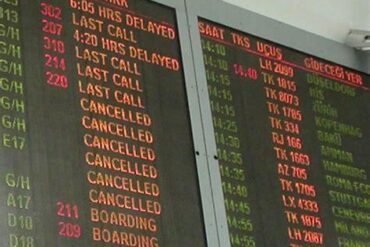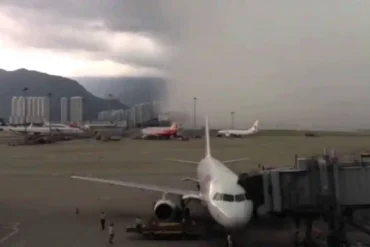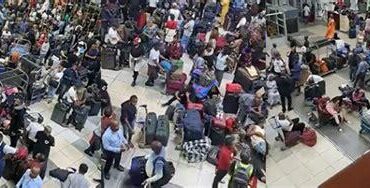
Brazil’s aviation system plunged into turmoil on Wednesday, June 25, 2025, as over 300 flights were canceled or delayed due to severe weather disruptions affecting key airports in São Paulo, Curitiba, Campinas, and Brasília. Torrential rain, intense thunderstorms, and dangerously low visibility forced carriers like American Airlines, LATAM, Azul, Emirates, TAP Air Portugal, Qatar Airways, and others to halt or postpone operations, severely impacting both domestic and international air traffic.
Torrential Storms Paralyze Brazil’s Largest Air Hubs
The most severe impact was observed at São Paulo–Guarulhos International Airport (GRU), Brazil’s busiest aviation gateway, where 158 total flight disruptions were recorded. LATAM Brasil experienced 87 delays and 6 cancellations, disrupting 20% of its scheduled operations. Azul Brazilian Airlines saw 9 delays and 2 cancellations, while Qatar Airways, Emirates, and South African Airways all reported significant percentages of delays relative to their schedules.
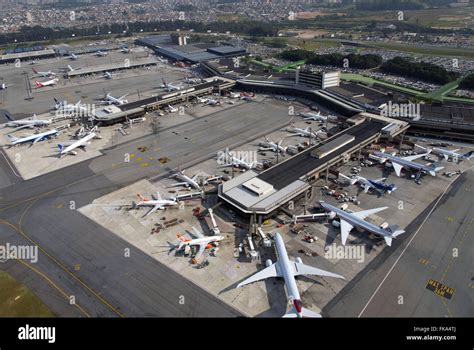
This wave of disruptions had a cascading effect across the country’s major airports:
- Curitiba’s Afonso Pena Airport (CWB) registered 34 flight disruptions, including 6 cancellations.
- Campinas’ Viracopos International Airport (VCP) witnessed 73 disruptions, heavily affecting Azul operations.
- Brasília’s Presidente Juscelino Kubitschek International Airport (BSB) logged 52 total disruptions, including 4 cancellations.
São Paulo–Guarulhos International Airport Hit Hardest
As the nerve center of Brazil’s air traffic, GRU was disproportionately affected, with thunderstorms striking during peak travel windows. LATAM Brasil experienced 6 cancellations and 87 delays, particularly in its international services, which include connections to North America, Europe, and Latin America. This chaos disrupted thousands of travelers and sent ground handling crews into crisis mode.
Azul Brazilian Airlines, headquartered in nearby Campinas, was also heavily impacted with 11 total disruptions, while GOL Linhas Aéreas reported 39 delays, affecting 20% of its operations. Notably, airlines such as KLM, Emirates, ITA Airways, JetSMART, Ethiopian Airlines, and TAP Air Portugal each experienced delay rates upwards of 50%, signaling an almost complete system-wide breakdown for some.
Storms Compromise Regional Connectivity in Curitiba
At Curitiba’s Afonso Pena International Airport, low cloud cover and rain caused significant regional flight interruptions. Azul Conecta, which operates smaller turboprop aircraft, was particularly hard-hit, canceling 2 of its 4 scheduled flights, marking a 50% cancellation rate.
LATAM Brasil had 2 cancellations and 8 delays, while GOL Linhas Aéreas recorded 7 delayed flights, affecting nearly a fifth of its local operations. Regional connectivity in the southern state of Paraná came to a near standstill as airport staff struggled to manage taxiways and runway throughput.
Heavy Rainfall Disrupts Traffic at Brasília’s Main Airport
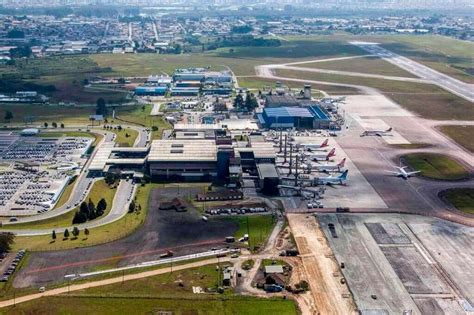
Presidente Juscelino Kubitschek International Airport (BSB) in Brasília encountered heavy downpours, leading to 48 delays and 4 flight cancellations. LATAM Brasil alone accounted for 3 cancellations and 24 delayed flights, underscoring the extent to which Brazil’s largest domestic airline was disrupted across the entire network.
Azul Brazilian Airlines registered 10 delays and one cancellation, while TAP Air Portugal delayed both of its scheduled flights—a 100% delay rate for its Brasília operations. Though no international flights were canceled from this airport, the delays severely impacted inbound and outbound connectivity.
Campinas’ Viracopos Airport Faces Operational Breakdown
Viracopos International Airport, a key cargo and secondary passenger hub in Campinas, experienced 67 delays and 6 cancellations. As the operational base for Azul Brazilian Airlines, the storm dealt a major blow to the airline’s logistics and scheduling.
Azul suffered 60 delays and 3 cancellations, a significant setback considering its dominant market share at the airport. Meanwhile, Azul Conecta, the regional subsidiary, canceled 3 of its 14 scheduled flights, a staggering 21% cancellation rate, and delayed 5 more.
EuroAtlantic Airways, operating a limited number of flights, encountered 100% delay rates, though it avoided cancellations. The situation was compounded by persistent low-lying clouds and visibility thresholds below minimums for several types of aircraft.
Airline-by-Airline Breakdown of Disruptions
The following airlines recorded operational issues across multiple hubs:
- LATAM Brasil: Most impacted overall, with cumulative delays and cancellations across all four major airports.
- Azul Brazilian Airlines: Second in disruption volume, with substantial issues in Campinas and Curitiba.
- GOL Linhas Aéreas Inteligentes: Delays across São Paulo, Curitiba, and Brasília, though no cancellations.
- Qatar Airways, Emirates, KLM, and South African Airways: Smaller schedule presence but high delay percentages, ranging from 33% to 100%.
- TAP Air Portugal: Affected in all airports it operated, with 50–100% delay rates.
- American Airlines: A single delay at São Paulo but no cancellations.
Smaller carriers like Azul Conecta and EuroAtlantic Airways were disproportionately affected due to their tight schedules and minimal fleet buffer.
Passengers Stranded, Airlines Scramble to Rebook
Tens of thousands of passengers were stranded at airport terminals, with long queues forming at ticketing desks as carriers attempted to rebook flights. Many travelers, particularly international passengers transiting through São Paulo and Campinas, reported missed connections, overnight stays, and rerouted itineraries.
Airlines invoked force majeure clauses, which meant most passengers were not eligible for compensation under standard delay rules. However, hospitality vouchers and limited lodging arrangements were offered by LATAM and Azul for passengers stranded overnight.
Brazil’s Fragile Weather Preparedness Exposed
This event highlights the growing vulnerability of Brazil’s aviation sector to extreme weather, particularly during the June–August winter storm cycle. Most airports in the country are not equipped with Category III Instrument Landing Systems (ILS), limiting operations during low-visibility scenarios.
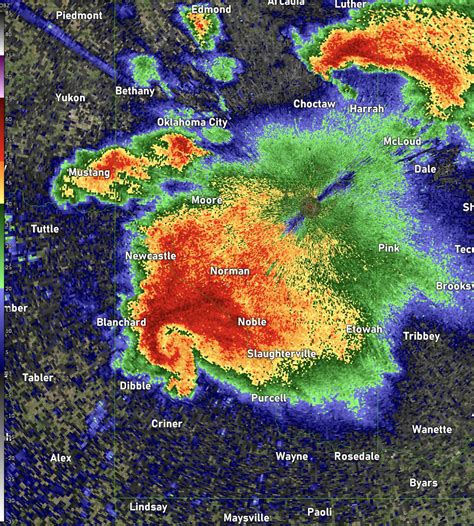
Meteorological data from the Brazilian National Institute of Meteorology (INMET) confirmed that a cold front moving in from the south triggered supercell thunderstorm development, affecting southeastern and central Brazil. Wind shear and ground fog further reduced safety margins for landings and takeoffs.
Airlines Urge Travelers to Monitor Flight Status
Authorities from Infraero, Brazil’s airport infrastructure agency, along with individual carriers, advised passengers to check real-time flight updates through airline apps or airport websites before departing for the airport.
Travelers are being encouraged to:
- Arrive at the airport at least three hours early for international flights
- Consider flexible travel dates for rebooking
- Monitor weather alerts from the National Civil Aviation Agency (ANAC)
Forecast: More Disruptions Likely
Meteorologists warn that unstable atmospheric conditions will persist across southern and central Brazil for the remainder of the week. The outlook includes further thunderstorms, strong winds, and localized flooding, particularly in urban regions surrounding São Paulo and Brasília.
Airlines are now entering contingency planning mode, with additional staff placed on call, and backup aircraft being repositioned to hubs less affected by weather. However, recovery could take several days, given the scale of the backlog and ongoing adverse forecasts.
Conclusion: A Wake-Up Call for Brazil’s Aviation Resilience
The June 25 disruptions serve as a critical reminder of the structural weaknesses in Brazil’s aviation ecosystem when faced with climate variability. With over 300 flight disruptions in less than 24 hours, the storm exposed glaring limitations in airport weather instrumentation, contingency planning, and fleet agility.
Airlines, regulatory bodies, and infrastructure authorities must urgently revisit their emergency preparedness frameworks. For travelers, the key takeaway is clear: Brazil’s skies are becoming increasingly volatile, and flexibility is no longer optional—it’s essential.