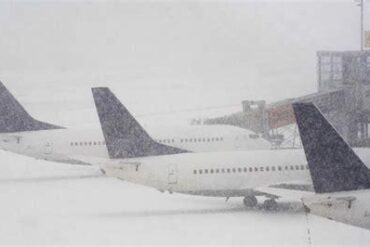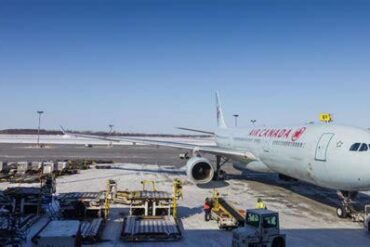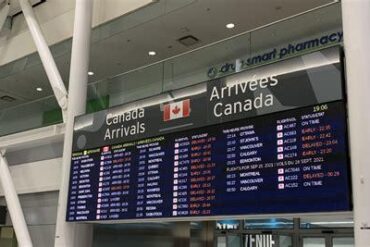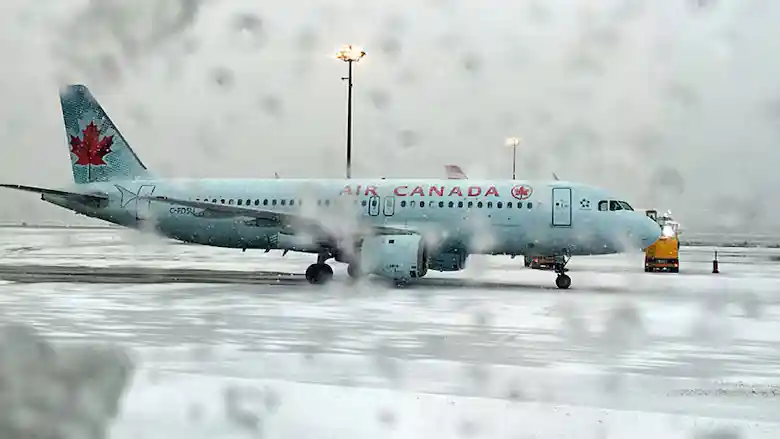
Canada is currently grappling with an unprecedented aviation crisis as a new wave of severe summer weather wreaks havoc across its busiest airports, including Toronto Pearson International Airport (YYZ), Vancouver International Airport (YVR), and Montreal-Trudeau International Airport (YUL). More than 300 flights have been either cancelled or delayed, paralyzing air traffic and stranding thousands of passengers as airlines including Air Canada, WestJet, United Airlines, Air India, KLM, and numerous others struggle to stabilize their operations amid the chaos.
Severe Summer Storm Wrecks Canada’s Peak Travel Season
This latest weather system, characterized by low visibility, gusty crosswinds, and slick runways, arrived during Canada’s peak summer travel season, inflicting widespread disruption precisely when airlines and airports were operating at near-capacity. Domestic and international operations alike have been compromised, with ripple effects stretching across North America and beyond.
Toronto Pearson International Airport: Epicenter of the Crisis
Toronto Pearson, Canada’s primary aviation hub, suffered the most severe impact. The airport logged 114 delayed flights and 19 outright cancellations within a single day. The operational breakdown extended across both domestic and U.S.-linked services, including:
- Air Canada: 49 delayed flights (15% of total daily operations) and 4 cancellations.
- Jazz Aviation: 18 delayed and 4 cancelled flights.
- Porter Airlines: 4 flights delayed and 4 cancelled.
- Republic Airways: 8% of its feeder flights cancelled.
International routes also bore the brunt:
- KLM: Cancelled 50% of scheduled services.
- British Airways, Cathay Pacific, Air India: Significant schedule disruptions.
- Pakistan International Airlines: Cancelled its sole scheduled flight.
Even prominent American airlines like Delta Air Lines, TAP Portugal, EVA Air, and American Airlines encountered sporadic disruptions, exacerbating Toronto Pearson’s operational collapse.
Vancouver International Airport: Coastal Operations Grind to a Halt
Although less impacted than Toronto, Vancouver International Airport (YVR) was not spared. Weather-induced unpredictability led to 62 delayed flights and 9 cancellations, particularly on transborder services:
- Air Canada: 16 delayed, 4 cancelled.
- WestJet: 7 delayed, 3 cancelled.
- Porter Airlines: 2 cancellations.
Secondary and regional carriers such as Alaska Airlines, British Airways, Hainan Airlines, Condor, and China Airlines reported over 50% disruption rates in their respective schedules.
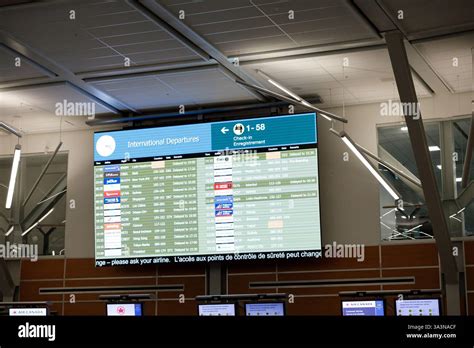
Operational stress was compounded by:
- American Airlines: 6 delayed departures, equaling 42% of its daily Vancouver operations.
- Regional carriers like Air North Charter, Central Mountain, and Pacific Coastal Airlines also experienced extensive schedule revisions.
Montreal-Trudeau International Airport: Quebec’s Air Link Severely Tested
Montreal-Trudeau International Airport (YUL) faced a similar operational strain, recording 100 delayed and 8 cancelled flights. U.S.-linked flights accounted for a substantial share of disruptions:
- Air Canada: 25 delays, 5 cancellations.
- Jazz Aviation: 31 delays, 3 cancellations.
- Air Transat: 8 delayed flights, amounting to a 16% disruption rate.
International players such as TAP Air Portugal and Tunis Air endured 50% schedule disruption rates, while global operators like United, Lufthansa, and Delta Air Lines reported additional, though less severe, delays.
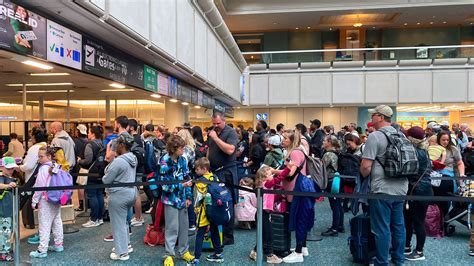
Regional operators—Air Inuit, PAL Airlines, and Air Creebec—struggled to maintain operations, creating bottlenecks that intensified overall airport congestion.
National Travel Gridlock: The High Cost of Weather Disruption
The timing of the storm proved particularly devastating. July’s peak tourist season meant flights were operating at full capacity and airports already strained from high passenger volumes. Even moderate delays led to cascading cancellations, missed connections, and widespread rebooking chaos.
Airports witnessed overwhelmed service counters, jam-packed taxi queues, and surging hotel bookings as thousands of travelers scrambled to reschedule their itineraries. Long-haul passengers, in particular, faced significant setbacks, as missed international connections left many dealing with visa expirations and transit window lapses, adding a bureaucratic layer to the physical chaos.
Communication Breakdown: Airlines Under Scrutiny
In the midst of the operational crisis, many airlines failed to meet passenger expectations regarding communication transparency. Travelers cited inconsistent flight updates, absent rebooking notices, and insufficient on-ground staffing as key pain points.
Airlines like Air Canada and WestJet were criticized for not deploying additional support staff, despite clear warnings about the incoming storm system. Meanwhile, social media platforms became flooded with frustrated reports from stranded passengers, highlighting perceived shortcomings in customer service response.
Airport authorities, however, reassured the public that efforts to restore normalcy were ongoing, with coordination between ground crews, traffic controllers, and airline operations units focused on minimizing further disruptions.
Weather Forecast: Lingering Threats Remain
While the worst of the weather has reportedly passed, forecasts suggest atmospheric instability will persist over the next 24 to 48 hours. High humidity levels, residual thunderstorms, and sporadic gusts continue to threaten operational integrity across central and eastern Canada.
Travelers are strongly advised to:
- Verify their flight status before departing for the airport.
- Use airline mobile apps for real-time notifications and rebooking assistance.
- Allocate extra time for airport check-ins and security procedures.
- Opt for flexible itineraries, particularly when connecting flights are involved.
Industry Analysis: Operational Resilience Under the Microscope
The ongoing disruption underscores a growing vulnerability within the aviation sector: how to maintain operational resilience amid increasingly erratic weather conditions. For airlines and airports, this latest incident serves as a stark reminder of the urgent need to:
- Invest in adaptive weather monitoring technologies.
- Enhance real-time customer communication platforms.
- Bolster contingency staffing models to absorb sudden operational shocks.
- Coordinate inter-airline contingency frameworks to better manage capacity sharing during crises.
As climate unpredictability intensifies, so too does the necessity for aviation stakeholders to rethink traditional models of air traffic management and passenger service delivery.
Conclusion: A Nation’s Airspace in Crisis
Canada’s latest wave of severe weather-induced flight disruptions marks a pivotal moment for its aviation sector. Over 300 flights cancelled or delayed across Toronto Pearson, Vancouver International, and Montreal-Trudeau highlight not only the immediate operational collapse but also the broader systemic vulnerabilities. Airlines from Air Canada to KLM are left grappling with service backlogs, stranded passengers, and logistical gridlock that could reverberate for days.
While meteorological forecasts predict gradual stabilization, the fallout from this incident will continue to challenge travelers and airlines alike. For now, Canada’s air travel ecosystem remains in crisis mode, seeking stability amid atmospheric uncertainty.