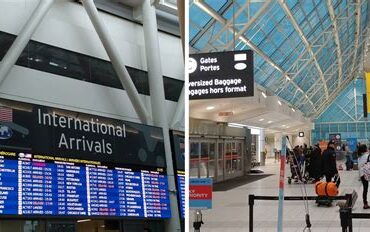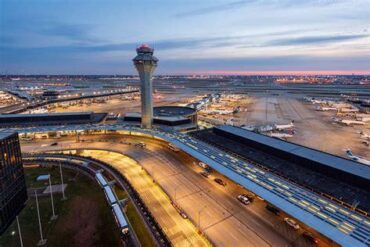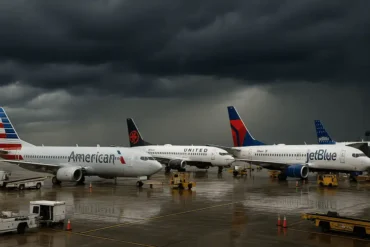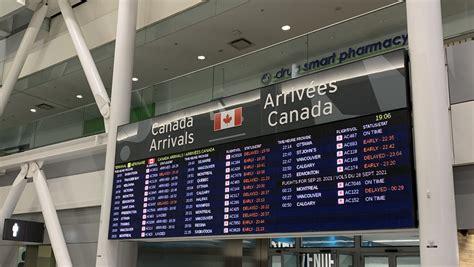
In a grim week for air travel in Canada, the country’s major airports have been rocked by an extraordinary wave of delays and cancellations. Over 430 new flight disruptions were recorded, severely affecting the nation’s air transport network and putting immense pressure on passengers, ground crews, and airlines alike. A total of 442 delays and 62 cancellations hit airports across the country, with major hubs like Toronto Pearson, Vancouver International, Montreal-Trudeau, and Calgary International bearing the brunt of the operational chaos.
Weather-Induced Havoc Grips Toronto Pearson
Canada’s largest and busiest airport, Toronto Pearson International Airport, suffered 15 cancellations and a staggering 125 delays as thunderstorms and heavy rainfall battered the Greater Toronto Area. Air traffic control was forced to reroute several inbound flights or keep them in holding patterns due to poor visibility and unsafe landing conditions. On the tarmac, departures were slowed or halted, while irate passengers endured extended waits in terminals.
Airlines including Porter Airlines, Jazz, and Air Canada were hardest hit. Porter alone saw over 40 flights disrupted. Passengers were repeatedly advised to monitor their flight statuses in real-time, as changing weather systems and logistical backlog compounded the unpredictability.
Fog and Drizzle Cause Gridlock at Vancouver International
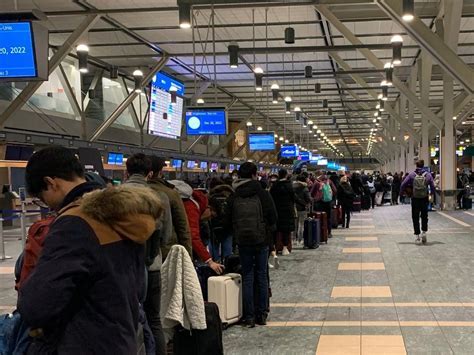
While not battered by severe storms, Vancouver International Airport (YVR) still logged 74 delays and 7 cancellations due to persistent fog and light rain. The low-visibility conditions impacted taxiing and takeoff operations, especially for international and trans-Pacific routes, leaving overseas travelers stranded or facing long delays.
Airlines such as Jazz, Porter Airlines, and Air Canada once again emerged as the most affected, with Porter Airlines experiencing the highest cancellation volume. Despite weather that seemed mild, the operational knock-on effect was far-reaching. Staff on the ground were under pressure to manage mounting passenger queues, delayed cargo, and rapidly shifting gate assignments.
Montreal Faces Severe Operational Backlogs
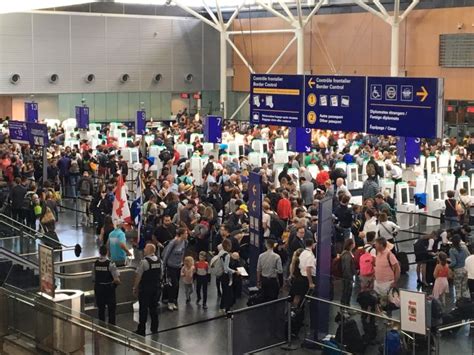
At Montréal–Trudeau International Airport, 71 delays and 17 cancellations were logged in a single day. The culprit: low cloud cover combined with intermittent rain showers, leading to visibility issues that slowed down both ground handling and approach procedures.
This disruption spanned across both domestic and international flights, with Air Canada, Porter Airlines, and Air Transat all suffering major service interruptions. Slow baggage handling and gate turnaround further exacerbated the situation, resulting in missed connections and widespread schedule slippage.
Calgary Hit by Thunderstorms and High Winds
At Calgary International Airport, there were 65 delays and 6 cancellations, primarily due to a combination of gusty winds and thunderstorms that hit the Alberta region. Ramp operations were temporarily halted during intense storm activity, slowing down aircraft preparation and refueling.
Passengers found themselves stuck for hours as flights by WestJet Encore and Porter Airlines were pushed back or canceled altogether. Airlines scrambled to find alternate slots and rebook passengers, many of whom were heading out for summer vacations or business travel.
Other Affected Airports Across the Nation
The disruptions were not confined to the nation’s largest hubs. Regional and secondary airports were also impacted as delayed inbound flights created a domino effect across the network:
- Ottawa Macdonald-Cartier International Airport reported 20 delays, mostly due to light rain and cloudy skies. No flights were canceled, but the delays affected mainly Porter Airlines and Air Canada.
- Edmonton International Airport saw 19 delays and 6 cancellations, though its local weather was clear. The issues were spillover effects from chaos at other hubs, affecting WestJet Encore and Porter Airlines the most.
- Winnipeg International Airport noted 19 delays caused by late arrivals from troubled airports. Air Canada and WestJet bore the brunt, though local airport operations remained relatively stable.

Halifax, Quebec City, Victoria Also Struggle to Cope
Moving east, Halifax Stanfield International Airport recorded 22 delays and 2 cancellations due to moderate rain and winds, affecting Porter Airlines and WestJet. Despite the conditions, the airport staff managed to maintain fairly efficient operations.
In Quebec City Jean Lesage International Airport, 9 delays and 1 cancellation occurred due to low clouds and light mist. PAL Airlines recorded the most service interruptions here.
Victoria International Airport had a relatively minor impact, with 10 delays due to light rain and wind, affecting Horizon and WestJet during taxi and takeoff.
St. John’s and Saskatoon Affected by Ripple Delays
St. John’s International Airport logged 4 delays and 2 cancellations, caused primarily by regional weather issues such as rain and wind. Air Canada Rouge reported the most cancellations.
At Saskatoon International Airport, there were also 4 delays and 2 cancellations, with delays mostly caused by disruptions from connecting flights. Jazz and WestJet Encore were the most affected carriers.
System-Wide Ripple Effect and Airline Struggles
The collective disruption—totaling 442 delays and 62 cancellations—exposed systemic weaknesses in how Canadian airlines and airports handle unpredictable weather scenarios. Airlines like Air Canada, WestJet, and Porter have faced mounting criticism for inadequate passenger communication, under-resourced rebooking desks, and slow baggage claims during peak delays.
Weather-related travel disruptions are not new, but what made this situation severe was its broad geographic impact and simultaneous strain on multiple air traffic hubs. With Canadian summer travel season in full swing, the increased passenger load has made recovery efforts slower than expected.
Future-Proofing Against Operational Vulnerabilities
This recent wave of disruptions has again underscored the urgent need for operational resilience. Canadian airports must enhance their weather forecasting integration, ground crew agility, and passenger communication systems. Airlines need to invest more in AI-driven scheduling tools, real-time notifications, and contingency staffing models that allow quicker response to cascading disruptions.
The government may also be called upon to implement regulatory oversight ensuring minimum passenger service standards during massive delay events. Currently, Canadian air passengers have limited recourse during such crises unless the delays fall under controllable circumstances, which weather does not.
Outlook for Summer Travel in Canada
As the country barrels deeper into peak summer travel, further weather-related interruptions are likely. Climate unpredictability has made it increasingly difficult to forecast safe windows for takeoffs and landings, especially in hubs near coastal regions and mountainous terrain.
Passengers are strongly advised to:
- Continuously monitor their flight status online or via airline apps
- Opt for early-morning flights, which are less prone to cascading delays
- Allow for extra buffer time between connecting flights
- Purchase comprehensive travel insurance for added protection
While the current situation is already straining the infrastructure, further surges in travel demand and adverse weather conditions could overwhelm existing systems. Traveler patience, operational flexibility, and robust crisis planning will all be key to mitigating future chaos.
Conclusion: A Wake-Up Call for Canada’s Aviation Ecosystem
The flight chaos unfolding across Canada is not just about bad luck with the weather. It reveals how fragile and overstretched the country’s aviation infrastructure can be when exposed to simultaneous stressors. While the likes of Toronto, Vancouver, and Montreal continue to serve as key international gateways, their resilience must now be fortified against both climate variability and increased travel demand.
Until then, Canadian air travelers must prepare for continued uncertainty—armed with flexibility, foresight, and real-time information—as they navigate a travel season fraught with turbulence beyond the skies.