On July 31, 2025, a critical radar failure within the UK’s air traffic control system triggered a cascading aviation crisis, paralyzing air travel across major British airports, including Heathrow, Gatwick, and Edinburgh. The incident, which began in the early hours, forced the National Air Traffic Services (NATS) to immediately halt all departures from several key hubs, affecting thousands of travelers and grounding hundreds of flights.
This catastrophic failure wasn’t limited to London’s aviation nerve centers. Manchester, Birmingham, Cardiff, and London City airports were also swept into the chaos, as the air traffic control glitch—later confirmed as radar-related—crippled the nation’s ability to safely manage airspace.
Impact on UK Airports: A Nationwide Aviation Freeze
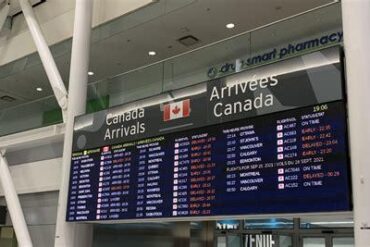
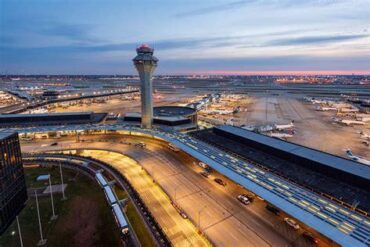
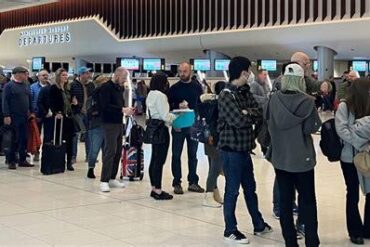
The grounding of aircraft from early morning disrupted both domestic and international routes. At Heathrow, the UK’s busiest airport, terminals filled with anxious travelers, while departure boards flashed a relentless stream of cancellations. Gatwick, a crucial gateway for budget carriers, and Edinburgh, Scotland’s key international airport, experienced similar chaos as incoming flights were rerouted and outbound services were indefinitely delayed.
Inside terminals, the situation grew increasingly tense. Airlines scrambled to allocate gates, and frustrated passengers, many of them mid-journey or connecting to long-haul destinations, sought answers from overwhelmed airport staff. Flight cancellation numbers soared past 100, with delays affecting hundreds more.
Ryanair Takes the Brunt: Budget Airline in Disarray
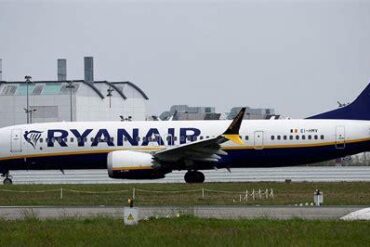
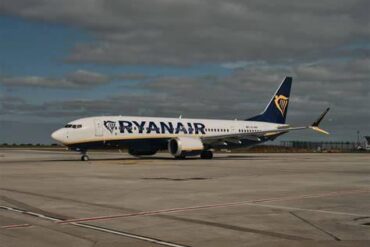
Among the hardest-hit carriers was Ryanair, Europe’s largest low-cost airline. The carrier’s tightly scheduled operations and heavy UK footprint left it vulnerable to system-wide breakdowns. According to airport sources, Ryanair’s delays extended beyond four hours in many cases, and several flights were outright canceled.
The airline’s CEO, Neal McMahon, issued a scathing public statement, condemning the “mismanagement” of the crisis by NATS and calling for the resignation of CEO Martin Rolfe. McMahon emphasized that with better contingency planning, the outage’s impact could have been mitigated. His comments underscore Ryanair’s long-standing tension with UK aviation regulators.
While Ryanair’s operations are designed for rapid aircraft turnarounds and tight margins, the ripple effects of a system-wide failure like this expose the fragility of such models. With its high volume of daily short-haul routes, even brief delays throw schedules into disarray, creating a domino effect across Europe.
Passengers Stranded, Frustrated, and Out of Options
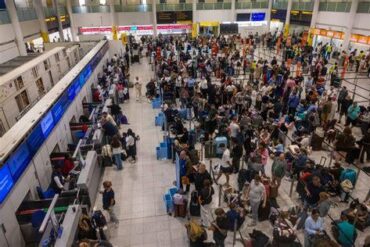
Airports quickly descended into confusion as communication breakdowns further exacerbated the disruption. Though airlines, including Ryanair, advised passengers to check flight statuses before heading to the airport, many had already arrived by the time announcements were made. Inside terminals, queues at information desks stretched for hours, and in some cases, there were no available hotel accommodations for stranded travelers.
Social media lit up with angry posts and images from crowded gates. Passengers voiced grievances over the lack of timely updates, missing baggage, and disrupted onward travel. The cumulative emotional and financial cost of the delay is expected to be in the tens of millions of pounds, with downstream effects on tourism and business travel.
Root Cause: A Vulnerable Radar Backbone
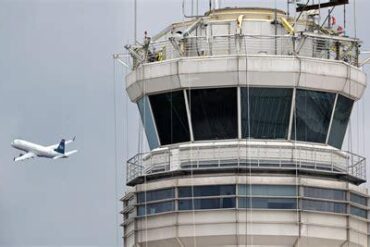
According to a NATS spokesperson, the failure originated in a core radar processing system responsible for synchronizing flight data across UK airspace. While backup systems were in place, they proved inadequate to fully stabilize operations during peak morning hours. The incident revealed a glaring technological vulnerability in the system’s design.
Although full services resumed later in the afternoon, the slow recovery process meant delays stretched well into the evening. Crews and aircraft were out of position, airport stands were congested, and support staff were overwhelmed. Several arriving international flights were held in airborne holding patterns or diverted altogether.
A Pattern Repeating: Echoes of the 2023 ATC Collapse
This is not the first time UK air traffic systems have experienced major failure. In August 2023, a similar breakdown caused mass delays, raising alarms about infrastructure redundancy and digital resilience. Yet little appears to have changed in the intervening two years. Analysts are now asking whether lessons from past failures were truly learned or merely acknowledged and shelved.
The 2025 incident once again shines a light on the UK’s dependence on a single-threaded radar architecture. Aviation analysts are calling for immediate investment in next-generation air traffic systems, including artificial intelligence-based routing, cloud redundancy frameworks, and autonomous system failovers. Without modernization, such disruptions may continue with increasing frequency and severity.
Fallout and Recovery: Not Just a One-Day Crisis
Though NATS eventually announced that air traffic capacity had returned to “normal levels”, the ripple effect was far from over. Airlines had to reposition aircraft and crew, rebook passengers, and absorb losses from canceled services. Meanwhile, passengers stranded at smaller regional airports faced a dearth of rebooking options, particularly with the summer travel season pushing most routes to near capacity.
Customer service lines for major airlines remained jammed into the night. Some travelers were rerouted through international hubs like Paris, Frankfurt, or Dublin, but for many, rebooking meant a wait of 24–48 hours. In some cases, refund policies became a point of contention, with travelers accusing airlines of slow compensation and vague messaging.
Industry-Wide Repercussions: Pressure on NATS and Government
The aviation industry has reacted with concern and, in some cases, outrage. Unions representing air traffic controllers have defended NATS’ frontline staff, placing blame instead on outdated systems and underinvestment. Airlines, meanwhile, are pressing regulators for urgent funding and clarity on when system upgrades will be implemented.
Ryanair’s aggressive response is likely to embolden other carriers to demand systemic changes. Aviation watchdogs in the UK Parliament have already called for an emergency review into NATS’ operating procedures and contingency planning protocols. Some have floated the idea of partial privatization or outsourcing certain technical aspects of radar management to third-party tech firms.
The Department for Transport (DfT) released a brief statement expressing “deep regret” over the inconvenience caused and promised to initiate a full review. However, critics argue that government action after the 2023 incident was similarly reactive and short-lived.
Long-Term Outlook: Can the UK Afford Another Breakdown?
The July 2025 radar failure is more than a momentary crisis—it’s a reflection of deeper structural vulnerabilities within UK aviation infrastructure. As passenger volumes surge in the post-pandemic rebound, maintaining continuity of operations is not just about avoiding inconvenience. It’s about protecting national economic flow, global competitiveness, and traveler trust.
While aviation remains one of the safest modes of transport, its complexity and interdependence make it uniquely susceptible to technical failures. Air traffic control, often operating behind the scenes, is now front and center in a debate about investment, modernization, and public accountability.
For Ryanair, this debacle will likely fuel its campaign for regulatory reform. For passengers, the experience will linger as a reminder that in today’s digitally-driven world, even a single radar glitch can turn a planned journey into an unpredictable ordeal.
Final Thoughts: Modernization or More Meltdowns?
If there is one takeaway from this incident, it’s that incremental patches and reactive damage control are no longer enough. The UK must prioritize a comprehensive overhaul of its air traffic systems, with contingency protocols and redundancies that match the growing demand of modern airspace.
In the words of one frustrated passenger at Edinburgh: “We’re flying through the 21st century with systems built in the 20th.” That sentiment now echoes across terminals, airlines, and policy circles. Whether it translates into meaningful change remains to be seen.