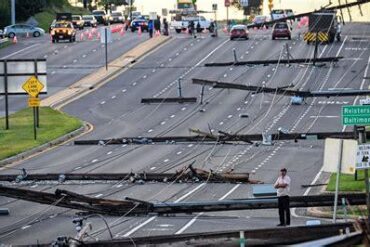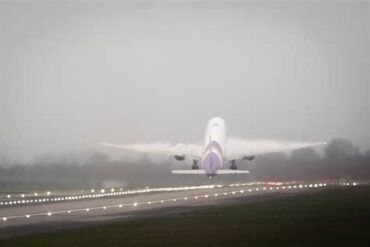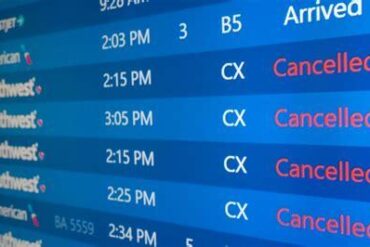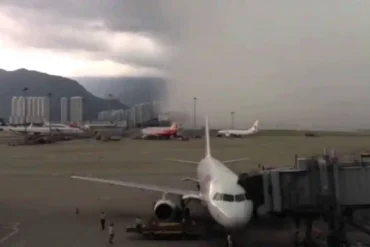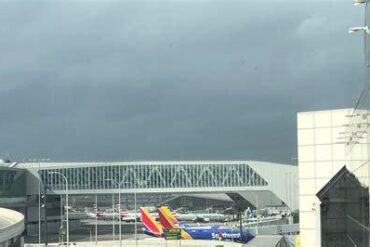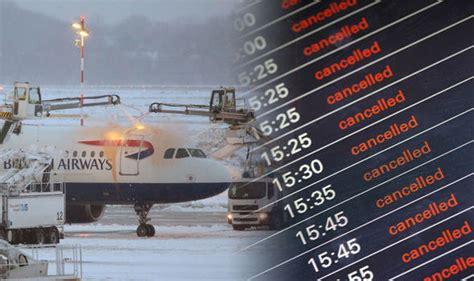
In a dramatic turn of events, severe thunderstorms, torrential rain, and flash flooding have wreaked havoc across major UK airports, leading to over 700 flight delays and cancellations on Thursday, July 17, 2025. Affected airports include London Gatwick, Heathrow, Stansted, and several regional airports, triggering widespread travel chaos for thousands of passengers.
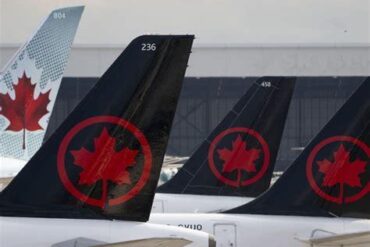
The disruption has affected some of the world’s most prominent carriers including Ryanair, easyJet, Finnair, WestJet, Air Canada, and Qantas. With storm activity expected to persist into the weekend, the full extent of the disruption is only beginning to unfold.
Gatwick Grounded: Operations Snarled at the UK’s Second Busiest Hub
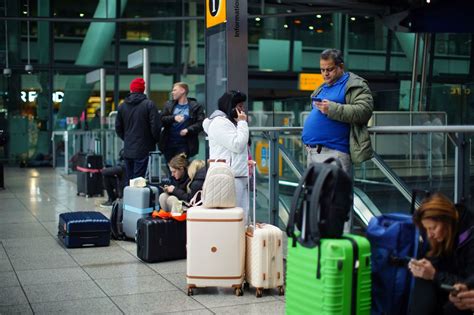
London Gatwick Airport, already strained by high summer travel volumes, was particularly hard-hit. 261 flights were delayed, and five were cancelled, significantly impacting low-cost carriers such as Ryanair and easyJet.
Passengers en route to Barcelona, Madrid, and Dublin have faced extended wait times. Ryanair, responsible for a substantial share of the delays, had over half of its daily schedule disrupted. easyJet similarly saw widespread delays, leaving passengers stranded in terminals with limited access to rebooking options. The domino effect is being felt nationwide, with Gatwick’s delays spilling over to connecting flights.
Heathrow Hit Hard: International Travel Crumbles Under Weather Pressure
At London Heathrow Airport, the situation is equally dire. With 239 delays and 13 cancellations, major long-haul routes have been crippled. British Airways, the dominant operator at Heathrow, has borne the brunt of disruptions, with 23% of its flights delayed.
Qantas reported severe delays on its routes to Sydney and Melbourne, while Air Canada struggled to maintain schedules for Toronto and Vancouver-bound services. Finnair, attempting to maintain operations to Helsinki, also faced complications. Long-haul flights, often tightly scheduled and reliant on narrow turnaround windows, were particularly susceptible to weather-induced delays.
Stansted Struggles: No Cancellations, But a Wave of Delays
Though London Stansted escaped outright cancellations, it was not spared the turmoil. 101 flights were delayed, with Ryanair accounting for nearly half. easyJet flights to Paris and Barcelona were also pushed back as airport logistics slowed to a crawl amid the downpour.
The lack of cancellations offered little comfort to travelers, many of whom missed connecting flights and found limited availability for alternative bookings. The airport’s staff have worked tirelessly to manage rebookings and gate changes, but continued adverse weather means the backlog is likely to persist.
Regional Airports Not Immune
While the bulk of the disruption is centered on London’s key hubs, regional airports are feeling the squeeze. Aberdeen reported 17 delays, and Edinburgh tallied 88 delays and three cancellations. Although these numbers may seem small by comparison, the limited flight volume and fewer rebooking options at these airports have led to serious challenges for stranded passengers.
Breakdown by Airline: Who Was Hit the Hardest
Among the hardest-hit airlines:
- Ryanair: 121 delays (29%), no cancellations
- easyJet: 121 delays (29%), no cancellations
- British Airways: 162 delays (23%), 12 cancellations
- Air Canada: 22 delays (38%)
- Qantas: 4 delays (25%)
- WestJet: 7 delays (26%)
- Finnair: 8 delays (9%)
Other international carriers like Lufthansa, Turkish Airlines, and TAP Air Portugal also saw scattered delays, mostly due to delayed inbound flights and ground-handling delays caused by electrical storms.
The Meteorological Mayhem: Why This Storm Was So Disruptive
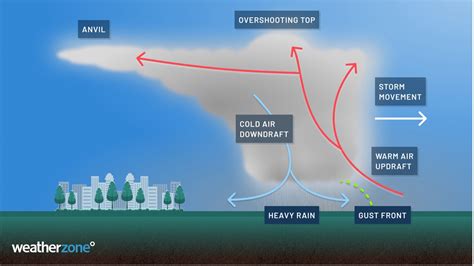
The UK Met Office had earlier issued yellow weather warnings across much of England, predicting travel chaos, lightning activity, and flooding. A key factor in the severity of the flooding is the dry spell that preceded the storms. After weeks without significant rainfall, the ground had hardened, making it unable to absorb sudden deluges.
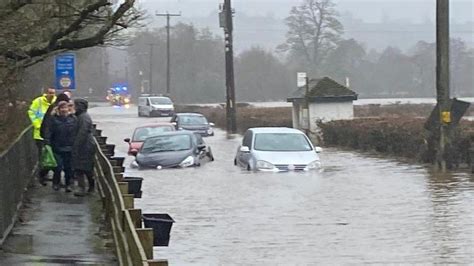
This led to flash floods across airport runways, access roads, and apron areas, directly disrupting aircraft refueling, catering services, and baggage handling. Lightning strikes also triggered ground stop orders, further amplifying delays.
The Human Toll: Stranded Passengers, Missed Events, and Financial Stress
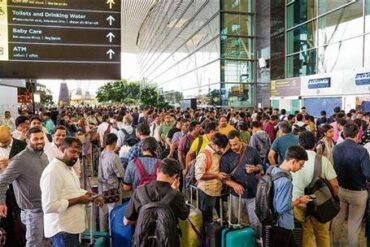
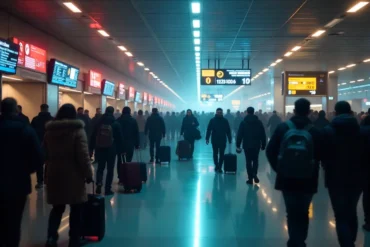
Thousands of passengers have been stranded in airport lounges, queues for customer service, and overcrowded terminals. For many, missed weddings, funerals, business conferences, and once-in-a-lifetime holidays are the real cost of today’s delays.
While airlines are providing meal vouchers, overnight accommodation, and alternative flights, availability is stretched thin. In some cases, passengers have reported waiting over 12 hours to receive basic assistance.
Social media has been flooded with images and video clips showing passengers sleeping on terminal floors, arguing with airline staff, and expressing frustration at a lack of clear communication.
Forecast: More Turbulence Ahead
Though meteorologists expect the storm system to weaken over the weekend, the backlog created by today’s events is not likely to clear quickly. Airlines are working through thousands of rebookings, aircraft are out of position, and crew scheduling is a logistical nightmare.
For those planning to fly within the next 48–72 hours, experts advise:
- Checking flight status frequently
- Arriving early to allow time for long queues
- Packing essentials in hand luggage, in case of overnight delays
- Keeping all booking and insurance documents handy
With over 700 delays and 21 cancellations confirmed today alone, and more expected, this week could prove one of the worst for UK air travel in recent memory.
The Bigger Picture: What This Means for the Industry
Today’s disruption underscores the fragility of airline operations in the face of severe weather. Despite sophisticated forecasting and technology, the combination of high passenger volumes, tight scheduling, and limited flexibility leaves even top-tier airlines vulnerable to rapid cascading failures.
This event may once again prompt discussions about:
- Infrastructure upgrades for better stormwater management at airports
- More resilient scheduling and fleet flexibility
- Improved passenger rights and response systems
UK aviation authorities and airline executives will need to conduct a thorough post-mortem on today’s failures to ensure better preparedness in the future. With climate change driving more unpredictable and extreme weather patterns, the industry’s resilience will be tested again.
Final Word: Navigating the Days Ahead
If you’re flying soon, maintain close contact with your airline and keep an eye on airport travel advisories. The combination of weather, logistics, and high summer traffic means the path to normalcy may take several days.
For those affected today, the disruption has been nothing short of a nightmare—but with cooperation, communication, and rapid adaptation, the worst of the chaos can be overcome.