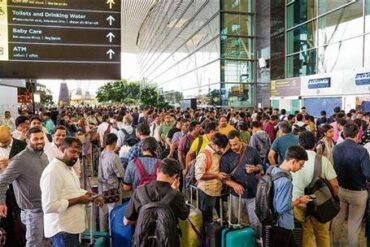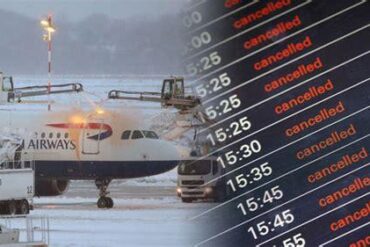
Canada’s aviation sector plunged into widespread disruption on Thursday, June 27, 2025, as over 270 flights were either delayed or cancelled, sending shockwaves through major airports including Vancouver, Calgary, Montreal, and Halifax. The cascading travel chaos left thousands of passengers stranded, with airlines such as Air Canada, WestJet, Jazz Aviation, Porter Airlines, Air France, Lufthansa, Alaska Airlines, American Airlines, United, British Airways, All Nippon Airways, Cathay Pacific, and dozens more battling to stabilize operations amid fierce weather conditions.
Severe Weather Grounds Aircraft and Upends Schedules
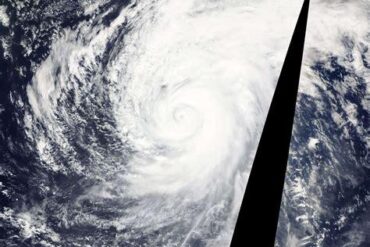
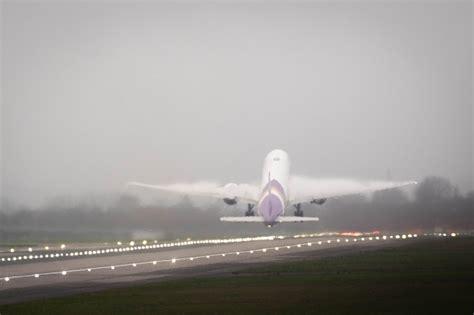
The latest wave of disruptions was triggered by a volatile weather system sweeping across central and eastern Canada, delivering torrential rain, gusty crosswinds, and low visibility conditions. Runways became slick, ramp operations slowed to a crawl, and aircraft were grounded as aviation authorities prioritized safety over schedules.
Vancouver International Airport (YVR), Calgary International Airport (YYC), Montreal-Trudeau International Airport (YUL), and Halifax Stanfield International Airport (YHZ) bore the brunt of the impact, with hundreds of flights affected across domestic, transborder, and intercontinental routes.
Airlines struggled to reroute aircraft, rotate crews, and communicate with increasingly frustrated travelers as operations buckled under the pressure of weather-induced gridlock. For passengers, especially those traveling during Canada’s peak summer season, the timing could not have been worse.
Vancouver Hit Hard as Rain Disrupts Schedules
At Vancouver International Airport, 73 flights were delayed while 5 were outright cancelled. The heavy rainfall wreaked havoc on ground handling and boarding operations. Air Canada, WestJet, and Jazz Aviation faced significant operational headaches, while international heavyweights including Air India, All Nippon Airways (ANA), Cathay Pacific, Air France, British Airways, and Lufthansa were not spared.
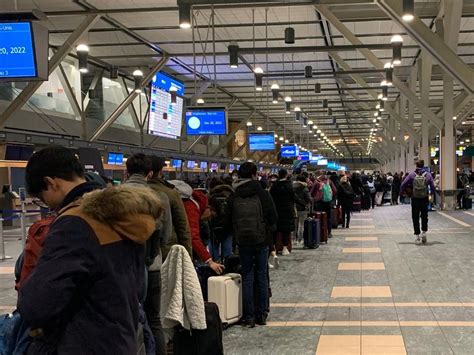
Passengers reported being stuck on aircraft for extended periods or stranded in terminal waiting areas as flight boards lit up with “Delayed” notices. Despite Vancouver’s global connectivity and infrastructure, even flagship international flights faced cascading delays as crews and aircraft struggled to remain on schedule.
Calgary Airport Becomes Epicenter of Disruption
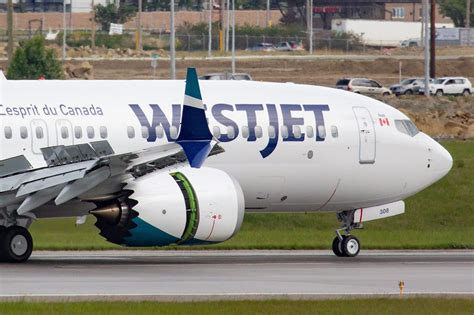
In Calgary, the situation deteriorated further, with 79 flight delays and 9 cancellations, the highest of any Canadian airport during the disruption. The fierce winds and unrelenting rain hammered airport operations, placing WestJet—Calgary’s hometown airline—under enormous strain.
WestJet and its regional affiliate WestJet Encore absorbed most of the fallout, with 46 flights delayed and 9 cancellations for WestJet, while Encore saw 16 delays. Smaller regional players like Central Mountain Air and Discover Airlines also reported delays as high winds prevented aircraft repositioning and boarding procedures.
Travelers in Calgary described chaotic scenes, with overburdened check-in counters, long queues at customer service desks, and limited accommodation options for stranded passengers.
Montreal Bears the Weight of East Coast Weather Chaos
Montreal-Trudeau International Airport faced significant disruptions with 76 delays and 11 cancellations, as relentless rain and swirling winds gripped the area. Air Canada Rouge, Jazz Aviation, and Porter Airlines saw the most severe schedule disruptions, while major transatlantic carriers like KLM, Air France, and Lufthansa were forced to cancel key connections amid mounting safety concerns.
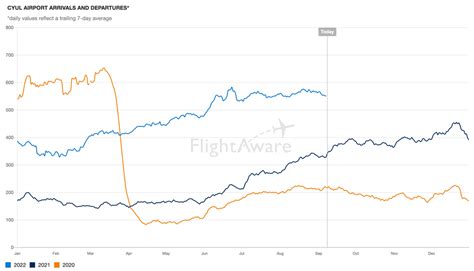
Passengers connecting to European destinations or traveling domestically through Montreal faced hours-long delays. With apron operations slowed by the adverse weather, aircraft turnaround times lengthened, affecting both incoming and departing flights.
Other carriers such as PAL Airlines, PSA Airlines, Republic Airways, and Air Transat also struggled to maintain schedules, with some flights delayed by over 90 minutes.
Halifax Faces East Coast Headaches
The storm system did not spare Halifax Stanfield International Airport, where 19 flights were delayed and 5 were cancelled, primarily due to low visibility and persistent rain showers. Porter Airlines and Air Canada Rouge saw the majority of affected services, particularly on regional routes to Toronto and Ottawa.
International carriers, including American Airlines, All Nippon Airways, and British Airways, also faced ripple effects, albeit to a lesser extent. Passengers arriving or departing Halifax encountered significant uncertainty as airlines juggled weather safety protocols with growing backlogs.
Airlines Across the Spectrum Impacted
The breadth of the disruption underscored the vulnerability of even the most robust airline networks to severe weather. Among the carriers reporting delays and cancellations were:
- Air Canada and its regional divisions Jazz and Rouge
- WestJet and WestJet Encore
- Air France, Lufthansa, British Airways, KLM, and All Nippon Airways
- North American carriers including United, American Airlines, Alaska Airlines, and JetBlue
- Asia-Pacific players such as Cathay Pacific, Air China, Philippine Airlines, and Korean Air
- Regional operators like Porter Airlines, PAL Airlines, Flair Airlines, Republic Airways, and SkyWest
The wide-ranging list highlights how the disruption cascaded through the aviation ecosystem, from long-haul international flights to short regional hops, leaving no segment unaffected.
Passengers Stranded Nationwide
With operations crippled, many travelers found themselves stuck at gates, inside aircraft, or scrambling to rebook itineraries. Summer vacationers, business travelers, and connecting international passengers alike were swept into the chaos.
Reports from Montreal and Calgary indicate that some flights were delayed by over three hours, with many passengers lacking timely updates. Crew shortages and aircraft positioning challenges compounded the issues as airlines struggled to restore normal schedules amid slippery ramps, slow baggage handling, and backed-up check-in lines.
The disruption exposed the fragility of Canada’s air travel network, especially during the busy summer peak, where even isolated weather events can rapidly spiral into nationwide logistical gridlock.
More Weather Turbulence on the Horizon
Meteorologists warn that this may only be the beginning. Unstable atmospheric conditions are forecast to linger, particularly across western provinces like British Columbia and Alberta, raising fears of further delays and cancellations in the days ahead.
Airlines are urging passengers to:
- Check flight status frequently via official apps or websites
- Sign up for text or email alerts to stay informed
- Arrive at airports earlier to accommodate potential queues
- Rebook flights proactively if delays appear imminent
Air Canada, WestJet, and Porter Airlines have mobilized additional customer service teams, while airport authorities continue to monitor conditions closely.
Canada’s Summer Travel Faces Uncertain Skies
The timing of this disruption could hardly be worse for Canada’s aviation sector. With summer travel volumes surging toward pre-pandemic highs, airport systems are already stretched, making them vulnerable to cascading operational failures triggered by adverse weather.
For travelers, patience and preparation will be key as airlines navigate the complex recovery process. As skies remain unsettled, the Canadian travel experience faces turbulent days ahead, with both airlines and passengers hoping for a swift return to calmer conditions.
Canada’s latest travel chaos serves as a stark reminder of how unpredictable weather can destabilize even the most meticulously planned operations, particularly during the peak of summer travel when the stakes—and frustrations—run high.