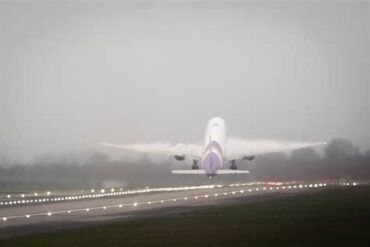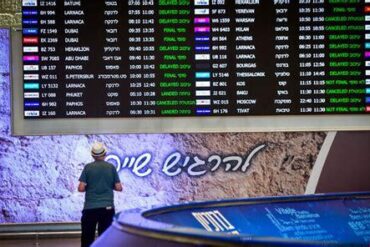
Canada’s aviation network plunged into chaos on July 2, 2025, as more than 500 flights were delayed or cancelled across major airports, from Toronto Pearson to Vancouver, Montreal, Calgary, and beyond. Despite the absence of extreme storms, a combination of light rain, low cloud ceilings, gusty winds, and reduced visibility was enough to overwhelm flight operations, sending ripple effects across the country. Airlines such as Air Canada, WestJet, Jazz, and Porter Airlines were hit hardest, forcing a cascade of last-minute rebookings, extended wait times, and frustrated passengers stuck in terminals.
Toronto Pearson International: Canada’s Busiest Hub Buckles Under Pressure
At the heart of the crisis stood Toronto Pearson International Airport (YYZ), the busiest in the country and often the first to feel pressure during system-wide disruptions. On Wednesday alone, 147 delays and 43 cancellations were recorded, affecting a multitude of airlines. Air Canada, the country’s flagship carrier, posted 50 delays and 4 cancellations, while regional operator Jazz Aviation saw 12 delays and 16 cancellations.
Though the city wasn’t under any weather warning, persistent drizzle, moderate winds, and low-visibility conditions played havoc with aircraft movements, particularly those involving international routes. Carriers like British Airways, Etihad, Delta, EVA Air, and even Pakistan International Airlines each experienced isolated delays, underscoring how global connectivity suffers from local instability.
Vancouver International Airport: Mild Weather, Moderate Disruptions
While Vancouver International Airport (YVR) escaped widespread cancellations, it still suffered 76 delays and 3 cancellations, affecting both domestic and international services. Air Canada and Jazz again made up the bulk of these disruptions. Regional flights were especially impacted, with WestJet Encore, Porter Airlines, and Flair Airlines all facing slowdowns.
What made the situation unique in Vancouver was that the weather barely registered as threatening — light rain and winds were sufficient to cause delays. The real issue was cumulative congestion, with aircraft waiting for takeoff slots and ground crew coordination lagging due to wet conditions.
Montreal-Trudeau International: A Bottleneck of Delays and International Spillover
In Montreal, 88 delays and 21 cancellations brought operations to a crawl at Trudeau International Airport (YUL). Air Canada and Jazz, operating many transatlantic and interprovincial flights, saw combined delays exceeding 45 flights, with regional and cross-border operators like Piedmont and Republic facing above-average cancellation rates.
High-altitude wind shear and reduced visibility on approach added layers of complexity for pilots and air traffic controllers. Flights heading to destinations such as New York, Chicago, and London Heathrow were delayed as holding patterns were extended and arrival slots re-shuffled.
Calgary International: WestJet Struggles Amid Climbing Delays
Despite relatively calm weather, Calgary International Airport (YYC) experienced 72 delays and 5 cancellations, primarily due to operational backlog and poor air-side coordination. WestJet and its regional partner WestJet Encore suffered the most, with over 56 flight delays combined.
Air Canada, although secondary in market share here, still experienced disruptions, tallying 6 delays and 3 cancellations. Calgary’s unique geographic position — serving both western and central connections — meant the domino effect from other cities like Toronto and Vancouver quickly backed up the local schedule.
Edmonton, Ottawa, and Winnipeg: Minor but Noticeable Disruptions
In Edmonton International Airport (YEG), 37 delays were recorded without any cancellations. WestJet Encore alone accounted for 17 of those delays, highlighting how even mild congestion at hub airports can cause regional ripple effects.
Meanwhile, Ottawa Macdonald-Cartier International Airport (YOW) saw 28 delays and 4 cancellations, with Porter Airlines, Jazz, and Republic contributing to the slowdowns. Although smaller in scale, Ottawa’s 25% cancellation rate for Republic services raised questions about fleet reliability and weather-readiness for certain operators.
Winnipeg International Airport (YWG) was the least affected, logging just 10 delays. Light rain and wind were not enough to cause major operational challenges, and no cancellations were reported.
Halifax and Quebec City: Regional Airports Show Resilience
In Eastern Canada, Halifax Stanfield International Airport (YHZ) and Quebec City Jean Lesage International (YQB) experienced minimal disruption, with 22 and 16 delays respectively. No cancellations occurred at Halifax, and only 2 in Quebec. However, regional carriers like Air Inuit, Republic, and PAL Airlines struggled with on-time performance, hinting at localized inefficiencies rather than weather-related paralysis.

Behind the Chaos: Moderate Weather With Major Consequences
What made this wave of disruptions especially frustrating for travelers and aviation experts alike was that the weather never turned dangerous. There were no thunderstorms, no blizzards, and no heavy winds exceeding safe limits. Instead, the perfect storm of minor meteorological irritants — drizzle, fog, moderate crosswinds — acted as slow, compounding stressors on an already stretched aviation system.
At Toronto, inbound international arrivals were held in airspace longer due to visibility issues. At Vancouver, taxi times stretched to double their usual length due to wet apron conditions. In Montreal, gusty winds meant that pilots had to request additional approach clearances or change runways mid-descent, further congesting ATC channels.
Additionally, many airlines were operating near peak summer capacity, leaving little slack for error. Aircraft crews hit duty-time limits, spare parts inventories were thin, and alternative aircraft were already committed to other routes. These structural shortcomings turned what should have been minor slowdowns into system-wide failures.
Passenger Impact: Missed Connections, Long Waits, and Frustration
The real victims of the July 2 meltdown were, of course, the passengers. Travelers reported being stranded for hours with little communication from ground staff. Flight status boards constantly shuffled departure times. For international travelers, missed connections in Toronto and Montreal forced rebookings that pushed arrivals into the next day.
Airlines like Air Canada and WestJet rolled out flexible change policies, waiving rebooking fees for many affected routes. However, some low-cost carriers did not offer the same leniency, causing further dissatisfaction. Social media was flooded with videos of crowded terminals, sleeping passengers, and rebooking queues snaking through terminals.

Operational Breakdown: A System Strained to the Limit
Experts note that the Canadian aviation sector is increasingly vulnerable to interlinked operational weaknesses. Unlike large-scale weather events, where operations are pre-emptively halted and recovery plans activated, these moderate disruptions often result in a slow-boil effect — delays pile up, crews go out of hours, aircraft fall out of sync, and recovery takes days, not hours.
Several analysts have pointed to the lack of redundancy in airline scheduling, particularly among regional affiliates like Jazz, Republic, and Endeavor Air, where fleet utilization rates are extremely high. This means one grounded aircraft can delay an entire day’s worth of flights.
Industry Response: A Call for Better Preparedness
In response to the travel chaos, Transport Canada and NAV CANADA issued statements acknowledging the delays but stopped short of issuing an investigation. Airline trade groups have pushed for improved weather modeling, more dynamic crew allocation, and greater investment in apron and gate infrastructure to absorb mild-weather impacts more efficiently.
Airlines are also reviewing their hub operations, especially in Toronto and Montreal, which are prone to bottlenecks. Summer 2025 was projected to be a record season for Canadian air travel, but with this breakdown, carriers now face increased scrutiny from regulators and passengers alike.
Final Thoughts: A Wake-Up Call for Canadian Aviation
The events of July 2, 2025, serve as a stark reminder that weather doesn’t have to be extreme to be disruptive. As Canada’s aviation network struggles under the weight of routine inefficiencies, the smallest deviations in weather or scheduling can spiral into national disruptions.
For now, airlines are racing to restore schedules, rebook passengers, and clear backlog. But until more robust contingency planning and better system resilience are built in, Canadian travelers may find themselves grounded even when skies appear clear.