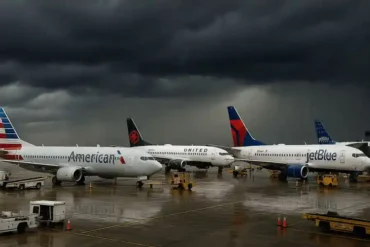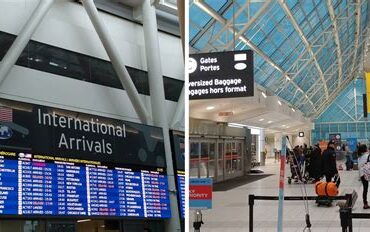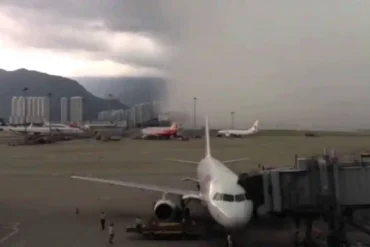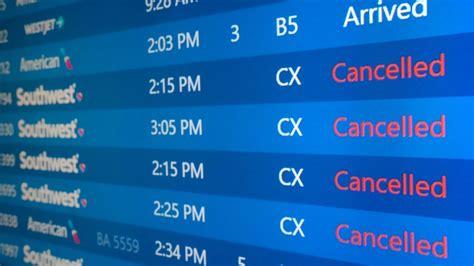
A sweeping wave of weather-induced flight cancellations has struck Canada’s major airports, causing travel chaos for thousands and severely disrupting national air operations. With over eighty cancellations and hundreds of delays, the storm’s ripple effects have crippled both domestic and international flight schedules across Air Canada, WestJet, Porter Airlines, and several international carriers.
Severe Weather Disruptions Paralyze Canadian Airports
Canada’s air travel infrastructure is facing an acute operational crisis as heavy rain, thunderstorms, fog, and gusty winds batter the country from coast to coast. At the heart of the turmoil are the nation’s busiest airports, including Toronto Pearson International (YYZ), Vancouver International (YVR), Montréal-Trudeau (YUL), and Calgary International (YYC). These hubs form the central spine of Canada’s aviation ecosystem and are now grappling with unprecedented weather conditions.
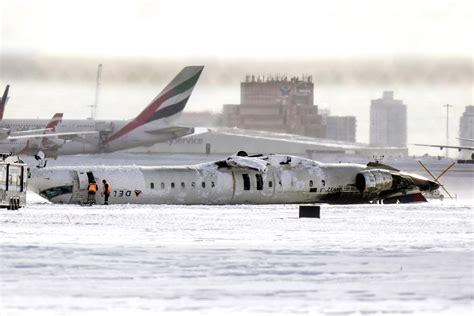
On Tuesday, July 8, 2025, the worst-hit airport was Toronto Pearson, reporting an alarming 291 delays and 17 flight cancellations. The combination of persistent thunderstorms and low visibility resulted in widespread holding patterns, rerouted aircraft, and long queues both in the sky and on the tarmac. Airlines such as Porter Airlines, WestJet, and Air Canada Rouge bore the brunt, with Porter alone accounting for 10 cancellations and 28 delays at this single hub.
Airport-by-Airport Breakdown: Chaos in the Skies
The storm’s reach was far and wide. In Vancouver, passengers faced 77 delays and 6 cancellations, with fog and rain slowing operations. Although less severe than Toronto’s situation, long taxi times and reduced visibility caused issues particularly for international and intercontinental flights.
Montréal saw 150 delays and 10 cancellations, mainly due to low clouds and intermittent rain showers. Flights struggled with runway visibility and aircraft movements slowed across the board. Jazz and Porter Airlines were among the most affected.
In Calgary, gusty winds and rain delivered 102 delays and 2 cancellations, briefly halting ground activity during thunderstorm surges. Yet the airport recovered more swiftly compared to others thanks to efficient ground operations.
Smaller but still critical nodes in the network, like Ottawa (YOW), Edmonton (YEG), Halifax (YHZ), and Winnipeg (YWG), experienced mixed impacts:
- Ottawa: 56 delays, 4 cancellations – primarily from external weather systems.
- Edmonton: 13 delays, 2 cancellations – limited local weather issues but affected by upstream disruptions.
- Winnipeg: 17 delays, 6 cancellations – mostly from delayed arrivals from impacted regions.
- Halifax: 17 delays, 1 cancellation – caused by steady rain and moderate winds.
Airlines Most Affected: Porter Airlines and WestJet Under Pressure
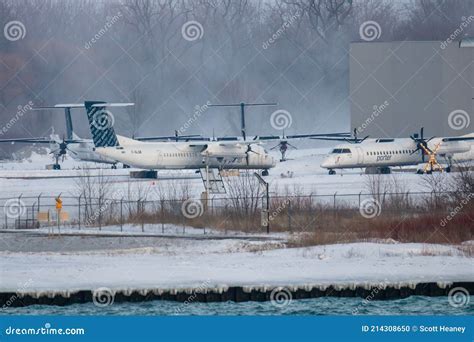
Among the airlines facing operational meltdowns, Porter Airlines emerged as one of the worst-hit carriers, with notable cancellations in Toronto Pearson, Ottawa, and Toronto City Centre (YTZ). With a smaller but dense network, the impact of a few cancelled flights quickly created knock-on effects for connected segments.
WestJet and its regional arm WestJet Encore saw dozens of delays across major cities including Calgary, Vancouver, and Winnipeg. Air Canada and Air Canada Rouge also reported high numbers of delays but fewer cancellations, reflecting a strategy of schedule adjustments rather than outright cuts.
International Ripple Effects: London Heathrow Takes a Hit
The weather disruptions weren’t limited to Canada. London Heathrow (LHR), a major international gateway for Canadian flights, reported 442 delays and 17 cancellations, primarily due to heavy storms and poor visibility. Transatlantic operations were among the hardest hit, further compounding delays at Canadian airports expecting inbound aircraft from Europe.
A Glimpse into Airline Delay Metrics
Toronto Pearson (YYZ):
- Porter Airlines: 10 cancellations, 28 delays
- WestJet: 4 cancellations, 33 delays
- Air Canada: 1 cancellation, 74 delays
- Air Canada Rouge: 2 cancellations, 25 delays
Vancouver (YVR):
- Air Canada: 2 cancellations, 18 delays
- WestJet Encore: 1 cancellation, 8 delays
- Porter Airlines: 2 cancellations, 2 delays
Montréal-Trudeau (YUL):
- Jazz: 3 cancellations, 35 delays
- Porter Airlines: 4 cancellations, 7 delays
Calgary (YYC):
- WestJet: 55 delays
- WestJet Encore: 26 delays
- Air Canada: 8 delays
Toronto City Centre (YTZ):
- Porter Airlines: 9 cancellations, 16 delays
- Jazz: 2 cancellations, 6 delays
These figures illustrate how dependent Canada’s air traffic system is on a narrow set of airports and carriers. Any disruption in the top three hubs can paralyze the network nationally.
How Canadian Airports Are Coping with the Disruption
Despite the adverse conditions, Canadian airport authorities worked diligently to contain the crisis. Ground crews at major airports were mobilized for faster aircraft turnaround, and runway lighting systems and air traffic control protocols were adapted for low visibility operations. Airports like Calgary and Edmonton demonstrated rapid recovery capabilities, highlighting the benefit of having contingency frameworks for summer weather turbulence.
Airlines issued travel advisories, rebooking policies were temporarily loosened, and many offered fee waivers for impacted passengers. However, as delays stacked up, terminal congestion became an increasing issue, especially at Toronto Pearson where passenger queuing, baggage handling, and gate availability strained capacity.
Traveler Tips: Navigating the Uncertainty
For travelers planning to fly into or out of Canada this week, vigilance is critical. The situation, though stabilizing, remains fluid with volatile weather forecasts continuing through the week. Here are key recommendations for minimizing disruption:
- Check flight status regularly on official airline and airport websites.
- Enable real-time notifications through mobile apps.
- Arrive early at airports to navigate unexpected queues.
- Prepare for rebooking: Know your airline’s delay/cancellation policy.
- Consider travel insurance that covers weather-related disruptions.
Looking Ahead: Is This the New Normal for Canadian Aviation?
This multi-airport disruption event underlines a larger truth: Canada’s aviation system is increasingly vulnerable to climate-related volatility. As thunderstorms, fog banks, and extreme rainfall events grow more frequent, both airlines and airport operators are being pushed to re-evaluate weather preparedness strategies.
The summer travel surge, already underway, means any additional disruption could create cascading system failures. That raises serious questions about whether current scheduling, infrastructure capacity, and staffing levels are resilient enough.
The Canadian government, alongside Transport Canada and Nav Canada, may need to invest in enhanced forecasting tools, expanded runway infrastructure, and more flexible airspace management. If not, these kinds of mass cancellations and flight delays may become an expected, rather than exceptional, part of the country’s travel ecosystem.
Conclusion: Be Alert, Stay Flexible
From Toronto to Vancouver and all the hubs in between, Canada’s airline passengers are witnessing just how fragile flight schedules can be when weather takes a turn for the worse. With more than 80 flights canceled and hundreds delayed, this week’s disruption is a stark reminder that real-time awareness and preparation are the traveler’s best tools.
As the skies slowly clear, operations are expected to normalize—but the events of July 8 will remain a blueprint for how quickly weather can unravel the best-laid travel plans. Airlines and airports alike now face an urgent need to fortify their systems for what promises to be a turbulent future in more ways than one.