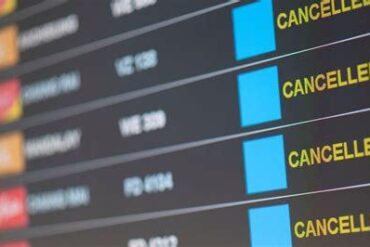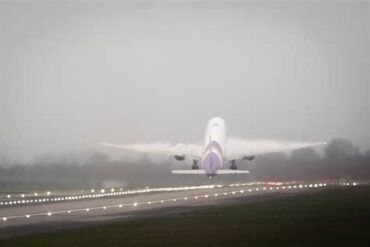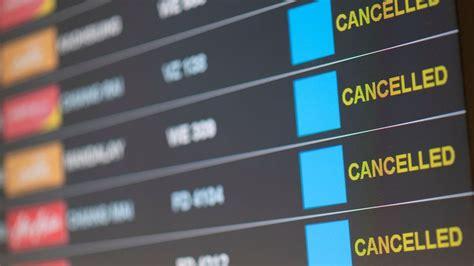
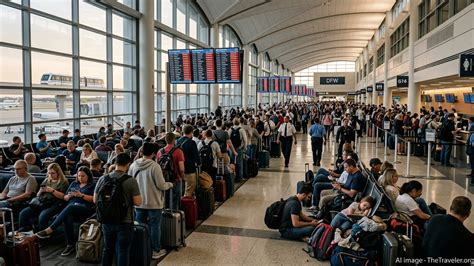
Travelers across the United States faced unprecedented disruption as severe weather systems triggered over 1,200 flight delays and cancellations, leaving major aviation hubs paralyzed and thousands of passengers stranded. The latest wave of atmospheric instability, marked by damaging winds and turbulent conditions, struck key airports including Dallas-Fort Worth (DFW), Boston Logan (BOS), Houston George Bush Intercontinental (IAH), San Francisco International (SFO), and others, creating a domino effect of operational breakdowns nationwide.
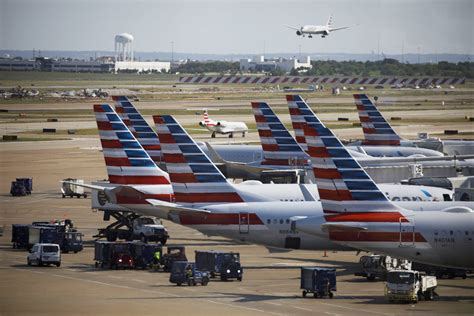
Dallas-Fort Worth International Airport: The Epicenter of Disruption
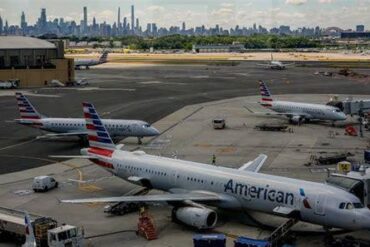
DFW emerged as the most heavily impacted airport, registering 249 delays and 18 flight cancellations within hours. Gusting crosswinds hampered runway operations, forcing airlines like American Airlines, the dominant carrier at DFW, to delay 128 flights. Regional partners, including PSA Airlines and Envoy Air, reported 28 delays and 15 cancellations, and 45 delays, respectively.
International carriers such as Qantas, Emirates, Qatar Airways, and Air France were also affected, as outbound schedules deteriorated under the worsening conditions. The storm’s intensity grounded aircraft for extended periods, while inbound flights circled in holding patterns. The backlog worsened as gate availability shrank and ground handling teams struggled to process baggage, exacerbating passenger frustration.
Boston Logan International Airport Faces High Wind Havoc
Further northeast, Boston Logan International Airport experienced 118 delays and 8 cancellations, largely due to severe wind gusts and unstable weather. Leading the disruption at Logan was JetBlue, with 39 delayed flights, significantly impacting travel across the East Coast.
Regional airline Cape Air saw nearly 20% of its daily schedule affected, canceling 6 flights and delaying 19 more. Republic Airways, a major feeder airline, suffered both cancellations and widespread delays. International services also faltered, with Air France, Lufthansa, Swiss, Condor, and Air Canada contending with substantial scheduling setbacks.
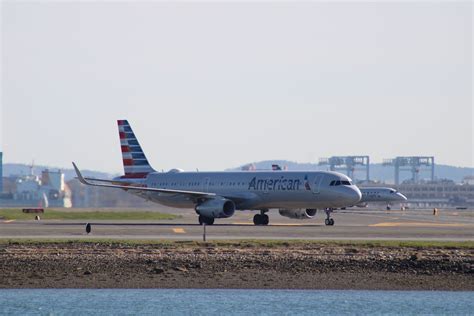
Houston George Bush Intercontinental Airport Grapples with Crosswinds
Houston Bush Intercontinental (IAH) encountered 117 delays and 6 cancellations, the result of powerful crosswinds and weather systems migrating from the west. The storm disrupted operations for United Airlines, responsible for 47 delays and 2 cancellations, and CommuteAir, which logged 29 delays.
International carriers, including British Airways, Lufthansa, and Emirates, also saw delays of up to 90 minutes. The intricate airport layout further complicated the recovery process, with widebody aircraft stranded on taxiways awaiting gate access as ground crews worked to clear bottlenecks.
San Francisco International Airport Disrupted by Weather and Congestion
On the West Coast, San Francisco International (SFO) faced significant operational headaches, tallying 100 delays and 4 cancellations. Persistent wind gusts combined with heavy ground congestion delayed numerous flights.
United Airlines reported the most disruptions, with 38 delays and 4 cancellations, while domestic carriers like Alaska Airlines, JetBlue, Southwest, and Spirit experienced their share of setbacks. International flights fared no better. Qatar Airways, Emirates, Virgin Atlantic, Air India, and major Asian airlines encountered delays of up to three hours, with air traffic control enforcing strict spacing to manage departures.
Newark Liberty International Airport Clogs Under Pressure
At Newark Liberty International (EWR), operations buckled under intense weather conditions, recording 102 delays and 9 cancellations. United Airlines, operating a significant hub at EWR, suffered 44 delays and 7 cancellations, one of the worst tallies nationwide.
Other carriers like Republic Airways, Jazz Aviation, and GoJet also struggled, as did international giants including Lufthansa, Air India, Ethiopian Airlines, Egypt Air, British Airways, and Turkish Airlines. Terminal C became a chokepoint, with gusty winds compounding ramp congestion, forcing extended wait times both on the ground and onboard aircraft.
John F. Kennedy International Airport: Global Connections in Disarray
New York’s JFK Airport logged 109 delays and 5 cancellations, severely impacting both domestic and intercontinental routes. JetBlue faced 43 delays, while Delta Air Lines struggled with 22 delays and multiple gate reassignments.
International carriers experienced widespread disruption, including LATAM Brasil, Singapore Airlines, Emirates, Qatar Airways, Saudia, Etihad, Swiss, Finnair, Air France, KLM, and Egypt Air. Europe-bound overnight flights suffered the worst, with many rescheduled after midnight. Long lines at customs and terminal congestion added to traveler frustration.
LaGuardia Airport and Regional Hubs Struggle with Backups
Despite its smaller footprint, LaGuardia Airport (LGA) faced 121 delays and 3 cancellations, with regional carriers like Republic Airways and Endeavor Air reporting significant operational setbacks. Weather turbulence over the Northeast caused aircraft to slow on approach, triggering a chain of delays.
Several flights diverted to JFK or Newark, as runway limitations at LGA reached critical levels. Even limited international flights, including Air Canada and Jazz Aviation, experienced moderate delays.
Philadelphia International Airport: Limited Runways, Big Disruptions
Philadelphia International (PHL) registered 80 delays and 4 cancellations, a significant hit to its tightly scheduled operations. American Airlines, the dominant carrier at PHL, bore the brunt with 31 delays and all 4 cancellations.
Other carriers, including Frontier, JetBlue, and Spirit, faced cascading delays, predominantly along the busy East Coast routes. With only a handful of runways available, even minor wind shifts crippled operations, forcing frequent gate reassignments and terminal overcrowding.
Reagan National Airport Buckles Under Weather Strain
Washington’s Reagan National Airport (DCA) recorded 138 delays and 4 cancellations, with regional operator PSA Airlines suffering a staggering 73 delays, nearly one-third of its daily schedule. Larger carriers such as American Airlines, JetBlue, Southwest, and United Airlines were similarly affected.
The airport’s restricted airspace and compact layout made it especially vulnerable to adverse conditions. Multiple flights were diverted to Dulles International and Baltimore/Washington International to alleviate pressure on the gridlocked terminals.
The Broader Impact on National and International Travel
The scale of disruption rippled beyond individual airports, affecting airline schedules nationwide. Major carriers including United, American, Delta, JetBlue, Southwest, Air Canada, Japan Airlines, Virgin Atlantic, Emirates, Qatar Airways, Malaysia Airlines, and Turkish Airlines scrambled to adjust operations.
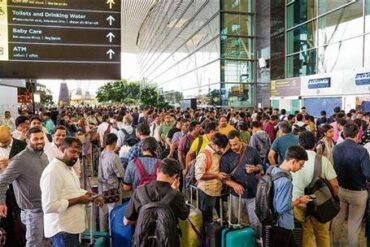
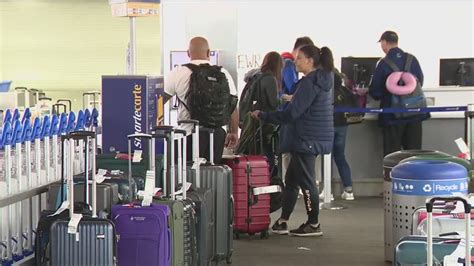
Thousands of travelers faced long lines, missed connections, overbooked rebooking counters, and unrelenting delays. Airlines issued travel waivers, encouraging passengers to utilize mobile apps and real-time updates. Officials cautioned that ongoing unstable weather patterns could trigger additional disruptions throughout the week.
As summer travel surges, the aviation industry braces for further operational strain, with weather increasingly becoming a formidable adversary to timely air travel. The latest chaos underscores the vulnerabilities of interconnected flight networks when extreme weather hits multiple hubs simultaneously.
Travelers are advised to monitor airline communications closely, arrive early, and remain prepared for sudden changes to flight schedules as volatile conditions persist.