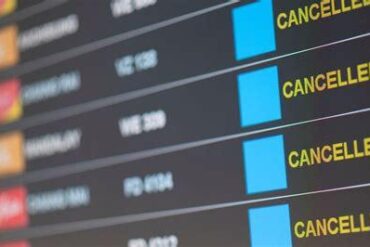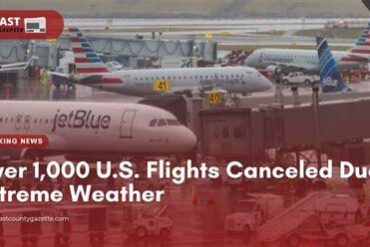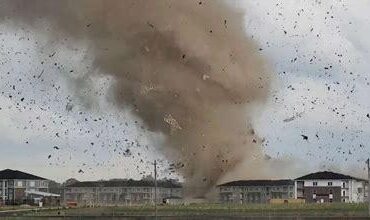
A massive wave of flight disruptions rippled across the United States on Saturday, July 26, 2025, as a powerful system of severe weather conditions forced Southwest, United, Frontier, Republic, and Delta Airlines to cancel over 70 flights and delay thousands more. From coast to coast, passengers experienced a breakdown in scheduled air travel, with key metropolitan hubs including San Francisco, New York, Los Angeles, Chicago, and Denver bearing the brunt of the chaos.
Widespread Airline Disruptions Fueled by Severe Weather
The crisis began with volatile storm activity sweeping across multiple regions, triggering low visibility, thunderstorms, and hazardous wind conditions that wreaked havoc on flight operations. Air traffic controllers were forced to ground or delay aircraft amid unstable weather patterns, while airlines scrambled to manage a cascade of cancellations and reroute stranded travelers.
Each of the five major carriers involved reported widespread impacts:
- Southwest Airlines: 24 cancellations, 1,034 delays
- United Airlines: 17 cancellations, 467 delays
- Frontier Airlines: 13 cancellations, 105 delays
- Republic Airlines: 17 cancellations, 224 delays
- Delta Airlines: 6 cancellations, 358 delays
With more than 2,000 combined delays, these figures underline the scale of the disruption affecting passengers both on the ground and in the air.
Heavily Affected City Pairs and Routes
Major U.S. corridors saw significant cancellations and congestion, especially on high-traffic transcontinental and interhub routes. San Francisco, New York, Los Angeles, Chicago, and Denver emerged as epicenters for disrupted travel:
- San Francisco (KOAK) to Los Angeles (KLAX): West Coast connectivity collapsed under the strain, especially during peak traffic hours.
- Chicago (ORD) to New York (JFK): A crucial business travel corridor, this route suffered cascading cancellations and limited rebooking options.
- San Francisco (SFO) to New York (JFK): Several long-haul flights were grounded, forcing passengers into overnight waits.
- Los Angeles (LAX) to Chicago (ORD): With both hubs affected by storms, delays spiked across connecting networks.
- Denver (DEN) to Chicago (ORD): Central U.S. transit also slowed, with ripple effects on east-west routes.
These high-density routes not only service major domestic traffic but also function as critical links for international connectivity, compounding the disruption.
Airline-by-Airline Breakdown of Cancellations and Key Routes
Southwest Airlines
With the highest number of delays among all carriers, Southwest Airlines experienced 24 cancellations and 1,034 delays. West Coast routes suffered extensively:
- San Francisco Bay Oakland Intl (KOAK) to Los Angeles Intl (KLAX)
- San Jose Intl (KSJC) to Hollywood Burbank (KBUR)
- Sacramento Intl (KSMF) to Hollywood Burbank (KBUR)
The airline’s point-to-point operating model was significantly compromised, leading to a domino effect on flights even in unaffected regions.
United Airlines
United, with 17 cancellations and 467 delays, saw major interruptions on routes linking coastal and Midwestern hubs:
- San Francisco Intl (SFO) to New York (JFK)
- Chicago O’Hare (ORD) to San Francisco (SFO)
- Denver Intl (DEN) to New York (JFK)
- Pittsburgh Intl (PIT) to Denver Intl (DEN)
The widespread delays congested United’s operations at major hubs like O’Hare and San Francisco, where gate availability and crew rescheduling became increasingly difficult.
Frontier Airlines
Frontier faced 13 cancellations and 105 delays, primarily hitting routes between the Midwest, Mountain West, and East Coast:
- Denver Intl (DEN) to Orlando Intl (MCO)
- Miami Intl (MIA) to Denver Intl (DEN)
- Phoenix Sky Harbor (PHX) to Houston Bush (IAH)
- Dallas-Fort Worth (DFW) to Hartsfield-Jackson (ATL)
The airline’s low-cost model left fewer options for affected travelers, who found it difficult to rebook due to Frontier’s limited route frequency.
Republic Airlines
Regional carrier Republic Airlines, which operates feeder services for major legacy airlines, logged 17 cancellations and 224 delays. Disruptions were felt especially in the Northeast Corridor:
- Myrtle Beach (MYR) to Newark Liberty (EWR)
- Detroit Metro (DTW) to Newark Liberty (EWR)
- Boston Logan (BOS) to LaGuardia (LGA)
- St Louis Lambert (STL) to Newark Liberty (EWR)
The impact here was particularly acute, as Republic services often provide vital links to smaller cities, meaning cancellations disproportionately affected passengers with few alternative options.
Delta Airlines
Although it reported the fewest cancellations (6) among the major carriers, Delta’s 358 delays still resulted in severe disruptions. Key affected routes included:
- San Francisco (SFO) to Atlanta Hartsfield-Jackson (ATL)
- Chicago O’Hare (ORD) to New York (JFK)
- Atlanta (ATL) to San Francisco (SFO)
As Delta operates a hub-and-spoke model, even limited cancellations in strategic hubs created cascading delays across the network.
Passenger Experience: Stranded, Delayed, and Frustrated
For travelers, the situation on the ground was nothing short of chaotic. Airport terminals overflowed with stranded passengers as airlines struggled to provide timely updates, effective rerouting, or sufficient customer support. Long queues formed at check-in and service desks, with many travelers unable to secure alternate flights until the next day or later.
In some airports, such as Chicago O’Hare and San Francisco International, passengers reported waits of up to four hours for basic information or assistance. Meanwhile, those attempting to book ground transportation alternatives like rental cars, Amtrak, or intercity buses encountered skyrocketing prices and limited inventory due to the surge in demand.
Airline Responses and Operational Measures
Airlines issued public statements and activated their irregular operations protocols, offering affected customers options such as:
- Free rebooking on later flights
- Travel vouchers or credit for future flights
- Hotel accommodations for overnight delays (subject to availability and weather clauses)
Despite these efforts, the scale of disruption exceeded contingency capacity, particularly as weather conditions remained unstable. Flight crews faced duty hour limits, further restricting scheduling options. Ground operations also struggled under the load, with aircraft out of position and crew shortages exacerbating the turmoil.
What’s Next for Travelers and Airlines
As storms continue to churn through the Midwest and Northeast, the potential for additional delays and cancellations remains high. Meteorological forecasts warn of continued thunderstorms and poor visibility into Sunday, meaning the disruptions may linger longer than expected.
Passengers planning to travel in the next 48 hours are advised to:
- Check their flight status regularly through airline apps
- Sign up for real-time text alerts from their carriers
- Arrive early at the airport to allow for long lines
- Have contingency plans in case of cancellation, including travel insurance or alternate transport methods
For airlines, the priority remains on clearing the backlog, reallocating aircraft, and rotating crew to resume normal schedules. However, with infrastructure stretched thin, full recovery may not occur until early next week.
Conclusion: A Brutal Reminder of Aviation’s Vulnerabilities
The July 26 storm system has exposed the fragility of the U.S. air travel network in the face of extreme weather. As over 70 flights were canceled and thousands delayed, millions of travelers faced frustration, uncertainty, and financial strain. Major carriers like Southwest, United, Frontier, Republic, and Delta were pushed to the limit, while airport infrastructure buckled under overwhelming demand.
In a summer already marred by pilot shortages, high passenger volume, and operational strain, this latest disruption serves as a wake-up call. As climate patterns grow more erratic, airlines and airports must accelerate investments in adaptive operations, technology, and customer communication systems.
For now, the skies may remain turbulent—both meteorologically and operationally.