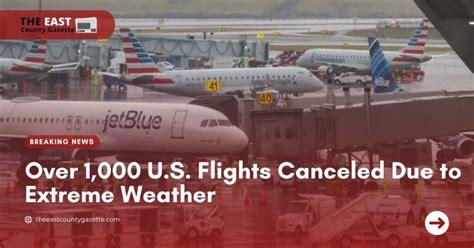
As of Monday, July 14, 2025, severe and fast-moving weather systems have triggered widespread travel chaos across the United States, grounding over 850 flights and delaying more than 5,490 others. Violent thunderstorms, torrential rains, dense fog, and gusting winds have crippled air travel operations at some of the country’s busiest airports, including Dallas-Fort Worth, Chicago O’Hare, John F. Kennedy, and Boston Logan. Airlines including Delta, American, Spirit, Endeavor, and Frontier have suffered the brunt of operational disruptions, with cascading delays impacting flights nationwide.
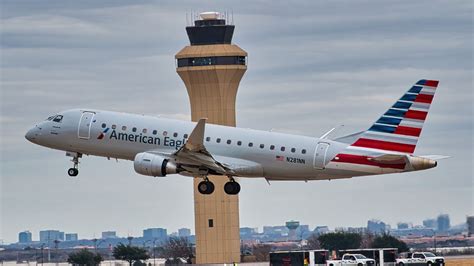
Violent Storm Systems Hammer U.S. Aviation Infrastructure
The storm front, which swept across the East Coast and parts of the Midwest over the weekend, delivered a direct blow to airport logistics. At Dallas-Fort Worth International Airport (DFW) alone, 315 flights were canceled and 648 delayed—accounting for the largest share of nationwide disruptions. High winds, lightning, and monsoon-like rains made taxiing hazardous and led to extended holding patterns for incoming flights.
American Airlines, headquartered at DFW, was particularly hard-hit. It logged 231 cancellations and 347 delays, representing 19% and 28% of its schedule respectively. Regional carriers such as Envoy Air, PSA Airlines, and SkyWest also experienced significant impacts, further intensifying the backlog.
JFK, Boston, and Chicago Face Gridlock as Storms Pound Northeast
In New York, John F. Kennedy International Airport (JFK) became a major bottleneck as 102 flights were canceled and 273 delayed. Visibility dropped below minimum thresholds for safe departures, while ramp operations ground to a crawl due to heavy rain. JetBlue bore the brunt here, recording 41 cancellations and 76 delays, severely affecting both domestic and Caribbean-bound services.
Meanwhile, Boston Logan International Airport (BOS) reported 62 cancellations and 348 delays. International arrivals were forced into holding patterns, and outbound flights experienced extended tarmac times. Airlines such as Delta, American, and JetBlue collectively faced an operational nightmare as they scrambled to reassign aircraft and crews.
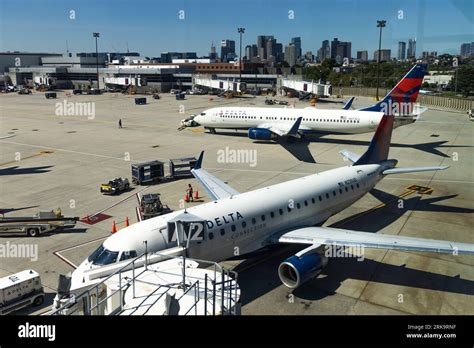
In the Midwest, Chicago O’Hare International Airport (ORD) logged 55 cancellations and 417 delays, with carriers such as American Airlines (42 cancellations) and United Airlines (6 cancellations) facing a severe dent in operational capacity. Frequent lightning strikes and waterlogged taxiways exacerbated delays, particularly for long-haul and international flights.
Chain Reaction of Delays Extends Coast to Coast
Beyond the core impact zones, ripple effects from grounded flights crippled secondary and tertiary airports. Denver International Airport (DEN) saw 314 delays and 15 cancellations as aircraft rotations were thrown out of sync. Southwest Airlines alone recorded 130 delays, illustrating how bad weather in one hub can trigger a domino effect nationwide.
At San Francisco International Airport (SFO), dense fog and intermittent rain caused 164 delays and 22 cancellations. United Airlines, with a major hub at SFO, led the list with 11 canceled flights, mostly long-haul international operations affected by departure slot constraints.
In Seattle-Tacoma International Airport (SEA), thick marine fog resulted in 158 delays and 22 cancellations. Ground operations struggled with poor visibility, with Alaska Airlines canceling 11 flights, and Delta grounding 6.
Breakdown by Airline: The Numbers Tell a Turbulent Tale
The nationwide impact was felt unevenly across airline networks. Delta Air Lines suffered significant disruptions across multiple hubs:
- Atlanta (ATL): 320 delays, 24 cancellations
- JFK: 72 delays, 3 cancellations
- Seattle: 8 delays, 6 cancellations
American Airlines, the worst-hit overall, faced over 1,000 combined delays and cancellations, with particularly severe impact at DFW, MIA, ORD, and BOS.
Frontier and Spirit, both low-cost carriers with tight turnaround schedules, experienced operational logjams. Spirit recorded 21 delays and 2 cancellations at Orlando, while Frontier had 24 delays and 3 cancellations at Denver alone.
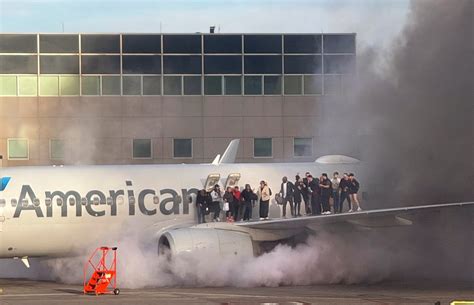
Airport-Specific Mayhem: A Closer Look at Key Hubs
Dallas-Fort Worth International Airport (DFW)
The epicenter of Monday’s disruption, DFW dealt with dangerous wind shears, lightning, and flash flooding. Taxiways were periodically shut down, and luggage handling operations halted. Boarding bridges were intermittently closed for safety, stranding passengers.
Chicago O’Hare International Airport (ORD)
ORD’s dual runway operations became constrained due to puddling and wind gusts exceeding 40 mph. International terminals saw major slowdowns, especially on incoming flights from Europe and Asia. Crews timed out, forcing airlines to cancel or delay long-haul sectors.
John F. Kennedy International Airport (JFK)
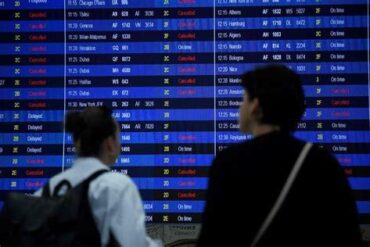
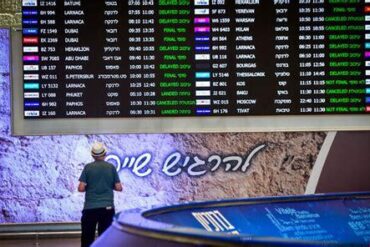
JFK experienced a cascade of missed slots, forcing aircraft to reroute or divert to alternate airports like Newark and Philadelphia. Storms stalled inbound flights for hours, creating a logjam on the arrivals board.
Boston Logan International Airport (BOS)
Flight crews were forced into holding patterns as weather rendered visual landing approaches unsafe. International flights arriving from London, Frankfurt, and Toronto were delayed or redirected.
The Human Impact: Stranded Passengers, Missed Connections
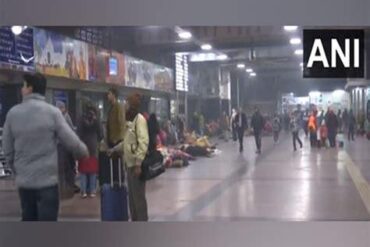
For passengers, the weather-triggered chaos turned ordinary journeys into logistical nightmares. At Atlanta, travelers waited in terminals for over six hours as gate changes, boarding delays, and last-minute cancellations became routine.
Social media was awash with images of jam-packed concourses, long TSA lines, and customer service counters overwhelmed by rebooking requests. The ripple effect extended to car rental shortages, hotel overbookings, and ride-share price surges around impacted airports.
What Comes Next: Ongoing Weather Risks and Recovery Challenges
The National Weather Service (NWS) has warned of continued instability across the Midwest and Northeast for the next 48 hours. With further storms forecast for Tuesday and Wednesday, aviation experts expect prolonged recovery periods for airline networks. Aircraft repositioning, crew duty-time resets, and passenger reaccommodation are expected to stretch airline resources.
Airlines are urging passengers to:
- Monitor flight status via airline apps
- Check airport advisories regularly
- Allow extra buffer time for travel
- Be flexible with rebooking or rerouting options
Several airlines have issued weather waivers for affected regions, allowing passengers to modify travel dates without change fees. Delta, American, and United are all offering these options, especially for travelers scheduled to fly through high-impact hubs like DFW, ORD, JFK, and BOS.
Weather-Driven Aviation Disruptions: A Growing Pattern?
While July typically brings weather challenges, the sheer scale and multi-regional nature of this week’s system has alarmed airline planners. It underscores how vulnerable modern air travel remains to natural phenomena. As climate volatility increases, airports and carriers may face more frequent and severe operational shocks, making infrastructure resilience, predictive weather modeling, and crisis response ever more critical.
Conclusion: A System Under Strain
The mass flight cancellations and delays on July 14, 2025, reveal not only the disruptive power of violent weather but also the fragility of America’s interdependent air travel system. From major hubs like DFW and JFK to regional outposts like Savannah and Salt Lake City, the cascading impact of poor weather paralyzed operations coast to coast.
As passengers continue to grapple with shifting itineraries, and airlines struggle to regain schedule integrity, the nation’s aviation ecosystem confronts a stark reminder: in the face of nature’s fury, even the most advanced air traffic networks remain dangerously vulnerable.
Travelers are advised to remain patient, stay informed, and be prepared for ongoing disruptions in the days ahead.