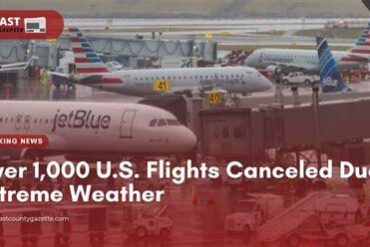
As severe weather continues its relentless grip across the United States, major airline operations are experiencing widespread disruption. From Dallas-Fort Worth (DFW) to Atlanta (ATL), and from Chicago O’Hare (ORD) to Miami International (MIA), the ripple effects of thunderstorms, heavy rain, and reduced visibility are triggering a domino effect of delays and cancellations. These weather-related events are not just random occurrences—they are crippling critical airline hubs, leading to cascading delays that have impacted American Airlines, Delta Air Lines, United Airlines, SkyWest, Frontier, and many regional affiliates.
DFW: Epicenter of Flight Disruptions in the South
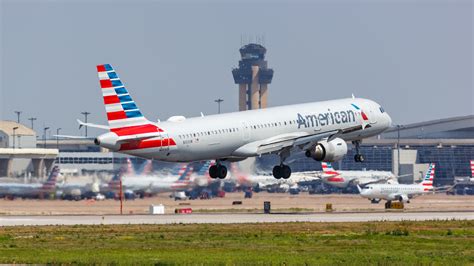
Dallas-Fort Worth International Airport (DFW) has faced the most substantial operational strain, reporting 849 delays and 168 cancellations in just 24 hours. With storms sweeping through North Texas, gusting winds and lightning strikes caused massive slowdowns in taxiing, takeoff, and ground handling procedures. American Airlines, with its mega-hub at DFW, took the largest hit, accounting for 43 cancellations and 472 delays. Regional carriers like Envoy Air and SkyWest also reported dozens of flight disruptions.
ATL: Ground Delays and Departure Gridlock in Atlanta
At Hartsfield-Jackson Atlanta International Airport (ATL), the world’s busiest airport, the skies opened with severe thunderstorms leading to 521 flight delays and 64 cancellations. Delta Air Lines, headquartered in Atlanta, saw 50 flights canceled and 388 delayed, straining both domestic and international schedules. Passengers described multi-hour ground stops and waiting on tarmacs for clearance amid rapidly changing weather alerts.
ORD: Midwest Bottleneck as Thunderstorms Sweep Chicago
Chicago O’Hare International (ORD), another crucial hub, reported 552 delays and 64 cancellations, largely driven by intense storm bands and ground saturation. United Airlines, based at O’Hare, recorded 105 delays and 8 cancellations, while American Airlines faced 23 cancellations. With air traffic stacking inbound and outbound, controllers scrambled to reroute traffic across the upper Midwest.
DEN: Fog and Visibility Issues Choke Transcontinental Flights
Denver International Airport (DEN) experienced 354 delays and 32 cancellations as low visibility and light precipitation gripped the Rockies. The airport’s high altitude compounds such weather effects, particularly during transcontinental and transoceanic routes. United, the dominant carrier here, faced 119 delays and 15 cancellations, followed by SkyWest, Southwest, and Frontier.
MIA: Tropical Rain Disrupts International Traffic in Miami
Torrential rains and sustained winds at Miami International Airport (MIA) caused 281 delays and 10 cancellations. With American Airlines being the primary operator, it alone reported 171 delayed flights and all 10 cancellations. The combination of poor runway conditions and airspace congestion over the Caribbean amplified the international impact.
Systemic Turbulence: National Impact Beyond the Hubs
The weather-driven chaos has spread far beyond the major hubs, disrupting operations at JFK, SFO, SEA, MCO, PHX, BOS, MSP, DTW, and more. Even mid-sized airports like Salt Lake City (SLC) and St. Louis Lambert (STL) saw double-digit cancellations and hundreds of delays due to storm front movement and restricted airspace.
Snapshot of Delays and Cancellations by Airport:
- JFK (NY): 268 delays, 23 cancellations
- SEA (WA): 257 delays, 19 cancellations
- BOS (MA): 271 delays, 23 cancellations
- DTW (MI): 315 delays, 20 cancellations
- SLC (UT): 145 delays, 7 cancellations
- IAH (TX): 250 delays, 11 cancellations
- PHX (AZ): 224 delays, 13 cancellations
Airline Breakdown: Who Was Hit the Hardest?
Airline operations teams have been operating under high stress with scheduling software, ground crew logistics, and weather advisories all under pressure. The top 10 most affected airlines include:
- American Airlines: 1,056 delays, 189 cancellations
- Delta Air Lines: 1,064 delays, 80 cancellations
- SkyWest Airlines: 367 delays, 116 cancellations
- United Airlines: 289 delays, 23 cancellations
- Frontier Airlines: 137 delays, 30 cancellations
Among these, regional affiliates such as Envoy Air (318 delays, 23 cancellations), PSA Airlines, and Endeavor Air also suffered heavily due to their dependence on legacy carriers’ hub operations.
Tarmac Troubles: Ground Handling Woes Worsen the Gridlock
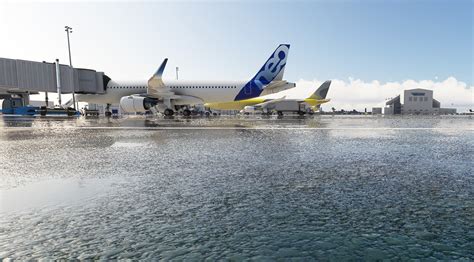
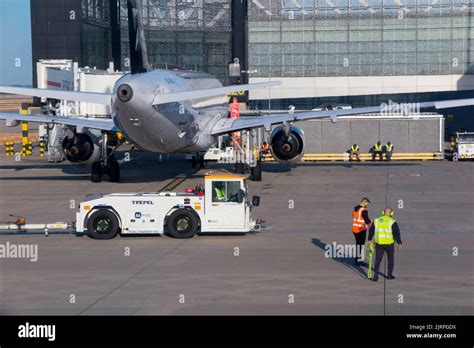
What began as a weather problem quickly exposed the fragility of ground operations infrastructure. Ground crew teams across affected airports reported water-logged runways, malfunctioning equipment, and delays in refueling and baggage loading. Airports like DFW and ATL even experienced temporary tarmac shutdowns, forcing planes to circle or reroute to secondary airports.
Passenger Fallout: Frustration, Missed Connections, and Sleep on Terminal Floors
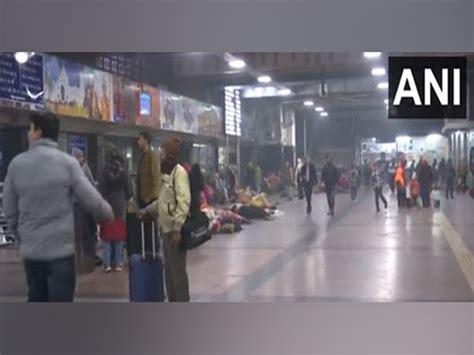
Passengers have borne the brunt of this travel mayhem. Reports of stranded families, abandoned luggage, and overnight airport stays flooded social media. Many international travelers, particularly those transiting through JFK, MIA, and ORD, missed critical connection windows, with limited rebooking options due to already stretched capacity. Airlines issued vouchers, meal credits, and hotel accommodations, but logistical gaps left many on their own.
Why This Chaos Isn’t Just About the Weather
Though the headlines point to storms and poor visibility, industry insiders reveal a deeper issue—capacity saturation and brittle logistics chains. Airlines operating on tight turnaround schedules have little buffer for mass cancellations. With crew rest regulations and pilot shortages compounding issues, delays escalate rapidly. Add in understaffed ATC centers in key regions like New York and Dallas, and the system is primed for collapse with even minor atmospheric changes.
What Travelers Should Do Now: Real-Time Strategies
With further weather patterns expected through midweek, travelers are urged to adopt real-time coping strategies:
- Enable notifications for airline apps
- Use FlightAware or FlightRadar24 for live aircraft tracking
- Consider rebooking on flights with mid-day departure windows
- Avoid connections under 2 hours
- Pack essentials in carry-ons in case of overnight layovers
What’s Next: FAA Monitoring and Airline Response
The Federal Aviation Administration (FAA) has issued advisories for airspace slowdowns across the Midwest, Southeast, and Northeast corridors. Airlines are working with National Weather Service inputs to adjust scheduling dynamically. American and Delta have offered flexible rebooking options with fee waivers through July 16. However, experts warn that operational recovery may take several days, especially at hubs with high cancellations like DFW and ORD.
Conclusion: A System Under Stress and a Wake-Up Call for U.S. Aviation
This latest episode of travel disruption reveals just how susceptible the U.S. air travel system is to weather-induced gridlock. With thousands of flights affected and airports stretched to the limit, the impact has gone beyond mere inconvenience. It is a wake-up call for airline resilience, infrastructure investment, and disaster preparedness. For passengers, it’s a test of patience—and a reminder that in modern aviation, weather isn’t the only storm brewing.