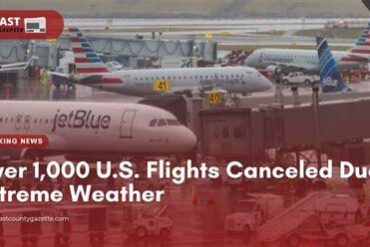
A wave of severe and persistent weather has thrown the United States’ air transportation network into turmoil, with over 2,000 flight delays and cancellations reported across major airports. On July 15, 2025, key airline operators such as JetBlue, Southwest, and United Airlines bore the brunt of operational collapse as lightning, torrential rain, fog, and waterlogged runways crippled hubs like JFK, Miami International (MIA), and Boston Logan (BOS).
The operational chaos has revealed the fragile equilibrium of air travel logistics when faced with atmospheric volatility, severely stranding passengers and stressing ground operations.
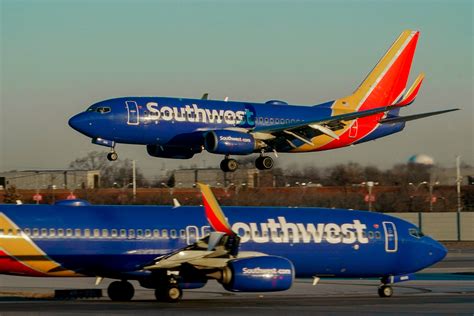
John F. Kennedy International (JFK) Suffers Prolonged Paralysis
With 208 delays and 119 flight cancellations, JFK stood among the hardest-hit. The airport was drenched in a wall of rain, slashing visibility and rendering taxiways hazardous. JetBlue, which operates a heavy share of JFK’s domestic traffic, accounted for 46 cancellations and 58 delays, while Delta and American Airlines also logged dozens of disruptions.
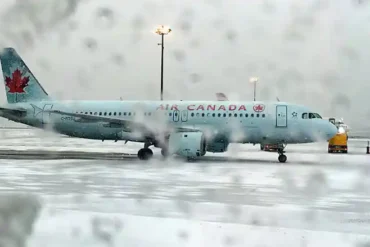
Aircraft crews were stuck waiting for ground clearance, as soaked tarmac conditions caused boarding gate bottlenecks and slowed deplaning operations. Poor ground visibility extended taxi times, causing departure pushbacks that echoed across the day’s schedule.
Miami International (MIA): Runway Swamps and Lightning Alerts
Down south, Miami International Airport recorded 246 delays and 51 cancellations, mostly attributed to waterlogged runways and constant rainfall. Operations struggled to maintain turnaround times as the entire day fell under storm alert. American Airlines, the largest operator at MIA, reported 40 flight cancellations and an astonishing 165 delays, straining crew and gate availability.
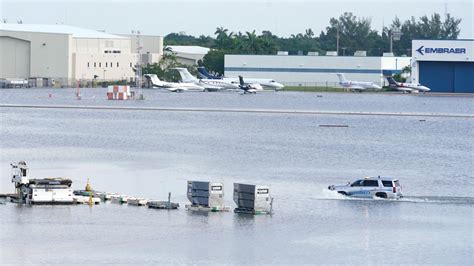
Outbound flights to Latin America and Caribbean destinations saw heavy disruption, creating knock-on effects across international schedules. Airport personnel scrambled to realign connections, but lightning surges grounded ramp activity, halting all apron movement for hours.
Boston Logan (BOS): Storms Break Flight Rhythm Across New England
At Boston Logan International, 231 delays and 82 cancellations followed a classic New England summer storm cell that ruptured traffic sequencing. JetBlue, with a significant Boston footprint, faced 15 cancellations and 76 delays, while regional partner Republic Airways canceled 36 flights.
Aircraft waited at gates for ground crew availability, while incoming flights experienced holding pattern loops, unable to dock due to space limitations. Even domestic short-haul services were severely compromised as runway saturation led to gate gridlocks.
Chain Reaction Across National Network
While coastal airports absorbed the first shock, ripple effects pulsed throughout the national aviation ecosystem:
- Chicago O’Hare (ORD) was mired in 255 delays and 63 cancellations, particularly affecting American and United Airlines.
- Atlanta’s Hartsfield-Jackson (ATL), normally a paragon of hub efficiency, logged 310 delays as storms interrupted aircraft movement.
- Dallas/Fort Worth (DFW) emerged as the worst-hit inland hub, with 535 delays and 75 cancellations, as storms shut down ramp operations repeatedly.
- Newark (EWR) and Philadelphia (PHL) both saw cancellations exceed 100 due to constant thunder and low ceiling layers.
Airlines Struggle with Crew Availability and Aircraft Positioning
For carriers like JetBlue, Southwest, and United, weather was only part of the story. The inability to reposition aircraft and crew due to static weather patterns caused widespread aircraft misalignment, making recovery slow even after skies cleared.
Southwest Airlines, particularly vulnerable to hub-centric disruptions, saw cascading failures at Dallas, Chicago, and Orlando, where sudden ramp halts caused planes to be rerouted midair or held indefinitely on tarmac.
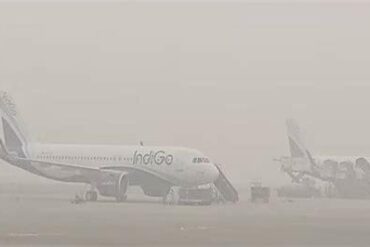
United faced similar fates at its Newark and Houston hubs, where low visibility, fog, and lightning warnings forced ground handling to pause for hours. Passenger connections were broken, resulting in customer service surges and overflowing terminal lounges.
Inside the Numbers: Airport-by-Airport Breakdown
At the Los Angeles International Airport (LAX), 154 delays and 12 cancellations emerged from weather constraints on approach paths. In Seattle (SEA) and Minneapolis-St. Paul (MSP), light fog and intermittent showers still managed to stack delays during rush windows.
Even distant hubs such as Honolulu (HNL), where only 39 delays were reported, saw inter-island flights rerouted due to offshore disturbance patterns.
The chaos was not localized. In total, over 2,000 commercial flights were impacted, with many more private and cargo movements also affected. Airlines were forced to issue waivers, and FAA traffic flow management programs placed further constraints on major sectors.
Passenger Woes Mount Across the Country
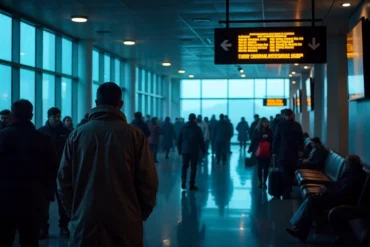
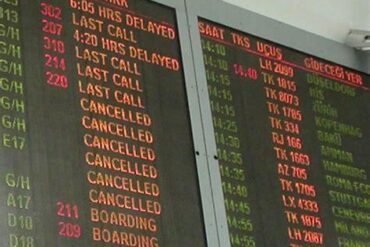
Stranded travelers faced marathon waits in terminals as they queued for rebooking and rescheduling. Many were unable to secure same-day flights due to cascading equipment shortages. At Orlando (MCO) and Fort Lauderdale (FLL), family travelers and international tourists were hit hard as peak vacation season collided with infrastructural breakdown.
Passengers at Philadelphia (PHL) recounted gate staff being overwhelmed, with little communication and no compensation clarity. In Chicago, temporary closures of sky bridges and tarmac pathways meant even offloaded passengers had to wait long to exit the aircraft.
Storm Trends Intensify: Weather Now a Core Aviation Threat
Meteorologists warn that climate variability is turning what used to be sporadic summer storms into persistent travel disruptions. The slow-moving nature of July’s system compounded delays, with some airports experiencing back-to-back storm cells throughout the day.
Airlines face a growing challenge: balancing tight crew schedules with unpredictable weather volatility. According to aviation analysts, such weather events now represent one of the biggest systemic threats to schedule reliability—on par with cyberattacks and fuel volatility.
Federal and Industry Response Remains Reactive
Despite the FAA implementing flow restriction zones, rerouting aircraft into alternate sectors, and issuing temporary airspace closures, responses remained largely reactive rather than preventative.
Calls are mounting for improved real-time communication systems between ATC, airport ops, and carriers. Furthermore, critics argue that investments in all-weather ground infrastructure, including enhanced drainage and radar-assisted taxiing, are lagging.
JetBlue, which canceled over 70 flights across the northeast, issued a statement acknowledging that “weather has dramatically slowed ground ops,” and it is working to reposition aircraft and support impacted passengers. United Airlines echoed similar sentiments, stressing that customer service centers have been mobilized nationwide.
Outlook for the Coming Days
Weather forecasters warn that the low-pressure trough responsible for Tuesday’s weather surge will remain active across the eastern seaboard. More disruptions are expected at JFK, Newark, Charlotte, and Boston through the end of the week.
The National Weather Service has issued ongoing alerts for thunderstorms, low ceilings, and flash flooding in key metro corridors. Passengers are strongly advised to check flight statuses frequently, use mobile airline alerts, and allow significant buffer time for airport transfers.
Conclusion: A Test of Aviation Resilience in the Face of Atmospheric Aggression
The July 15 weather crisis underscored the vulnerability of U.S. air travel to high-impact atmospheric events. While airlines continue to recover operations and minimize cascading damage, the experience has raised urgent questions about the readiness of American airports to handle weather-induced gridlock.
As summer storms gain frequency and ferocity, both airline operators and federal authorities will need to radically rethink operational frameworks—making resiliency a core pillar of modern aviation strategy, not an afterthought.
With thousands still grounded and more storms looming, the nation’s travelers are bracing for continued unpredictability in the skies.