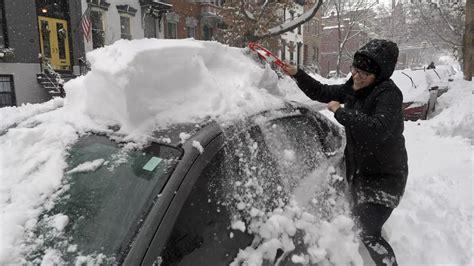
A major winter storm is set to unleash New York City’s most substantial snowfall in years, potentially blanketing the region with up to 8 inches of snow and disrupting thousands of holiday travel plans. Beginning Friday evening and stretching into Saturday, the storm is sweeping through the Northeast, with the city’s three major airports already seeing significant operational challenges.
A Powerful Nor’easter Approaches NYC
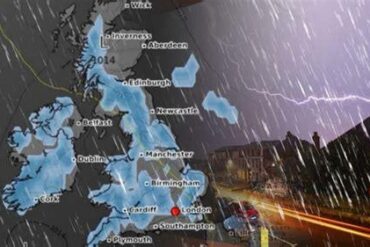
Meteorologists have tracked a strong nor’easter forming off the Atlantic coast, intensifying as it moves inland. Snow is projected to start falling Friday night, with peak accumulation expected between midnight and early Saturday morning. The National Weather Service has issued a Winter Storm Warning, citing snowfall rates of up to 2 inches per hour, near-whiteout conditions, and dangerously low visibility.

While average snowfall is expected to be between 4 and 8 inches, meteorologists warn that parts of Northeast Queens and the northern Bronx could receive 9 inches or more, depending on the storm’s trajectory and moisture feed.
Mayor Eric Adams emphasized urgency in a statement Friday afternoon:
“New Yorkers should prepare for a significant snow event, beginning this afternoon and continuing into Saturday.”
Travel Disrupted Across Air and Ground Networks
As snow accumulation begins during the late-Friday rush hour, travel conditions are deteriorating rapidly. The storm’s timing—just after Christmas—couldn’t be worse, catching thousands of travelers in a post-holiday scramble.
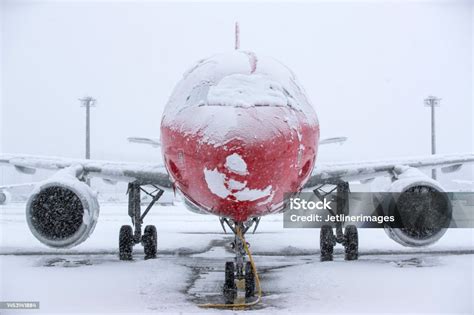
Airlines have proactively slashed flight schedules, canceling over 1,800 flights by Friday evening at JFK, LaGuardia, and Newark airports combined. Delays are mounting, particularly due to:
- Runway contamination caused by fast-accumulating snow
- Prolonged de-icing operations for outbound aircraft
- Crew positioning challenges, as snow prevents crews from reaching assigned aircraft
Passengers are advised to check airline apps frequently for real-time updates and consider rescheduling non-essential travel.
On the ground, conditions are just as treacherous. Roadways, especially bridges and elevated highways, are becoming impassable, with salting trucks and plows struggling to keep up. The New York City Department of Sanitation has mobilized snow removal teams across all boroughs, but rapid accumulation is making it difficult to stay ahead.
Public Transit: A Mixed Bag Amid The Snow
While city officials recommend public transit as a safer alternative, MTA services are not immune to weather impacts. Snowfall on exposed rail lines and slippery platforms pose hazards, and delays are likely.
The Long Island Rail Road (LIRR) and Metro-North are expected to operate reduced schedules, particularly late Friday and early Saturday. Subway trains may run more slowly in outdoor sections. Commuters should budget extra time and consult updated schedules on transit apps before heading out.
Ripple Effects Across The U.S. Aviation System
Although centered in the Northeast, the effects of this storm ripple across the entire aviation network. When hub airports like JFK or Newark are constrained, planes and crews can’t get where they need to be. This leads to cascading cancellations and delays nationwide.
Airlines often preemptively cancel flights rather than risk mass airport congestion and stranded passengers. However, this proactive approach means:
- Rebooking options are limited, especially on full post-holiday flights
- Recovery takes longer, since displaced aircraft and staff must be repositioned
- Delays continue even after the snow stops, as backlogs are cleared
Passengers planning to travel via New York this weekend should expect residual impacts to linger through Sunday or beyond.
How NYC’s Snow Preparedness Is Being Tested
In recent years, NYC has seen relatively mild winters. The last major snowstorm of this magnitude occurred several seasons ago. That weather complacency could strain city services:
- Equipment may be out of regular use, requiring last-minute repairs
- Crews may lack recent major storm experience
- Snow budgets may already be tight due to early-season expenses
Nevertheless, emergency management teams are on alert, staging salt spreaders, snowplows, and emergency responders throughout the five boroughs.
Safety First: What Travelers Should Know
Officials urge residents and travelers to prioritize safety and avoid unnecessary movement during peak storm hours. Those who must drive should:
- Carry emergency supplies including food, water, blankets, and flashlights
- Allow extra braking distance on slippery roads
- Avoid travel overnight Friday into Saturday morning
For those flying, the best strategy is to check flight status frequently, accept rebooking when offered, and stay flexible. Many airlines have issued travel waivers, allowing free changes or cancellations for affected travelers.
Why This Storm Is Different: The Post-Holiday Surge Factor
Unlike a mid-week storm in January, this blizzard is hitting at a critical moment: the post-Christmas return rush. With planes already booked to capacity and highways seeing above-average traffic, the storm’s impact is amplified.
More than 4.2 million travelers were expected to pass through NYC’s airports this holiday season, per Port Authority estimates. As delays mount, so does stress on infrastructure, airline systems, and hospitality services.
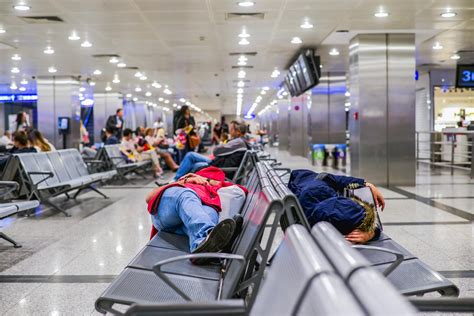
Hotels near airports are filling up fast as passengers seek shelter during extended layovers. Rideshare pricing has surged due to driver shortages and difficult road conditions.
Will Snowfall Break Records?
While the current forecast calls for up to 9 inches, that’s not enough to enter the record books. Still, it would mark NYC’s largest snow accumulation in over five years, and a dramatic shift from recent mild Decembers.
In January 2016, Winter Storm Jonas dropped over 27 inches in Central Park—a historic benchmark. While this storm is less intense, its timing, reach, and system-wide impact make it significant.
The Broader Impact: Logistics, Deliveries, and Emergency Services
Beyond travel, the storm is slowing down logistics and local deliveries. E-commerce shipments may face delays, particularly those routed through regional distribution centers in New Jersey and the Bronx.
Emergency services are on alert, with ambulance providers bracing for slower response times. Power outages are possible, especially in Long Island and coastal areas, where wind gusts may reach 35 mph.
City residents are urged to:
- Charge electronics ahead of the storm
- Avoid parking on designated snow emergency routes
- Report outages to Con Edison promptly
Looking Ahead: Recovery Timeline and Long-Term Forecasts
The storm is expected to taper off by midday Saturday, but recovery will take time. Snow removal, flight rebookings, and traffic normalization may stretch into Monday or beyond. With freezing temperatures lingering, roads could remain icy into next week.
Looking further ahead, long-range forecasts suggest a wetter, snowier winter than usual for the Northeast. The El Niño pattern in the Pacific is expected to bring more frequent coastal storms to the Mid-Atlantic and New England.
Final Thoughts: Navigating The Chaos With Preparation
New York City is no stranger to snowstorms, but the convergence of a potent nor’easter, peak holiday travel, and an unprepared public makes this event uniquely disruptive. Preparation, flexibility, and patience are key.
Travelers should stay informed through airline alerts, weather services, and city advisories. When in doubt, err on the side of caution—delayed travel is better than dangerous travel.
As the flakes begin to fall, New York hunkers down, bracing for a winter punch that could define this season.