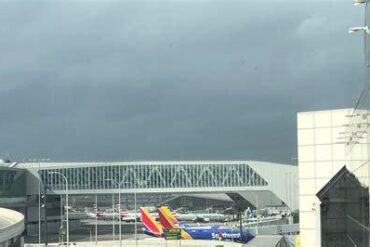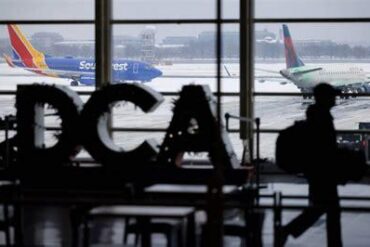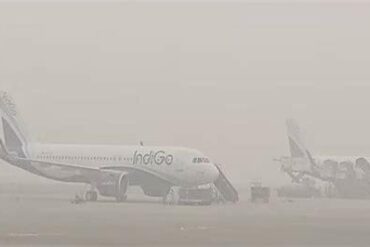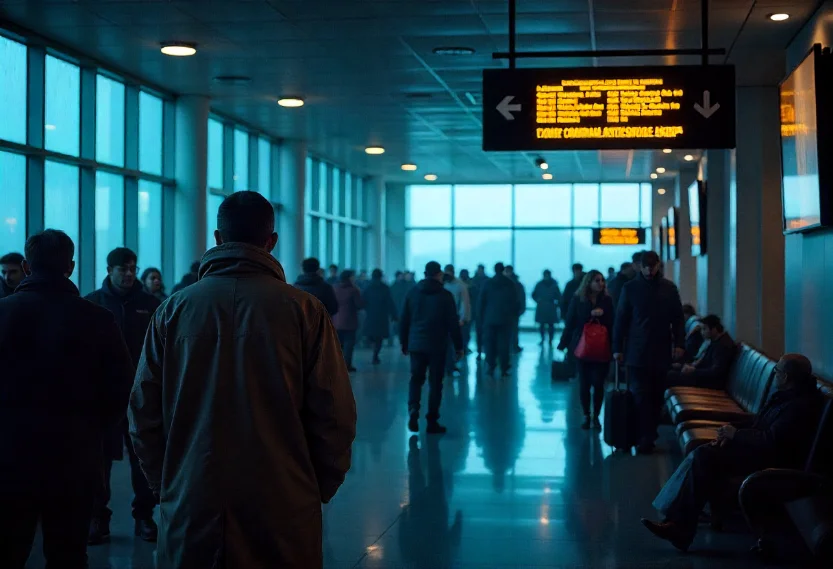
More than 250 flights were canceled across the United States on Sunday, July 27, 2025, as some of the nation’s busiest airports — including Chicago O’Hare, Dallas-Fort Worth (DFW), John F. Kennedy (JFK), and LaGuardia — faced severe weather-related disruptions. Airlines such as Southwest, Delta, United, American, and JetBlue bore the brunt of the cancellations and delays, with thunderstorms, flash flooding, and strong winds wreaking havoc on schedules and travel plans. The situation highlights the vulnerability of U.S. air travel to extreme weather events, especially during peak travel seasons.
Severe Weather Sparks Nationwide Flight Chaos
The disruptive weather system unleashed powerful thunderstorms, torrential rain, and damaging winds across key regions of the U.S., grounding flights and stranding thousands of passengers. Even before the worst of the storms hit, widespread delays and cancellations were reported as airlines scrambled to adjust their schedules. According to flight tracking data, over 250 flights were canceled nationwide, while hundreds more experienced multi-hour delays. The storm’s eastward trajectory suggests that the disruptions will persist in the coming days, particularly for travelers heading to or from the Midwest and Northeast.
Chicago Airports See the Heaviest Impact
Chicago O’Hare and Midway International Airports emerged as the hardest-hit hubs, with airlines struggling to maintain operations in the face of punishing conditions. Southwest Airlines canceled 45 flights and delayed 73 more, while United and Delta reported numerous delays due to operational constraints. American Airlines also faced weather-related challenges, particularly at O’Hare, where flash floods and severe crosswinds complicated takeoff and landing procedures. For travelers in Chicago, the cascading effects of these delays led to prolonged wait times, overbooked re-accommodations, and a scramble for alternative routes.
Severe Disruptions at JFK and LaGuardia
In New York, the effects of the weather system were equally disruptive. John F. Kennedy International Airport reported 36 cancellations, with Delta, JetBlue, and Lufthansa experiencing the highest number of impacted flights. LaGuardia Airport faced 25 cancellations, primarily affecting Delta and Republic Airlines, though American Airlines and Southwest were also impacted. The already congested New York airspace faced further strain as carriers tried to reallocate aircraft and crew, contributing to rolling delays that extended into the evening hours.
Dallas-Fort Worth Experiences Limited but Noticeable Disruptions
Though Dallas-Fort Worth International Airport (DFW) saw fewer outright cancellations — only seven flights, primarily operated by American Airlines — the ripple effect from weather-induced congestion elsewhere was felt across the Texas hub. Delays mounted throughout the day as flight crews were displaced, and incoming connections from storm-stricken airports caused cascading schedule adjustments. The impact at DFW underscored how quickly one region’s severe weather can paralyze air traffic flows nationwide.
A Ripple Effect Felt Across the U.S.
The effects of the storm were not isolated to these major hubs. Air Canada, United, and JetBlue reported delays at other regional airports, while connecting flights across the country faced disruptions due to the ripple effect of crew shortages and aircraft positioning challenges. Airports in the Midwest and Northeast braced for further operational snarls as the storm system pushed eastward, with forecasters warning of additional flash flood risks and lightning strikes in the days ahead. Passengers connecting through these regions faced growing uncertainty about their itineraries.
Airlines and Passengers Struggle with Operational Challenges
Airlines attempted to mitigate the chaos by proactively canceling flights, a tactic designed to prevent last-minute scrambles and stranded aircraft. Crew shortages, a lingering issue from pandemic-era staffing cuts, added complexity, particularly as airlines worked to reposition pilots and flight attendants stranded by earlier cancellations. Gate congestion and limited available aircraft further compounded the delays, leaving passengers to navigate rebookings and long waits in customer service lines.
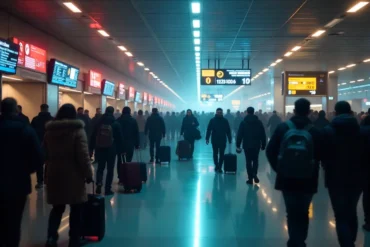
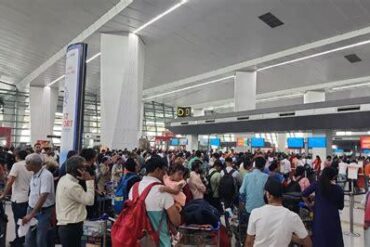
For passengers, the situation was especially grim. Reports emerged of travelers waiting for hours in crowded terminals, struggling to secure rebookings amid a scarcity of alternative flight options. With the summer travel season in full swing, the limited availability of seats on unaffected routes left many stranded overnight or forced to reroute through distant cities.
What Travelers Can Do Amid Ongoing Disruptions
With the storm system continuing to disrupt air travel, experts advise passengers to take proactive steps to minimize inconvenience:
- Check flight status frequently through airline apps and flight-tracking tools.
- Sign up for airline notifications to receive real-time updates.
- Consider rebooking in advance if travel plans are flexible, avoiding peak departure windows.
- Have contingency plans for accommodations or alternate transportation, particularly for connections through heavily impacted hubs.
The Outlook: More Disruptions Ahead
Meteorologists warn that the storm system’s eastward movement could bring further cancellations at airports across the Northeast and Mid-Atlantic, intensifying travel headaches for passengers through the week. The combination of high passenger volumes, weather-induced scheduling chaos, and strained airline resources presents a challenging outlook for the near term.
As the U.S. air travel system navigates these severe disruptions, airlines are urging travelers to stay flexible, informed, and prepared for evolving conditions. For now, the convergence of severe summer storms, infrastructure bottlenecks, and operational constraints has made this one of the most disruptive weekends of the season, leaving thousands of travelers caught in the turbulence of a volatile travel network.