Frontier Airlines was forced to declare a medical emergency on August 13, 2026, after four of the five flight attendants aboard Flight F91046 became ill while the Airbus A321 was approaching Fort Lauderdale. The crew members reportedly experienced headaches and nausea, prompting the pilots to alert air traffic control and request medical assistance upon arrival. The aircraft landed safely, but two of the affected flight attendants were later taken to a hospital for treatment.
The incident occurred near the end of the approximately two-hour flight from Cleveland Hopkins International Airport (CLE) to Fort Lauderdale-Hollywood International Airport (FLL). According to air traffic control recordings, one of the pilots reported that the cabin crew was increasingly affected, saying, “All my flight attendants have headaches, and now three, now four, are nauseous.” The statement immediately raised concerns about a possible cabin air contamination or fume event, although no official cause has been confirmed.
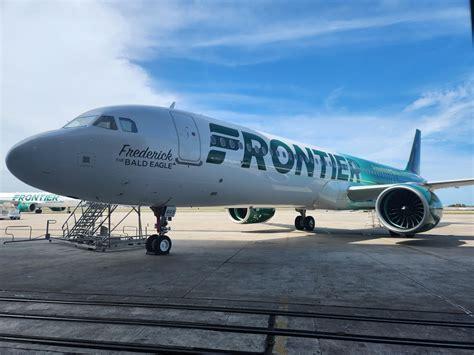
The aircraft involved was Airbus A321-200 registration N706FR, a roughly 10-year-old aircraft powered by two CFM56 engines. The jet is among Frontier’s older-generation A321ceo aircraft and can accommodate as many as 230 passengers. While there were no reported indications that passengers suffered similar symptoms, the concentration of illness among the cabin crew made the event particularly notable and resulted in the aircraft being removed from service.
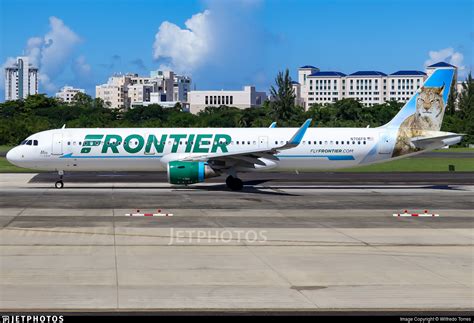
Frontier Flight F91046 Declares Medical Emergency
Flight F91046 departed Cleveland at approximately 7:53 a.m. local time and proceeded normally toward South Florida until the aircraft entered its approach phase. As the A321 neared Fort Lauderdale, multiple flight attendants began reporting symptoms, with headaches followed by nausea affecting four members of the five-person cabin crew.
The pilots contacted air traffic control to report the developing emergency and arranged for medical personnel to meet the aircraft after landing. The A321 touched down safely at approximately 10:11 a.m., where emergency medical teams were waiting at the gate. Two flight attendants were subsequently transported to a hospital for further treatment, while the available information did not indicate that passengers required medical attention.
The aircraft’s operational disruption continued after the landing. Its scheduled return to Cleveland as Flight F91045, which had been planned for 11:30 a.m., was canceled. A second Cleveland-Fort Lauderdale service later that afternoon was also canceled, while tracking information indicated that N706FR remained on the ground in Fort Lauderdale more than 36 hours after the incident.
Why a Fume Event Is Being Considered
The symptoms reported by the flight attendants have prompted speculation about a fume event, a term commonly used for incidents involving unusual odors or potentially contaminated cabin air. However, the distinction between a suspected fume event and a confirmed contamination event is important. At this stage, there is no confirmed evidence establishing that fumes caused the Frontier crew members’ illness.
Commercial aircraft such as the Airbus A321 traditionally use bleed air drawn from the compressor sections of their engines to provide pressurized cabin air. Under certain circumstances, degraded seals or other mechanical issues can allow substances such as engine oil or hydraulic-fluid-related contaminants to enter the air supply. These incidents can produce noticeable odors and, in some cases, symptoms reported by crew members.
The timing of the Frontier incident is also noteworthy. Reports of cabin crew becoming ill during descent and approach have appeared in previous aviation incidents involving suspected fume events. That does not prove a connection in this case, but it explains why investigators and aviation observers are likely to examine the aircraft’s environmental-control and engine systems closely.
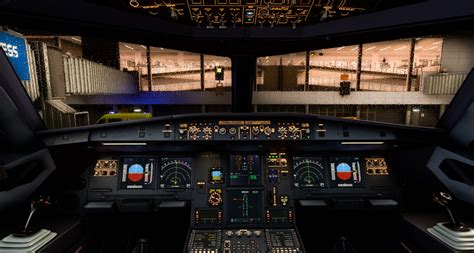
Airbus A320 Family Faces Continuing Scrutiny
Concerns surrounding contaminated cabin air are not new. Airbus A320-family aircraft have featured prominently in discussions about reported fume events, and research cited in previous investigations has suggested that the family accounts for a disproportionately large share of reported incidents relative to its representation in the commercial fleet.
The issue has generated debate among pilots, flight attendants, engineers, manufacturers, regulators, and researchers for years. Reported symptoms can vary considerably, and establishing a direct medical link between an onboard exposure and subsequent illness can be difficult. That makes each incident dependent on detailed evidence, including aircraft maintenance records, environmental-control-system inspections, crew medical assessments, and reports describing odors or other unusual conditions.
For Frontier, the immediate priority is determining what happened aboard N706FR and ensuring that the aircraft is safe before returning it to passenger service. The need to replace the affected cabin crew also adds another operational complication. Even if the aircraft itself requires no major repair, Frontier would need a medically fit replacement crew before the A321 could resume flying.
What Happens Next for the Frontier A321
The aircraft’s extended grounding provides investigators and maintenance personnel with an opportunity to examine the jet rather than immediately returning it to the schedule. Inspections could help determine whether there were abnormalities involving the engines, seals, air-conditioning packs, ventilation systems, or other components associated with cabin air.
At present, the cause of the Frontier Airlines incident remains unconfirmed. The fact that four of five flight attendants became sick simultaneously is striking, but it should not by itself be treated as proof of toxic exposure. Other environmental, medical, or operational factors could potentially produce similar symptoms.
What makes the event significant is the scale of the crew response: four flight attendants became ill during a single flight, two required hospital treatment, and the aircraft subsequently remained grounded. Until maintenance findings and medical information establish what caused the symptoms, a suspected fume event remains an important possibility rather than a confirmed explanation.