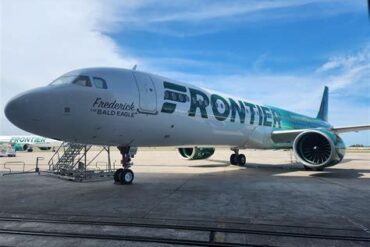
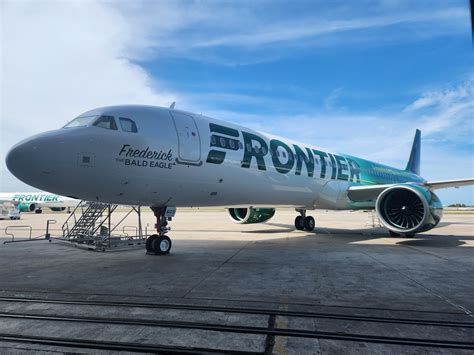
On the afternoon of June 18, 2025, a routine flight operated by Frontier Airlines took a dramatic turn shortly after departing from Orlando International Airport (MCO). The Airbus A321, flying as Flight 1824 en route to San Juan International Airport (SJU), was forced to return to Orlando after an unusual and unexplained odor filled the cabin, prompting safety concerns and medical attention for several crew members.
Incident Overview: Unusual Odor Disrupts Flight 1824
The Airbus A321 took off at 15:31 EST, but within an hour, the aircraft made a swift return to its point of origin. According to data from FlightAware, the aircraft completed its turnaround flight in just over an hour. The jet, registered as N708FR, is a relatively new addition to the Frontier fleet, having served the carrier exclusively since being delivered from Hamburg, Germany.
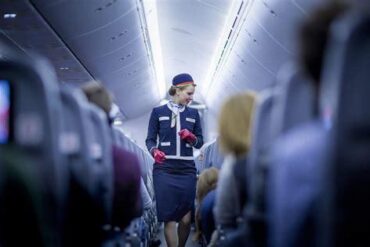
Initial reports indicate that no passengers required medical assistance, yet four flight attendants on board experienced symptoms severe enough to seek immediate medical treatment upon landing. Details surrounding the nature of the odor remain unclear, but it was significant enough to prompt the grounding of the aircraft for further inspection and maintenance assessment.
Safety Protocols in Action: Emergency Response and Crew Health
Upon landing safely back at MCO, the aircraft was met by emergency services. The flight crew followed established safety protocols, quickly communicating with ground control and executing a safe landing. Frontier Airlines issued a brief statement:
“The plane landed safely and no passengers requested medical attention. However, the four flight attendants did seek medical treatment. A replacement aircraft and crew is being arranged and the flight is expected to proceed to San Juan later this evening.”
While the airline has not disclosed the symptoms experienced by the crew, exposure to cabin odors can trigger a variety of health reactions—ranging from headaches and dizziness to respiratory distress, depending on the source and intensity of the fumes.
A Troubling Trend: Cabin Odors in Modern Airliners
This incident is not an isolated one. Earlier in 2025, a Delta Air Lines Airbus A321 (Flight 2090) was similarly forced to divert due to a cabin odor. While both incidents concluded without harm to passengers or significant aircraft damage, they highlight a recurring problem that remains poorly understood.
Possible causes for cabin odors on modern jetliners include:
- Oil or hydraulic fluid leaks from engine systems
- Overheated avionics or electrical components
- Contaminated air supply from bleed air systems
- Chemical fumes from deicing fluids or cleaning agents
Without a definitive public statement or technical assessment, speculation continues. Frontier Airlines has grounded the aircraft involved, likely initiating a full inspection of air conditioning systems, engine bleed valves, and filtration mechanisms.
Frontier’s Airbus A321neo Fleet and Engine Selection
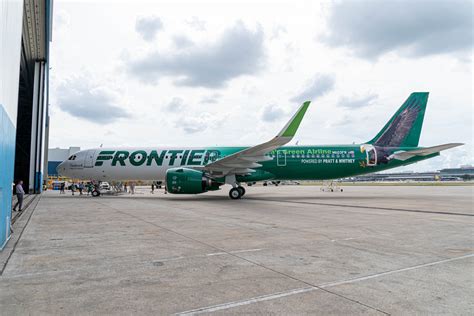
The aircraft involved in the incident is part of Frontier’s growing fleet of Airbus A320neo family jets, which includes the A319neo, A320neo, and A321neo. Frontier is now the largest operator of the A320neo family in the United States, with over 130 aircraft in active service.
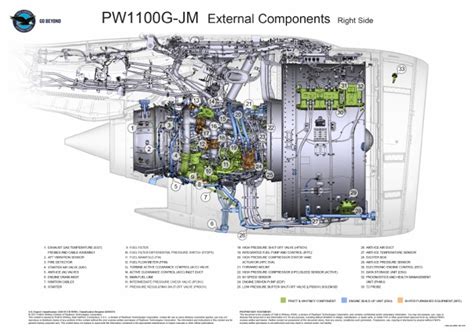
Powering these jets are Pratt & Whitney PW1000G Geared Turbofan (GTF) engines, which promise improved fuel efficiency and reduced emissions. Frontier’s choice of the GTF engine over the competing CFM LEAP-1A aligns with their low-cost, high-efficiency business model. As of June 2025:
- 53 A321neos in Frontier’s fleet are GTF-powered
- An additional 181 A321neos are on order
- Frontier also expects delivery of 26 A320neos with the same engine configuration
These engines are part of a broader airline strategy to modernize their fleet, cut costs, and expand routes while maintaining low ticket prices.
A Closer Look at the Pratt & Whitney GTF Engine Program
Though the Pratt & Whitney PW1000G engine has been hailed for its fuel efficiency and environmental performance, it has not been without controversy. Airlines such as Spirit Airlines have faced groundings of dozens of A320neo aircraft due to premature wear and component failures in GTF engines. Spirit currently has 36 of its 91 A320neo aircraft grounded for engine-related issues.
The shared use of GTF engines between Frontier and Spirit—and their collective emphasis on the A320neo family—raises questions about the potential role these engines might play in odor-related incidents. While there’s no evidence tying the June 18 odor to the engine directly, the source of bleed air, used to pressurize and ventilate the cabin, originates from the engine. Any contamination within this system could lead to perceptible odors or fume events inside the aircraft.
The Bigger Picture: Growth Amid Growing Pains
Despite this and other isolated incidents, Frontier remains aggressively committed to growth. At the 2025 Paris Air Show, the airline confirmed its intent to expand, placing a massive order of 253 Pratt & Whitney GTF engines for upcoming aircraft deliveries. This comes in tandem with orders from Wizz Air, another major A321neo operator, which committed to 453 engines for its own fleet.
The underlying driver? The GTF’s ability to reduce fuel burn by up to 16%, an attractive prospect for ultra-low-cost carriers (ULCCs) trying to stay profitable in a hyper-competitive environment.
Health and Accountability: What Comes Next for Frontier?
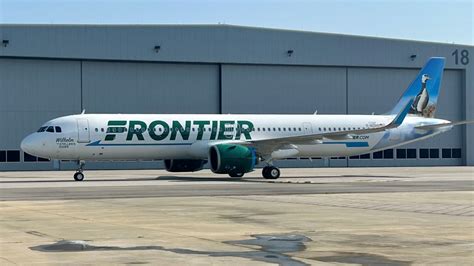
With four of its crew seeking medical care, Frontier is now under pressure to reassess its safety protocols, maintenance standards, and fleet readiness. The Federal Aviation Administration (FAA) is expected to review the incident, and while passengers were not directly affected, cabin crew exposure raises concerns about occupational health protections.
The health status of the flight attendants remains undisclosed. In previous similar cases, crew members have reported long-term effects after exposure to unknown cabin fumes. Some aviation safety advocates have pushed for increased monitoring equipment on planes to detect air contamination in real-time, but adoption has been slow.
Passengers, for their part, appear to have been minimally impacted in this case. Replacement arrangements were made, and the flight to San Juan resumed later the same evening. However, the psychological effect of being on a flight that turns around mid-air is not insignificant and often leads to a temporary drop in passenger confidence.
Final Thoughts: Vigilance in the Skies
As Frontier continues to grow and modernize its fleet, incidents like the June 18 cabin odor event serve as cautionary reminders. New engines and airframes may offer fuel efficiency and cost savings, but maintenance diligence, crew safety, and passenger trust must remain central to any low-cost carrier’s operations.
The next steps for Frontier include:
- A transparent investigation into the odor source
- Potential FAA follow-up audits
- Improved crew training on fume event response
- Consideration of air quality monitoring technologies for future aircraft
While the affected flight attendants recover and investigators comb through technical data, the aviation community watches closely. Any clue into what caused the odor—and how to prevent it—could prove critical in maintaining confidence in the Airbus A321neo and its pivotal Pratt & Whitney GTF engines.