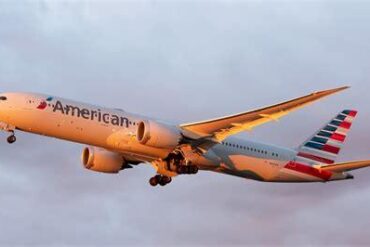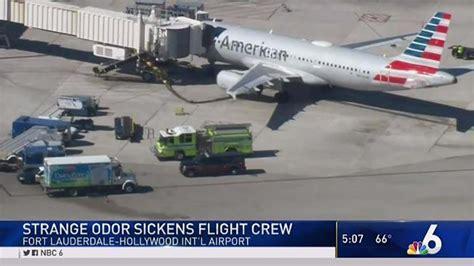
On the evening of Friday, June 28, 2025, Charlotte Douglas International Airport—a major transportation hub and the second-largest base for American Airlines—plunged into disarray after a mysterious, pungent odor led to the hospitalization of seven crew members and multiple airport personnel. The incident unfolded as American Airlines Flight 2055, scheduled to fly from Charlotte to Los Angeles, became the epicenter of a potentially hazardous exposure that remains under investigation.
The chaos began just before boarding, when passengers reported a strange smell near the gate area. Within minutes, symptoms of inhalation distress began surfacing among crew and ground staff. Emergency medical teams rushed to the scene, leading to the swift hospitalization of the affected individuals. Though all have since been released, the alarming nature of the incident raised urgent questions about airport safety protocols and the integrity of air circulation systems.
Unmasking the Incident: What Sparked the Panic?
According to American Airlines, the odor was first detected by travelers in the boarding zone. As complaints intensified, the airline and airport authorities began evacuating the immediate area. Symptoms among staff ranged from headaches and dizziness to respiratory distress, prompting emergency responders to treat and transport the victims to nearby medical facilities. Though authorities have yet to determine the specific cause, early speculation points to a possible jet fuel vapor leak or exposure to another type of airborne chemical agent.
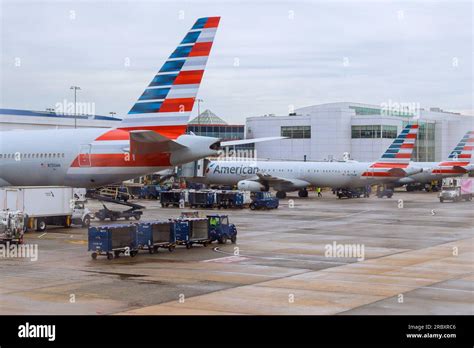
The airline swiftly removed the aircraft from service, launching a full technical inspection to rule out any mechanical or environmental faults. Charlotte Douglas International Airport, already dealing with system-wide technical glitches, was thrown into deeper operational chaos, resulting in an unprecedented 731 delayed flights and 132 cancellations in a single evening.
Charlotte Airport Gridlock: Travelers Left Stranded and Confused
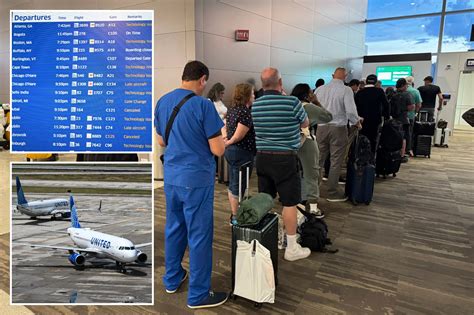
For the thousands of travelers caught in transit, the incident was a logistical nightmare. Already hampered by ongoing technology issues impacting flight boards and baggage handling, the mysterious odor event compounded delays and cancellations across terminals. Passengers stranded at gates reported limited communication from staff, long lines, and scarce hotel availability due to the sudden spike in grounded flights.
Families heading for vacation, business travelers on tight schedules, and international tourists alike bore the brunt of the confusion. With some flights rescheduled up to 48 hours later, passenger frustration mounted, and social media lit up with firsthand accounts of the bedlam.
Safety Response: Quick Action, Lingering Concerns
Despite the overwhelming nature of the event, both American Airlines and Charlotte Douglas officials received initial praise for their rapid emergency response. First responders arrived on-site within minutes, and the aircraft was taken out of commission immediately. However, lingering concerns persist regarding the airport’s preparedness for hazardous material exposure.
Officials have not confirmed whether ventilation systems were tested for contamination or if toxicology screenings were conducted on affected individuals. Moreover, questions remain unanswered about why odor exposure was not detected earlier through standard monitoring procedures. If the source was indeed jet fuel or another volatile chemical, it raises critical issues regarding maintenance routines, airport fueling procedures, and the adequacy of crew safety training in crisis conditions.
Was This Preventable? The Broader Implications for Aviation Safety
Charlotte Douglas International Airport serves more than 50 million passengers annually and plays a crucial role in connecting domestic and international routes. A disruption of this magnitude highlights the vulnerabilities inherent in complex aviation ecosystems. Whether due to human error, equipment failure, or external contamination, such incidents reverberate across the air travel network, leading to cascading disruptions.
Furthermore, the potential exposure to hazardous fumes onboard or near an aircraft brings renewed scrutiny to air quality standards in confined travel environments. Airlines are equipped with HEPA filters and safety mechanisms, but a leak or exposure event near the fuselage or fueling area can bypass these systems, endangering passengers and crew alike.
Tourists and Travelers: Left in the Lurch
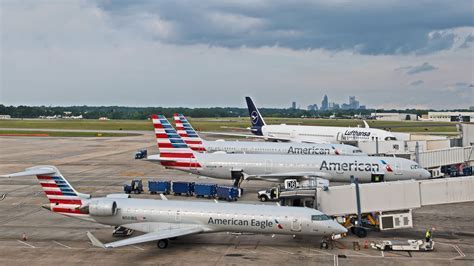
Tourists attempting to depart Charlotte—or simply pass through on connecting flights—were especially affected. Some missed tours, cruises, and international departures due to cascading delays. Others who had limited vacation windows faced tough decisions: rebook later or abandon their plans altogether. For business travelers, contractual penalties, missed meetings, and operational delays became unavoidable.
Even those visiting Charlotte itself found their stay upended. Hotel lobbies were inundated with travelers scrambling for last-minute bookings, while rideshare demand surged beyond capacity. The city’s tourism infrastructure, already strained by summer travel volumes, was pushed to the brink by the domino effect of a single, mysterious odor.
Lessons for Passengers: How to Navigate Future Disruptions
This high-profile incident serves as a critical reminder for passengers to travel smart. While no one can predict exposure to toxic odors, proactive measures can reduce travel stress during airport emergencies.
- Stay connected through airline and airport mobile apps for real-time updates on delays, gate changes, and emergency notices.
- Invest in robust travel insurance that covers medical emergencies, cancellations, and hotel stays.
- Allow buffer time around your itinerary, especially when traveling through large hub airports.
- Engage with customer service immediately in the event of a disruption—early contact often secures better rebooking or compensation options.
American Airlines has already offered rebooking accommodations and refund options to passengers affected by Flight 2055. However, the long-term impact on customer trust and loyalty remains to be seen.
A Wake-Up Call for Airport and Airline Preparedness
The Charlotte incident joins a growing list of safety scares at U.S. airports in recent years, from smoke inhalation events to chemical spills and in-cabin electrical fires. Each event underscores a pressing need for airports to reevaluate emergency protocols.
Charlotte Douglas and American Airlines have not confirmed whether the source of the odor was definitively identified, and federal investigators are still examining chemical trace samples, maintenance logs, and fueling records to determine accountability.
Until results are published, passengers and flight crews are left with more questions than answers. Why did it take passengers to report the odor? Why wasn’t the plane removed sooner? What monitoring systems failed, if any?
Looking Ahead: Will This Incident Trigger Reform?
While the incident has not resulted in fatalities, the visuals of emergency crews evacuating affected personnel, grounded aircraft, and overwhelmed terminals have sparked renewed calls for action. Advocacy groups have already begun pressing the Federal Aviation Administration (FAA) to revisit air quality monitoring regulations and mandate more transparent reporting of similar events.
Passenger unions and flight attendant organizations are also voicing concerns. Many argue that flight crews need greater access to protective equipment, improved environmental hazard training, and health monitoring protocols post-exposure.
As the summer travel season continues, airlines across the U.S. may now face added pressure to improve aircraft maintenance oversight and airport coordination strategies. For Charlotte Douglas in particular, this incident may serve as a catalyst for infrastructure upgrades and procedural audits.
Conclusion: A Crisis That Could Have Been Worse—But Should Never Happen Again
In the end, the odor incident aboard American Airlines Flight 2055 exposed far more than chemical fumes—it revealed critical gaps in airport safety and crisis management. Though the individuals hospitalized have recovered, and operations resumed, the psychological and logistical toll on passengers, staff, and first responders was profound.
This event reinforces the need for robust, preemptive safety frameworks, not only to prevent future occurrences but to maintain public confidence in air travel. As investigations continue and stakeholders assess the damage, one truth is clear: modern airports and airlines must evolve beyond reactive measures and embrace proactive, science-driven safety innovations.
Until then, travelers are advised to stay alert, stay informed, and be prepared—because in aviation, even a faint smell can send shockwaves around the world.