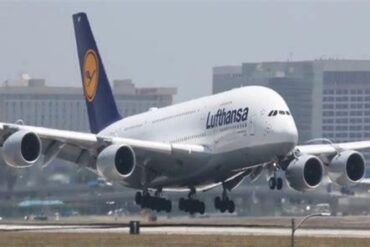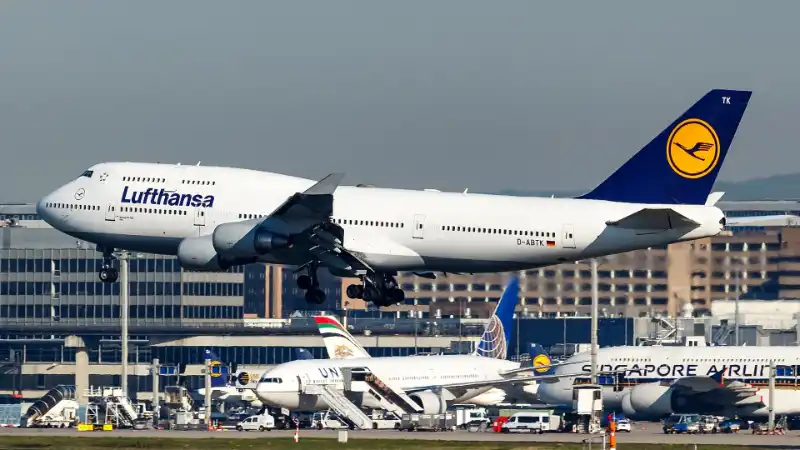
Lufthansa Flight LH470, operating a Boeing 747-400, was forced to abort its transatlantic journey on July 12, 2025, returning to Frankfurt Airport (FRA) just over an hour into the flight after a mysterious and alarming smell resembling burning plastic filled the cabin. The aircraft, registered as D-ABVM, was en route to Toronto Pearson International Airport (YYZ) when the flight crew, acting with caution, made the decisive call to reverse course and head back to Germany’s busiest aviation hub.
The incident occurred at 36,000 feet, just as the aircraft was cruising off the northeastern coast of England near Newcastle, prompting immediate safety protocols despite the absence of technical alerts or signs of fire.
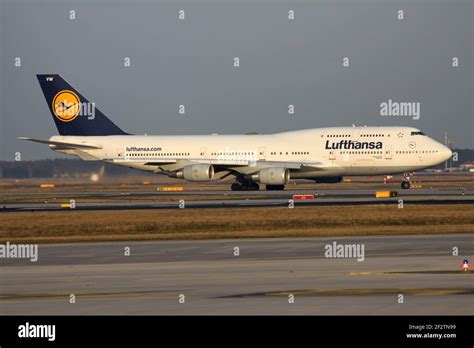
The Unseen Threat: Strange Odor Raises Alarms Mid-Air
Roughly an hour and thirty-two minutes into the journey, the cockpit crew and cabin attendants began detecting a distinct smell that was later described as “hot plastic” — a smell often associated with electrical component failure or overheating insulation. The crew’s swift action, despite having no instrument warnings or evidence of smoke, signaled a proactive safety-first approach by the German flag carrier.
Passengers reportedly remained calm as the flight path shifted, redirecting from its northwest trajectory toward the North Sea back toward central Europe. The odor did not intensify, but its persistence and unknown origin compelled the crew to return to Frankfurt, where comprehensive inspections could be conducted by Lufthansa’s ground maintenance teams.
Decision-Making in the Sky: Why Frankfurt Was Chosen Over Other Diversion Airports
The Boeing 747-400, having already crossed into Dutch airspace, had several potential diversion airports within reach, including Amsterdam Schiphol and Brussels. However, the crew opted for a return to Frankfurt, a move informed by three key operational considerations:
- Proximity to Lufthansa’s Main Technical Hub: Frankfurt Airport houses Lufthansa Technik, equipped with full diagnostic and repair capabilities specific to the airline’s fleet, including its aging 747-400 series.
- Passenger Care Logistics: With over 350 passengers on board, rerouting back to the origin airport ensured smoother re-accommodation, rebooking, and customer support.
- Controlled Diagnostic Environment: Returning to Frankfurt guaranteed access to Lufthansa’s full maintenance resources, allowing an exhaustive technical inspection without the time pressure or logistical complications of a third-party airport.
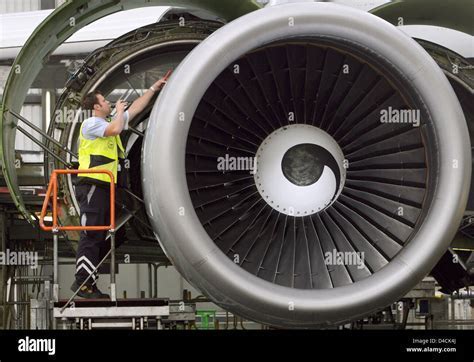
Aircraft Specifications and Flight Data at Time of Incident
The affected aircraft, D-ABVM, is a 27.5-year-old Boeing 747-400, one of the older wide-body jets still in active service by major carriers. Despite its age, it has consistently passed safety checks and fulfills long-haul missions on high-density routes.
Key flight statistics at the time of diversion include:
- Cruising Altitude: 36,000 feet
- True Airspeed: 472 knots
- Flight Path Heading: 330°
- Time in Flight Before Diversion: 1 hour 32 minutes
Flight tracking data confirms that the plane had just passed over the Netherlands and was nearing the coast of northeast England when the turnaround began. Air traffic control assisted in granting an expedited return path to Frankfurt.
Emergency Response Upon Landing
Upon landing at 16:20 UTC, the aircraft was met by airport fire services and Lufthansa’s emergency technical crews. Though the return flight was not classified as an official emergency — since no onboard system detected fire or overheating — thermal imaging and manual inspections were immediately initiated.
Crews found no visible fire, no excessive heat readings, and no significant anomalies in the cabin or electronic systems. However, a cautious approach mandated that the aircraft be removed from service for further investigation.
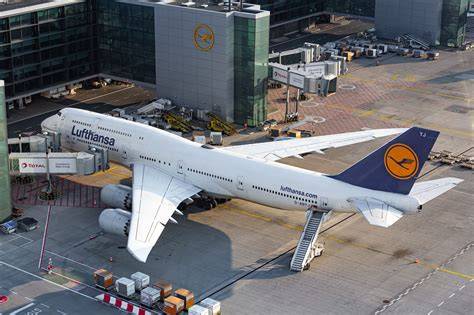
Potential Sources of the Odor: A Technical Gray Zone
While the absence of mechanical faults is reassuring, mysterious odors in-flight are a recognized aviation red flag. Scents reminiscent of burning plastic may stem from numerous hidden sources, including:
- Electrical Wiring or Insulation Overheating
- Faulty Galley Equipment
- Overloaded Power Outlets or Cabin Systems
- Air Conditioning Pack Malfunctions
The Boeing 747’s Environmental Control System (ECS), which conditions and circulates air within the pressurized cabin, is also a known potential culprit in cases of strange smells. Leaks or electrical faults in this system can emit odors without triggering alarms.
Though Lufthansa has not released an official root cause, engineers and safety specialists continue to perform diagnostics to rule out serious systemic risks.
A Wake-Up Call for Aging Aircraft?
The incident underscores the challenges of operating older aircraft in modern fleets. Lufthansa’s 747-400s, some approaching three decades in service, are regularly maintained but may face component fatigue or subtle system degradation over time.
In this case, even though the aircraft continued to perform within normal flight parameters, the invisible nature of the issue prompted concerns. In aviation, such unknowns can be more dangerous than clearly identified faults.
The absence of an in-flight alert from fire detection or cabin pressure systems indicates a potential blind spot in traditional warning systems, further reinforcing the importance of human observation and intuition.
Crew Judgment and Lufthansa’s Safety Culture
Lufthansa’s flight crew displayed exemplary judgment, choosing caution over complacency. By returning to Frankfurt under non-emergency conditions, the crew adhered to the highest standards of risk management.
While some airlines may have considered pressing forward or landing at a closer regional airport, Lufthansa’s commitment to operational integrity — backed by decades of a strong safety culture — likely influenced the final call.
The International Civil Aviation Organization (ICAO) and European Union Aviation Safety Agency (EASA) both encourage proactive measures in uncertain conditions, emphasizing that preventive actions are critical, even in the absence of concrete failures.
Industry Implications: Reinforcing Best Practices
This incident serves as a real-world case study on the effectiveness of non-alarm-based flight safety decisions. As aircraft become more automated, reliance on digital alerts can sometimes override intuition and experience.
In the wake of recent aviation mishaps globally, experts argue that return-to-base decisions in non-critical scenarios should not be seen as overreactions but rather as prudent responses that can avert larger tragedies.
Lufthansa’s actions also reinforce the importance of investing in ground infrastructure — having access to state-of-the-art maintenance and diagnostics facilities proved essential in managing the situation without disruption.
Conclusion: Prioritizing Passenger Safety Over Schedule
What began as a routine flight to Toronto turned into a sharp reminder that aviation safety is multilayered. From advanced onboard sensors to old-fashioned human observation, the layers function in tandem to protect passengers and crew.
Lufthansa’s decision to abort the transatlantic leg of LH470 was not born out of technical failure but rather precautionary excellence — a fact that speaks volumes about the airline’s operational philosophy.
In the airline industry, uncertainty demands action, and Flight LH470 will be remembered as an incident where foresight trumped urgency. The burning plastic odor may have been elusive, but its message was clear: safety isn’t optional — it’s paramount.