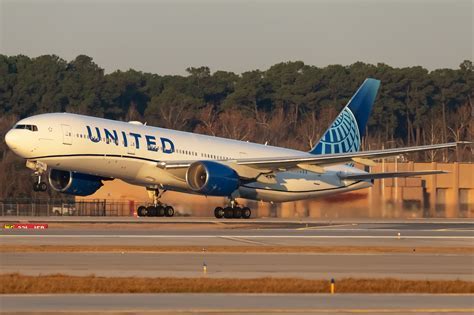
On the morning of Saturday, June 21, 2025, a United Airlines Boeing 777-200 operating as Flight UA803 bound for Tokyo Narita Airport (NRT) was forced to make an emergency return to Washington Dulles International Airport (IAD) due to engine overheating shortly after takeoff. The event, which unfolded just minutes into the transpacific journey, underscores both the challenges of maintaining aging aircraft and the precision of modern aviation emergency protocols.
The flight had barely climbed past 4,000 feet when the cockpit crew detected abnormally high temperatures in the aircraft’s Pratt & Whitney PW4090 engine. The overheating triggered a swift and deliberate response. Following standard operating procedures, the pilots communicated with air traffic control and initiated a turn back to Dulles, prioritizing safety and passenger well-being.
Immediate Response and In-Flight Developments
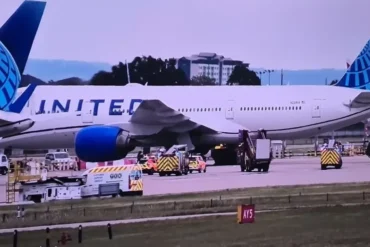
Upon recognizing the anomaly, the flight crew of UA803 elected to level off rather than continue climbing. This maneuver is a textbook response for engine irregularities, allowing the crew to troubleshoot and minimize risk. Flight tracking data from FlightAware revealed a brief holding pattern, likely to burn fuel and prepare for a safer landing. Ultimately, the aircraft executed a controlled descent and landed on Runway 01R, where emergency crews stood by as a precaution.
The Boeing 777-200, bearing the registration N798UA, safely taxied to a gate where all passengers were deplaned without injury. The incident, though unnerving for those aboard, showcased the efficiency of United’s emergency management protocols. Passengers were later rebooked on a different aircraft, continuing their journey to Tokyo with a 2.5-hour delay.
Aircraft History and Maintenance Status
The aircraft in question has been in service for over 27 years, one of the elder statesmen in United’s fleet. Despite its age, the 777-200 has long been known for robust engineering and transoceanic reliability. However, as aircraft age, the complexity of maintenance increases, particularly with engines and critical systems exposed to high operational stress.
As of this report, N798UA remains grounded at Dulles. United Airlines has not disclosed the full extent of repairs needed, though maintenance crews are reportedly conducting extensive diagnostics on the overheated engine. Whether the aircraft will return to service or face retirement has not been confirmed.
Similarities to Previous Incidents
The emergency return of UA803 echoes a more severe event from February 2021, when another United Airlines Boeing 777-200, powered by the same engine model, experienced an uncontained engine failure shortly after takeoff from Denver International Airport. That flight shed debris over residential neighborhoods, prompting a temporary grounding of all 777s using Pratt & Whitney PW4000-series engines by both United and the FAA.
While the June 2025 incident did not result in engine disintegration or external damage, it reopens scrutiny on these aging engine models. Industry experts have pointed out that the PW4090, though powerful, demands rigorous and frequent inspections, particularly in aircraft exceeding two decades of service. The FAA is expected to review the incident data closely to determine whether further regulatory action is warranted.
Flight Crew Decision-Making and Safety Protocols
The incident highlights the critical role of pilot training and decision-making under pressure. The crew’s rapid recognition of the overheating engine and their adherence to emergency procedures were central to the safe outcome. Aviation safety is built on redundancy and rehearsal, and UA803 stands as a case study in effective real-time crisis management.
Aviation insiders often reference the adage that “safety regulations are written in blood”, meaning that modern protocols stem from historical tragedies. In this case, the lack of injuries and the seamless resolution underline how prior lessons have shaped robust response mechanisms.
The Role of Pratt & Whitney PW4090 Engines
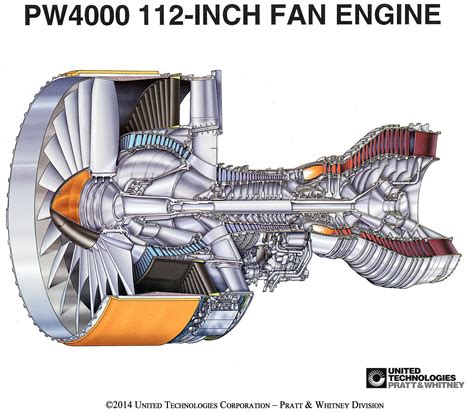
The PW4090 engine is part of the PW4000 family, a workhorse series used in various widebody aircraft since the 1990s. Known for its high thrust capacity and reliability, the engine has nonetheless faced increased regulatory scrutiny following notable failures, particularly when installed on older Boeing 777-200s.
Following the 2021 Denver incident, the FAA mandated ultrasound inspections of fan blades for all PW4000 engines. While those protocols remain in place, this new incident may trigger enhanced monitoring requirements or accelerated retirement timelines for certain engine-airframe combinations.
Boeing 777-200’s Continued Relevance
Despite nearing three decades of service, the Boeing 777-200 continues to be a backbone of United Airlines’ long-haul international fleet. The model is particularly prized for its range, fuel efficiency (relative to older jets), and payload capacity, making it ideal for transpacific and intercontinental missions. United’s 777-200s regularly connect hubs such as San Francisco, Chicago, and Washington D.C. to destinations in Asia, Europe, and South America.
While Boeing ceased production of the 777-200 years ago, it remains in widespread use globally. Airlines including United have expressed intent to phase out older models gradually as newer aircraft like the Boeing 777X enter service. However, given supply chain challenges and delivery delays across the industry, many 777-200s will likely remain operational well into the late 2020s.
Passenger Reactions and Onboard Experience
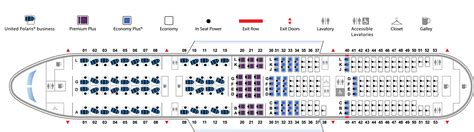
Passenger accounts from Flight UA803 indicate calm professionalism by the cabin crew, who reportedly provided timely updates and reassurance throughout the ordeal. Despite the emergency situation, there was no sign of panic aboard the aircraft. One passenger described the experience as “unsettling but very controlled,” noting that crew members maintained a composed demeanor that helped alleviate anxiety.
United Airlines issued a statement expressing regret for the inconvenience but emphasized the successful execution of safety protocols and the safe continuation of the passengers’ journey aboard a replacement aircraft. No compensation packages have yet been announced, but the airline is expected to follow standard rebooking and reimbursement procedures for affected travelers.
Regulatory and Industry Implications
While isolated, this incident will feed into ongoing regulatory reviews by agencies such as the Federal Aviation Administration (FAA) and National Transportation Safety Board (NTSB). With mounting pressure to address the risks posed by aging fleets, particularly those involving legacy engine models, this case may accelerate discussions about airframe retirement policies and predictive maintenance analytics.
In parallel, engine manufacturer Pratt & Whitney may face increased scrutiny regarding inspection protocols, software monitoring thresholds, and parts replacement schedules. Industry observers will watch closely to see whether broader directives are issued, especially concerning aircraft operating in high-demand, long-haul sectors.
Conclusion: Professionalism and Protocol Prevented Tragedy
The emergency return of United Airlines Flight UA803 to Dulles International Airport offers a textbook example of aviation safety protocols in action. Though the incident was not as dramatic as previous engine failures, its implications are equally important. The professionalism of the flight crew, the design resilience of the Boeing 777-200, and the responsiveness of United’s operations staff collectively ensured a safe and effective resolution.
As aircraft age and maintenance complexities increase, airlines must continuously adapt, investing in preventive technologies and rigorous crew training. This incident serves not as a warning but as a reaffirmation that the aviation system, when operating as designed, can manage serious technical issues without catastrophe.
With no injuries, minimal delays, and valuable data gathered, this incident may ultimately contribute to improved procedures and heightened awareness throughout the industry. It is a reminder that aviation safety is never static—it is a dynamic system, built on experience, vigilance, and constant evolution.