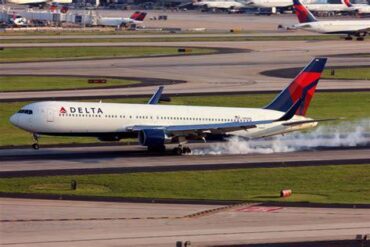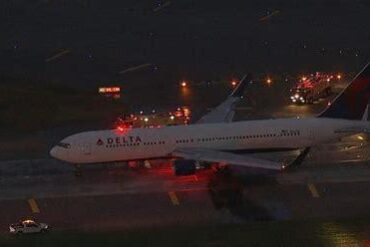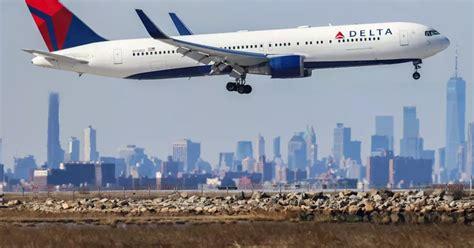
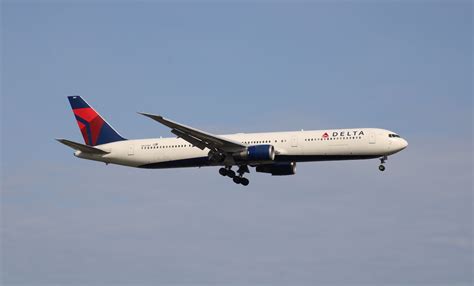
A Delta Airlines flight en route from Los Angeles to Atlanta was forced into an emergency return on July 18, 2025, after a sudden engine fire erupted shortly after takeoff. The Boeing 767-400ER, operating as Flight DL446, departed Los Angeles International Airport (LAX) on time, but within minutes, the crew detected an anomaly in the left engine, prompting a swift and well-coordinated emergency response that averted potential disaster.
Immediate Crisis at Altitude: Engine Ignites Shortly After Takeoff
Flight DL446, with registration number N836MH, had just cleared initial ascent over the Pacific Ocean when cockpit indicators signaled a critical issue with the left engine — a General Electric CF6 powerplant. Flames were soon visible from the engine nacelle, captured on live streams and confirmed by ground observers. The pilots responded with precision: declaring an emergency, requesting immediate priority return to LAX, and initiating established engine fire procedures.
Radar tracking data revealed the aircraft making a tight loop over the Downey and Paramount areas, maintaining a safe altitude while preparing for landing. The fire was not only visible to radar observers but also to thousands of viewers watching the incident unfold in real time on aviation enthusiast livestreams, including the widely followed “LA Flights” YouTube channel.
Fire Crews Mobilized: Emergency Teams on High Alert
Air traffic controllers, trained for such scenarios, swiftly coordinated with Los Angeles World Airports (LAWA) emergency services. Specialized units, including ARFF2 and fire rescue vehicles 089 and 0870, were deployed to the runway area designated for the aircraft’s arrival. The situation demanded an all-hands response: flames were visible as the aircraft descended, raising fears of possible structural damage or system failure.
Despite the gravity of the situation, the pilots maintained composure, communicating with air traffic control while managing flight systems. Upon landing, the aircraft came to a controlled stop. Fire crews approached swiftly, conducting visual and infrared inspections to confirm that the flames had been extinguished. No fuel leaks or secondary hazards were found.
Passengers Calm, Crew Professional Amid High Tension
Onboard, passengers remained calm thanks to the composed demeanor of the crew. According to several travelers, the captain made multiple announcements, explaining the situation clearly and reassuring everyone about the steps being taken. The cabin crew prepared the cabin for a possible emergency landing but managed the process with professionalism, easing passenger anxiety.
Aircraft Background: Aging Jet Still in Active Service
The aircraft involved, Boeing 767-432(ER) N836MH, is more than 24 years old, having entered service in 2000. While the aircraft remains airworthy and is regularly maintained under FAA oversight, its age places it among the older members of Delta’s wide-body fleet. The Boeing 767 remains a workhorse on both domestic and international routes, particularly where cargo and range requirements are balanced with fuel efficiency.
Equipped with General Electric CF6 engines, the 767 has a long record of reliability. However, engine fires, though rare, do occur — often linked to component failure, fuel leak ignition, or unexpected foreign object damage (FOD). FAA regulations mandate redundant systems and immediate fire suppression mechanisms, which performed as designed during this incident.
Eyewitness Footage Draws Attention Across Media
Perhaps one of the most striking aspects of the event was the real-time coverage by aviation watchers. The “LA Flights” channel streamed the aircraft’s approach and landing, with visible flames trailing from the engine cowling. The video quickly gained traction across social media platforms, attracting attention from global aviation experts and safety analysts.
Segments of air traffic control recordings also surfaced, revealing the calm and measured tones of both the pilots and controllers. These clips have been dissected by aviation professionals, praising the procedural accuracy and effective crisis communication.
Previous Incident Highlights Pattern of Risk
This emergency comes just months after a similar engine fire incident involving another Delta aircraft. On January 1, 2025, Flight DL105, operating an Airbus A330-900neo (N408DX), experienced a left engine fire shortly after departing Atlanta en route to São Paulo. Though less dramatic and without a formal emergency declaration, the flight returned safely with heavy landing protocols in place.
While two such events within a single calendar year may raise eyebrows, experts caution against drawing premature conclusions. Delta, like all major carriers, is subject to stringent FAA and internal safety audits. Aircraft undergo scheduled maintenance checks, and emergency procedures are drilled repeatedly across the fleet’s crews.
Investigation Underway: Scrutiny from FAA and Delta Safety Board
The Federal Aviation Administration (FAA) and Delta’s internal safety review board have launched full investigations into the DL446 incident. The engine in question will be disassembled for analysis. Key factors under review include:
- Condition of the engine’s fire suppression system
- Maintenance logs and recent inspections
- Onboard sensor data and cockpit voice recordings
- Possible foreign object damage (FOD) on takeoff
Initial findings will help determine whether this incident was isolated or indicative of a broader issue. FAA findings are typically made public, contributing to ongoing efforts to improve global aviation safety standards.
Industry Implications and Passenger Trust
The aviation community continues to evolve with every near-miss or high-profile event. Incidents like DL446 provide valuable insights into system resilience and operational discipline. Analysts have already noted that the crew’s handling of the situation aligns with best practices taught by leading aviation academies.
Passengers, for their part, are increasingly aware of the rigorous safety protocols that govern every commercial flight. While social media tends to amplify fear, post-incident surveys typically show stable or even increased confidence in airline reliability — particularly when emergency responses go smoothly and without injuries.
Delta’s public relations team has issued statements reaffirming its commitment to safety. The airline is expected to offer rebooking and travel vouchers to affected passengers, though no financial settlement has yet been reported.
What Happens Next: Aircraft Status and Fleet Review
As of this writing, aircraft N836MH remains grounded at LAX, undergoing detailed technical inspection and likely full engine replacement. Depending on the investigation’s outcome, Delta may opt to accelerate the retirement or upgrade of some older 767 models, despite their long and effective service history.
The FAA may also issue an Airworthiness Directive (AD) if systemic issues are uncovered — potentially affecting similar engine models across the U.S. fleet. Until then, Delta and regulators are expected to remain transparent with updates, reinforcing public trust and procedural accountability.
Conclusion: Averted Disaster Underscores Aviation Safety Strengths
The emergency return of Delta Flight DL446 was a dramatic but ultimately reassuring demonstration of modern aviation safety. From engine fire detection and emergency protocol execution to rapid landing and post-event coordination, each aspect of the incident reflected a well-honed system.
Though harrowing for those on board, the outcome underscores the power of training, maintenance, and multi-agency collaboration. As investigations move forward, the findings from this incident may strengthen safety measures further — reminding passengers and professionals alike that even under pressure, aviation remains among the safest modes of transportation on Earth.