On the night of July 15, 2025, JetBlue Airways Flight JBU637, an Airbus A321 en route from Santiago Cibao International Airport (STI) in the Dominican Republic to John F. Kennedy International Airport (JFK) in New York, faced a critical in-flight emergency when one of its engines experienced a stall shortly after takeoff. The incident prompted the flight crew to swiftly declare an emergency and return to JFK, showcasing the importance of quick decision-making, rigorous safety protocols, and seamless coordination between pilots and air traffic control.
Emergency Declared Shortly After Departure
The Airbus A321, tail number N999JQ, had departed from Santiago at approximately 8:23 PM local time when, climbing through 6,000 feet, the flight crew detected abnormal engine behavior in engine number two, an IAE V2500. The pilots quickly declared an emergency to New York Center air traffic controllers and requested to level off at 7,000 feet to stabilize the aircraft. Communication transcripts later released revealed calm, concise, and professional dialogue between the pilots and ATC, with the crew requesting vectors for an RNAV approach to runway 31L and even asking for a holding pattern to finalize checklists before making their approach.
Such coordinated communication demonstrates why training and composure in the cockpit are essential. By taking the time to ensure all safety measures were checked, the crew maximized the chances of a smooth and uneventful return.
A Calm but Urgent Approach to Safety
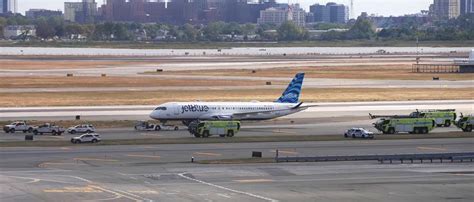
JetBlue Flight 637’s crew immediately implemented emergency protocols. Runway 31L at JFK was designated for the return, and emergency services were pre-alerted and positioned on standby. Fire and rescue teams awaited the arrival of the A321, fully prepared for any contingency. Fortunately, despite the tense situation, their assistance was ultimately not required.
Just 30 minutes after declaring an emergency, the flight successfully landed back at JFK. Passengers were understandably shaken but unharmed, and the landing was executed with remarkable precision under the circumstances. For an aircraft experiencing a single-engine shutdown shortly after takeoff, this was a testament to rigorous crew training and highly effective coordination with ATC.
Aircraft Details: A Reliable Jet with a Rare Incident
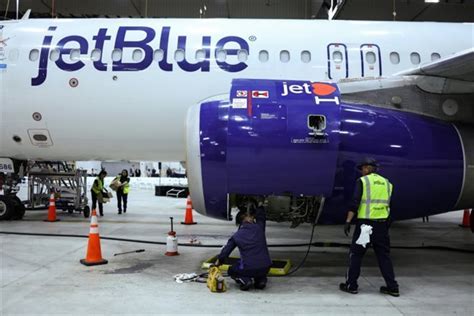
The Airbus A321 involved in the incident is 6.7 years old and powered by two IAE V2500 engines—a widely trusted choice in the industry known for their reliability and fuel efficiency. Engine stalls on these models are rare, and while the precise cause of the shutdown remains under investigation, such incidents often stem from mechanical faults, foreign object ingestion, or anomalies in fuel or airflow systems.
This occurrence underscores the significance of routine inspections and proactive maintenance. Modern airliners like the A321 are designed with layers of redundancy, ensuring that even in the case of an engine failure, the aircraft can continue to fly and land safely.
The Critical Role of Air Traffic Control
In aviation emergencies, the role of air traffic control (ATC) becomes vital. Controllers at New York Center provided immediate routing instructions, cleared surrounding airspace, and expedited JetBlue’s approach back to JFK. Their ability to maintain order while prioritizing an emergency flight allowed for a swift and safe return.
Such incidents highlight the teamwork between pilots and ATC. Without this coordination, emergencies could escalate quickly. ATC’s clear communication and rapid responses ensured that JBU637 faced no additional complications while returning to the airport.
Passenger Experience During the Incident
For the passengers onboard, the experience was undoubtedly frightening. Witness accounts indicate that while there was initial concern as the plane leveled off unexpectedly, the flight crew kept passengers informed throughout the process. Clear communication from the cockpit—explaining the engine issue, emergency return plan, and reassurance about safety measures—helped maintain calm.
While no official passenger statements have been released, JetBlue is expected to provide follow-up support to travelers, including rebooking and assistance for those affected by delays.
JetBlue’s Safety Record and Response
JetBlue Airways, a major U.S. carrier headquartered in Long Island City, Queens, prides itself on a strong safety record. Though mechanical issues can never be entirely eliminated in aviation, JetBlue’s proactive maintenance programs and stringent safety protocols are designed to minimize risks. The airline has not experienced a fatal accident in its history, a record that reflects the company’s deep commitment to safety.
In response to the incident, JetBlue issued an initial statement assuring that passenger safety remained the top priority and confirming that all standard emergency procedures were followed. Further details about the engine’s malfunction will likely emerge after a full technical investigation by JetBlue’s maintenance teams and possibly the Federal Aviation Administration (FAA).
Lessons for the Industry
This incident serves as a case study in aviation crisis management. Key lessons include:
- Crew training saves lives: The ability of the pilots to stay composed and execute procedures flawlessly prevented a potential escalation.
- ATC coordination is indispensable: Controllers played a decisive role in clearing the way for a safe return.
- Prepared emergency services matter: Having responders ready on the ground ensured that assistance was available if needed.
- Aircraft design redundancy works: Modern airliners are built to withstand even severe malfunctions, allowing crews to bring them home safely.
Conclusion: A Safe Return Amidst Crisis
Though the situation was alarming, JetBlue Flight JBU637’s emergency return stands as a testament to the effectiveness of modern aviation safety protocols. Within just half an hour, the crew turned a potentially catastrophic event into a controlled and safe landing, underscoring the reliability of both the Airbus A321 and JetBlue’s operational procedures.
For passengers, the scare will undoubtedly linger, but the fact remains: commercial aviation remains one of the safest modes of transport, largely due to the rigorous training, advanced technology, and coordinated teamwork demonstrated in situations like this one.
As the investigation continues, the aviation community will carefully review the findings to enhance safety protocols further. For now, this incident reminds us that even when faced with unforeseen mechanical failures, the combination of expert crew action, robust aircraft engineering, and flawless ATC collaboration ensures the safety of everyone onboard.