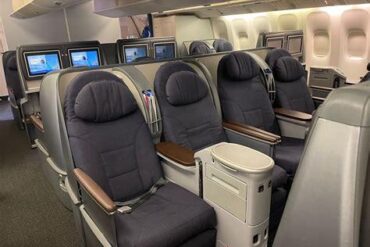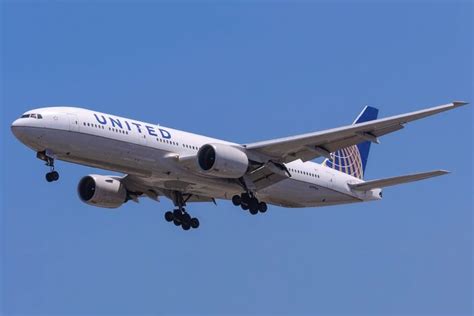
United Airlines Flight UA989, operating a Boeing 777-300ER, was forced to make an emergency landing at Halifax Stanfield International Airport (YHZ) on June 11, 2025, after a medical crisis erupted midair. The flight, originally scheduled to travel from Washington Dulles International Airport (IAD) to Frankfurt Airport (FRA), encountered the emergency approximately two and a half hours after takeoff, at 22:07 UTC.
The diversion came following a passenger’s sudden medical emergency that required immediate intervention. According to protocol, the flight crew alerted air traffic control, declared an emergency, and rerouted the aircraft to the nearest major airport—Halifax.
Medical Emergency Forces Unexpected Landing in Halifax
At first, passengers were informed that the landing in Halifax would be a brief stopover, estimated at around 30 minutes. However, what was initially seen as a swift medical intervention turned into a grueling seven-hour tarmac ordeal. As the passenger in need of medical assistance was evacuated and treated, the remaining passengers found themselves stuck onboard, with minimal communication from United Airlines staff.
The extended delay left travelers in limbo. There was no clear timeline, no explanation for the lengthening delay, and, crucially, no opportunity to deplane. Social media quickly lit up with posts from frustrated passengers, demanding answers.
Operational Challenges Compound the Crisis
The aircraft involved, Boeing 777-300ER with registration N2136U, had been in service for 8.3 years. Once the emergency medical situation was addressed and the aircraft refueled, ground engineers discovered a fuel imbalance between the aircraft’s wings—a serious issue that required recalibration before takeoff could resume.
While the crew and technical staff attempted to address the imbalance, another ticking clock emerged: crew duty time regulations. In accordance with international aviation standards, flight crews are limited to a specific number of working hours to prevent fatigue-related accidents. As the delay stretched beyond initial estimates, it became apparent the crew would exceed their maximum allowable duty time, rendering them ineligible to continue the flight.
The result was a full flight cancellation, leaving passengers grounded in Halifax overnight without clear direction or support.
Regulatory Framework: Passenger Rights During Tarmac Delays
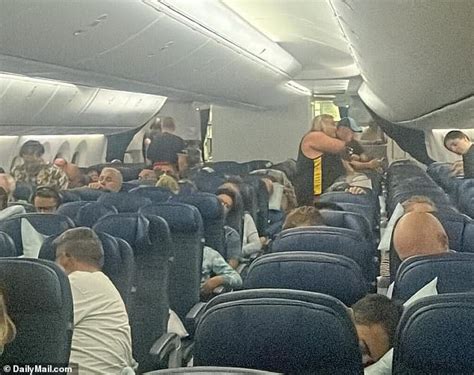
Both the United States Department of Transportation (DOT) and European Union Regulation 261/2004 outline strict protections for passengers during extended tarmac delays. In the U.S., airlines are prohibited from keeping passengers onboard for more than four hours without offering the option to deplane—except for reasons related to air traffic control or security. Additionally, passengers must be provided with food, water, functional lavatories, and 30-minute status updates after two hours of delay.
Similarly, EU laws entitle passengers to essential services and, in some cases, financial compensation if a delay or cancellation occurs due to factors within the airline’s control. United Airlines’ failure to offer the opportunity to deplane or consistently communicate updates likely violates these standards, potentially exposing the airline to regulatory scrutiny or penalties.
Comparison to Previous United Airlines Emergency in 2025
This incident echoes another United Airlines case earlier this year. In February, Flight UA36, traveling from Newark Liberty International Airport (EWR) to Edinburgh Airport (EDI), also faced a medical emergency mid-flight. The flight crew in that case declared a 7700 squawk code, the international signal for a general emergency.
Unlike the Halifax incident, ground medical personnel in Edinburgh were on standby, allowing the flight to land and offload the sick passenger without extensive delays. Flight UA36 continued to its destination with minimal disruption—a stark contrast to the chaotic and prolonged handling of UA989 in Halifax.
Growing Passenger Frustration and Online Backlash
The passengers aboard UA989 were subjected not only to a lengthy onboard delay, but also a lack of actionable information. Many recounted that crew members provided vague or infrequent updates, and no official communication came from United Airlines corporate until after the flight had been officially canceled.
Passengers were ultimately not permitted to leave the aircraft during the seven-hour wait, and once cancellation was confirmed, they were left without clear rebooking instructions, overnight accommodations, or transportation assistance. The mishandling sparked public outcry online, with passengers and travel advocates criticizing the airline’s response.
United Airlines Issues Statement Following the Incident
In the aftermath, United Airlines issued a public apology, stating that the incident was “deeply regrettable” and that a full review of internal procedures is underway. The airline acknowledged that its handling of the situation fell short of expectations and promised to improve protocols for tarmac delays and emergency response.
A spokesperson added that while the medical emergency necessitated the diversion, the communication breakdown and lack of clarity during the extended delay were unacceptable. United pledged to revise crew training and incident escalation protocols to ensure passengers receive better treatment in future events.
The Role of Communication in Crisis Management
Aviation incidents are, by nature, unpredictable. However, how an airline communicates during a crisis significantly affects customer experience and brand reputation. The case of UA989 demonstrates the consequences of poor communication: heightened passenger stress, loss of trust, and public backlash.
Passengers on this flight expressed that their discomfort stemmed not only from the extended delay but from feeling uninformed and powerless throughout the ordeal. Timely updates—even if the news is unfavorable—can restore a sense of control for passengers and demonstrate professionalism from the airline.
The Broader Implications for Airline Crisis Protocols
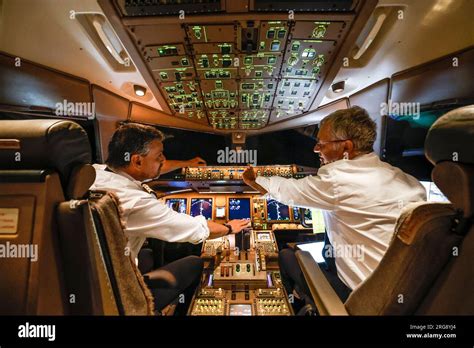
The aviation industry must learn from incidents like Flight UA989. Airlines should refine emergency protocols not just in technical response, but in passenger communication, crew readiness, and regulatory compliance. Maintaining clear communication and upholding basic comfort standards is essential to sustaining passenger trust.
For flights over transatlantic routes, where rerouting options are limited and crew duty regulations are tightly enforced, airlines must have contingency plans that allow for better logistical handling of delays and emergency diversions. Equipping airport ground staff with clear rebooking protocols and immediate care arrangements can prevent confusion when flight plans are disrupted.
Conclusion: A Wake-Up Call for Airline Standards
United Airlines Flight UA989’s diversion to Halifax serves as a case study in crisis mismanagement. While the crew’s swift decision to divert the aircraft for medical reasons was commendable and appropriate, the events that followed exposed systemic weaknesses in communication, logistical coordination, and passenger care.
Travelers today are not merely ticket holders—they are informed consumers with expectations for transparency, empathy, and accountability. In the aftermath of this incident, United Airlines has a critical opportunity to revise its procedures and restore passenger trust by demonstrating a genuine commitment to service excellence and safety compliance.
Whether these changes materialize will become clear in how the airline handles its next unforeseen crisis. For now, UA989 remains a powerful reminder that technical expertise must be matched by operational readiness and human-centric communication in aviation.