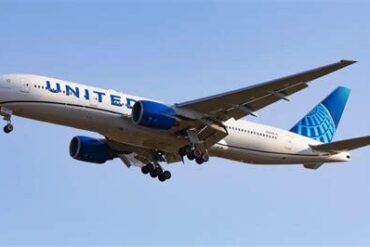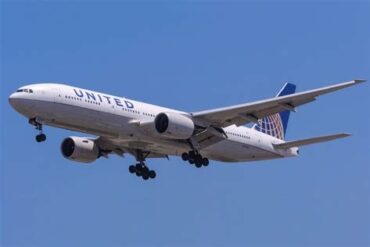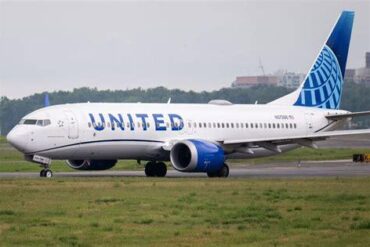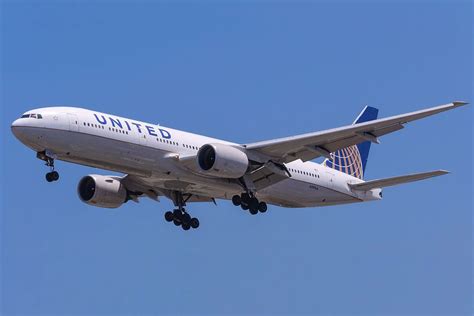
On June 11, 2025, what was expected to be a routine transatlantic flight turned into a harrowing ordeal for passengers aboard United Airlines flight UA989, traveling from Washington Dulles International Airport (IAD) to Frankfurt Airport (FRA). The aircraft, a Boeing 777-300ER, was diverted to Halifax Stanfield International Airport (YHZ) in Nova Scotia, Canada, following a medical emergency that occurred just over two hours after departure. What began as a necessary precaution evolved into a protracted and highly disruptive event, turning Canada into an unplanned but crucial stopover in an unfolding aviation dilemma.
Medical Emergency Forces Course Correction Mid-Flight
At 22:07 UTC, UA989 departed Washington with Frankfurt in its sights, charting a course across the North Atlantic. Approximately two hours into the flight, a passenger onboard suffered a critical medical event, prompting the flight crew to take immediate action. Following standard safety protocols, the crew coordinated with air traffic control and medical authorities to reroute the flight to the nearest suitable airport. Halifax, equipped with the necessary emergency infrastructure, was selected as the diversion point.
Upon landing at YHZ, emergency medical teams boarded the aircraft and administered care to the ailing passenger, who was promptly transported for further treatment. However, rather than a quick refueling and departure, the situation took an unexpected turn for the worse.
Seven-Hour Ordeal on the Tarmac
Passengers initially believed they would resume their journey shortly after the medical emergency was resolved. Yet, the aircraft remained parked on the tarmac for more than seven grueling hours. During this time, frustration mounted as airline staff failed to provide consistent updates. Cabin conditions deteriorated, and passengers voiced concerns about the lack of access to basic needs, including food, water, restroom availability, and an option to deplane.
United Airlines remained largely uncommunicative, with passengers left to speculate about the causes of the extended delay. According to reports, the situation escalated once a fuel imbalance was detected post-refueling. The imbalance between the left and right wing fuel tanks required immediate attention, as such discrepancies can pose serious risks to aircraft stability during flight. This technical issue alone consumed several critical hours.
Flight Crew Fatigue and Duty Time Regulations
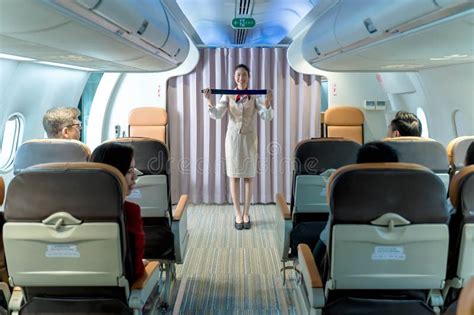
As the delay dragged on, another critical limitation surfaced—crew duty time constraints. Aviation authorities in both the United States and Canada impose strict regulations on how long a crew may remain on duty to ensure flight safety. The extended stay on the ground pushed the UA989 flight crew toward the edge of their regulated time limits. When the allowable duty hours expired, the crew was no longer legally permitted to operate the flight.
Consequently, the airline had no choice but to cancel the flight entirely, effectively stranding hundreds of passengers in Halifax. This decision added insult to injury for many who had already endured a long and uncomfortable delay.
Passenger Reaction: Anger, Confusion, and Lack of Support
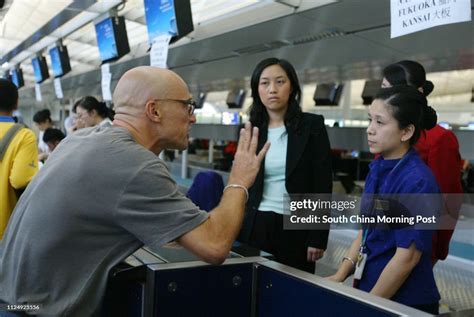
The lack of a coherent response plan and poor communication from United Airlines drew sharp criticism from passengers. Many described being left in the dark, with sparse information trickling down from crew members who themselves appeared overwhelmed by the evolving circumstances. Some passengers pleaded for the chance to disembark temporarily, especially as the hours passed and onboard conditions worsened. These requests went unanswered.
Several travelers took to social media to document their ordeal, highlighting the absence of food and water beyond the mandatory minimums and criticizing the airline’s handling of the entire situation. The unfolding drama has reignited conversations about the responsibility airlines bear during emergency scenarios, especially when delays become indefinite.
Canadian Airports as Global Emergency Gateways
Halifax Stanfield International Airport, while not a major global hub, has proven its strategic value in past aviation emergencies. Located on the eastern edge of North America, it is ideally situated as a diversionary landing site for transatlantic flights facing technical or medical crises. Canada’s robust aviation infrastructure and readiness to respond in critical situations have earned the nation a reputation as a reliable contingency location in global air travel.
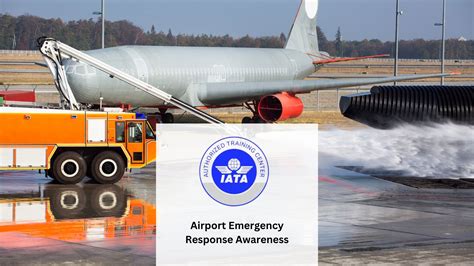
This incident once again highlights the vital geopolitical role of Canadian airports, particularly in an era where global air traffic is susceptible to a range of unpredictable disruptions—from medical incidents to technical malfunctions.
Regulatory Framework for Tarmac Delays: Know Your Rights
The UA989 incident also draws attention to important regulations governing tarmac delays. In the United States, the Department of Transportation (DOT) mandates that airlines must allow passengers to deplane if a delay exceeds four hours for international flights. Moreover, after just two hours, airlines are legally obligated to provide food, water, functioning restrooms, and medical attention as needed.
Airlines must also deliver updates every 30 minutes during extended delays. Failure to meet these requirements can result in significant penalties and legal consequences, and passengers may be eligible for compensation or refunds depending on the nature of the disruption.
In the European Union, Regulation 261/2004 lays out similar protections. While exceptions are made for extraordinary circumstances—such as medical emergencies—airlines still bear the burden of communication and must provide care during such interruptions. Compensation eligibility varies depending on whether the cause of delay was within the airline’s control.
A Tale of Two Flights: UA989 vs UA36
Interestingly, the UA989 incident echoes a similar emergency earlier in 2025 involving United Airlines Flight UA36 from Newark to Edinburgh. That flight also faced a medical emergency and transmitted a 7700 squawk code, signaling critical distress. However, the handling of UA36 was notably smoother. Emergency services met the plane upon arrival, passengers were promptly deplaned, and disruption was minimal.
The stark contrast between the two events lies in the operational management. UA36’s incident was resolved with little public backlash, thanks to swift coordination and effective communication. In contrast, UA989 has become a case study in how a lack of preparation and poor communication can spiral into a public relations and customer service disaster.
Lessons for Airlines and the Industry
The UA989 emergency landing and the subsequent tarmac ordeal underscore the urgent need for airlines to develop stronger contingency protocols. Emergency landings, though rare, are inevitable, and their management can define passenger experience. Airlines must prioritize real-time communication, empower crews to make informed decisions regarding passenger welfare, and maintain transparency throughout such events.
Furthermore, the incident highlights the limitations imposed by aviation labor regulations. While these rules are essential for safety, airlines must account for them when constructing response plans. Alternative crew deployment, quicker decision-making, and better collaboration with ground services could have mitigated much of the chaos faced by UA989 passengers.
Final Thoughts: A Stopover No One Expected
Canada became an unexpected, albeit essential, host during this in-flight emergency. Halifax’s readiness and infrastructure allowed for a safe landing, but United Airlines’ failure to manage the aftermath effectively turned a life-saving diversion into a logistical nightmare. Passengers were left not only inconvenienced but also disillusioned by what they perceived as corporate negligence.
This incident serves as a sobering reminder that in aviation, the journey is never just about the destination. It is about how airlines respond when plans go awry, how they treat their passengers during moments of crisis, and whether they uphold the trust travelers place in them the moment they board a plane.