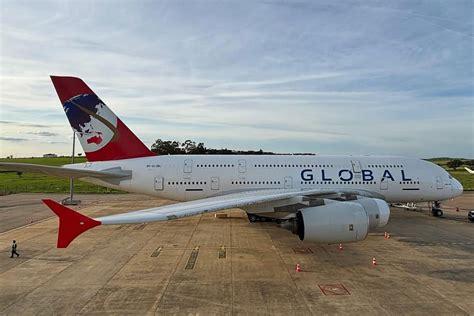
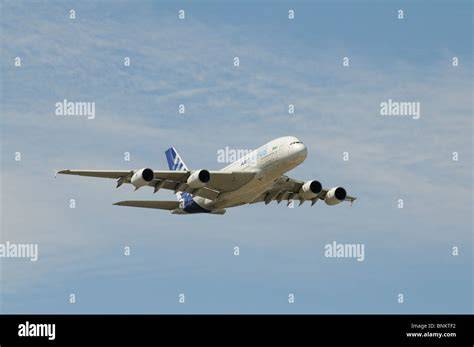
The Airbus A380 operating cost per flight hour in 2026 remains one of the most debated topics in commercial aviation. The world’s largest passenger aircraft offers unmatched capacity, a premium passenger experience, and strong performance on high-demand international routes. However, behind the double-deck comfort and impressive size is a complex cost structure that makes the aircraft challenging for many airlines to operate.
Unlike newer widebody aircraft such as the Airbus A350 or Boeing 787, the A380 was designed around a different era of aviation. Airlines expected continued growth in hub-and-spoke travel, where very large aircraft could efficiently move hundreds of passengers between major airports. In 2026, that strategy still works on certain routes, but rising fuel prices, maintenance complexity, and limited resale value have made the A380 one of the most expensive commercial aircraft to operate.
A realistic estimate places the total operating cost of an Airbus A380 at approximately $40,000 to $55,000 per flight hour in 2026. However, the actual number varies significantly depending on fuel prices, aircraft age, airline maintenance capabilities, route length, airport charges, and whether the aircraft is fully depreciated.
Why Airbus A380 Operating Costs Are Difficult to Calculate
Determining the exact cost of flying an Airbus A380 is complicated because airlines operate the aircraft under very different financial conditions. A major international carrier with dozens of A380s can achieve economies of scale that smaller operators cannot match.
For example, Emirates operates the largest A380 fleet in the world. Its extensive maintenance infrastructure, trained engineering workforce, spare parts inventory, and operational experience significantly reduce the cost per aircraft. The airline has built an entire support system around the superjumbo, allowing it to manage expenses more efficiently than airlines operating only a small number of A380s.
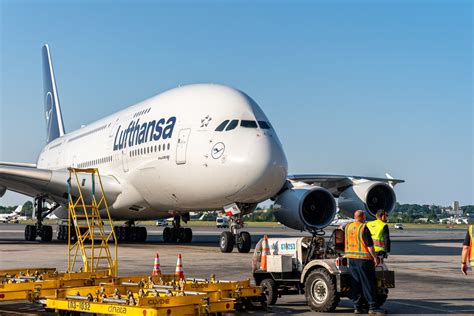
Smaller A380 operators face a different reality. Airlines such as Lufthansa, Korean Air, All Nippon Airways, and Qatar Airways have historically operated much smaller fleets. Maintaining a unique aircraft type requires specialized technicians, dedicated spare parts, and additional training costs. When only a handful of aircraft are involved, those expenses are spread across fewer flights, increasing the cost per flight hour.
The aircraft’s age also creates another variable. Many A380s delivered during the first production years are now approaching two decades of service. Some aircraft require expensive structural inspections, cabin refurbishment programs, landing gear maintenance, and major component overhauls.
Because of these factors, there is no universal A380 hourly operating cost. Instead, analysts typically provide a range based on average airline operations.
Fuel Consumption: The Largest Airbus A380 Expense
Fuel remains the single largest operating expense for most commercial aircraft, and the Airbus A380 is particularly sensitive to fuel price changes because of its four-engine design.
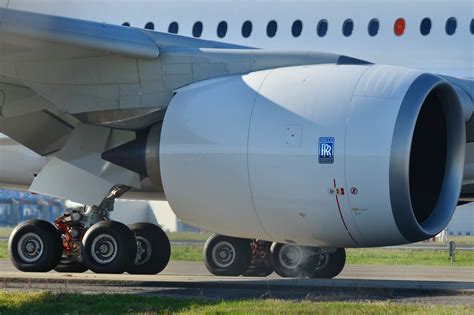
The A380 is powered by four high-thrust turbofan engines, including the Rolls-Royce Trent 900 and Engine Alliance GP7200. Depending on aircraft weight, altitude, weather conditions, and flight profile, the aircraft typically burns approximately 11 to 13 tons of fuel per hour.
At stable fuel prices, this consumption can be manageable on long international routes. However, when oil prices rise sharply, the A380’s fuel disadvantage becomes more noticeable compared with newer twin-engine aircraft.
In 2026, fuel price volatility has remained a major challenge for airlines. Jet fuel represents roughly 25% to 35% of airline operating expenses, and during periods of extreme price increases, it can represent an even larger share.
Airlines attempt to reduce exposure through fuel hedging strategies, including futures contracts, swaps, options, and other financial instruments. These agreements allow carriers to lock in fuel prices months or years ahead, but they rarely eliminate the impact completely.
For an A380 flying a long-haul mission, fuel costs alone can represent around $20,000 to $26,000 per flight hour under typical operating conditions.
Maintenance Costs and the Challenge of Supporting a Superjumbo
Maintenance is another major component of the Airbus A380 hourly operating cost. The aircraft’s enormous size, complex systems, and four engines require significant engineering support.
A typical estimate places A380 maintenance and engineering expenses at approximately $8,000 to $12,000 per flight hour. These costs include scheduled inspections, component replacement, engine maintenance reserves, and technical support.
The aircraft’s maintenance economics depend heavily on fleet size. Airlines with large A380 operations can spread costs more effectively because they already have the required infrastructure.
Emirates provides the clearest example. By operating a large percentage of the world’s active A380 fleet, the airline has developed extensive expertise in maintaining the aircraft. Its engineers, facilities, and supply chains are optimized around the superjumbo.
Smaller operators cannot always achieve the same efficiency. A carrier operating only several A380s may need to maintain specialized capabilities despite having fewer aircraft generating revenue.
The aircraft’s age creates additional pressure. Many early A380s are entering periods where major inspections and refurbishment programs become necessary. Although the newest A380s are only around five years old, a significant portion of the fleet is approaching its second decade of operation.
Crew, Airport Fees, and Other Operating Expenses
The Airbus A380 requires a large operating team compared with smaller aircraft. Because of its passenger capacity, airlines often need more cabin crew members, although the cost per passenger can still be competitive when the aircraft is filled.
Crew-related expenses generally contribute around $4,000 to $6,000 per flight hour. This includes cockpit crew salaries, cabin crew costs, training requirements, and operational staffing.
Airport and navigation charges are another important factor. The A380’s size means it requires specialized gates, larger taxiway areas, and airport infrastructure capable of handling the aircraft’s weight and dimensions.
These expenses can range from approximately $5,000 to $9,000 per flight hour, depending heavily on the airports involved.
Insurance, administration, and miscellaneous expenses add another estimated $2,000 to $3,500 per hour. When combined with fuel, maintenance, crew, and airport charges, the total cost reaches the commonly cited range of $40,000 to $55,000 per flight hour.
| Cost Category | Estimated Cost Per Flight Hour |
|---|---|
| Fuel | $20,000–$26,000 |
| Maintenance and engineering | $8,000–$12,000 |
| Crew expenses | $4,000–$6,000 |
| Airport and navigation fees | $5,000–$9,000 |
| Insurance and miscellaneous | $2,000–$3,500 |
| Total estimated operating cost | $40,000–$55,000 |
Why Some Airlines Still Operate the Airbus A380
Despite its high operating expenses, the Airbus A380 still provides advantages that smaller aircraft cannot replicate.
The biggest benefit is passenger capacity. A typical A380 configuration can carry more than 500 passengers, while some high-density layouts exceed 800 seats. On extremely busy routes, this allows airlines to move large numbers of passengers while maximizing limited airport slots.
This advantage is especially important at slot-restricted airports such as London Heathrow, where airlines cannot easily add additional flights. A single A380 can replace multiple smaller aircraft movements, making it strategically valuable.
The aircraft also benefits from lower capital costs. Many A380s are now fully depreciated or close to being paid off. Airlines that own their aircraft outright avoid large financing payments associated with purchasing new aircraft.
A new Airbus A350 or Boeing 787 may have significantly better fuel efficiency, but it also requires billions of dollars in investment across an airline fleet. For some carriers, continuing to operate existing A380s remains financially attractive.
The Airbus A380 Has Almost No Secondary Market
One of the biggest disadvantages of the A380 is its weak resale value. Unlike smaller aircraft families that can be converted into freighters or easily transferred to other operators, the A380 has limited alternative uses.
The aircraft was designed almost exclusively as a passenger aircraft. There is currently no large-scale passenger-to-freighter conversion program for retired A380s.
As a result, many retired aircraft have been valued mainly for their engines, landing gear, avionics, and reusable components rather than for continued passenger service.
This lack of a secondary market has influenced airline decisions for years. When demand falls or fuel prices rise, the A380 is often among the first aircraft types considered for retirement or temporary storage.
Airlines That Continue Flying the A380 in 2026
Although many airlines have reduced their A380 fleets, several carriers continue to see value in the aircraft.
Emirates remains the strongest supporter of the A380, operating the largest fleet and planning continued use of the aircraft well into the late 2020s. The airline has repeatedly emphasized the importance of the aircraft for high-demand global routes.
British Airways also continues operating A380s, particularly on major international services where passenger demand supports the aircraft.
Other operators have taken a more cautious approach. Lufthansa, Singapore Airlines, Korean Air, and Qantas have adjusted their A380 strategies as newer aircraft provide better fuel efficiency and greater flexibility.
The future of the A380 depends on whether airlines can continue filling its enormous capacity. When demand is strong, the aircraft can generate significant revenue. When demand weakens, its high hourly costs become difficult to justify.
Final Cost Estimate: What Does an Airbus A380 Really Cost Per Hour in 2026?
The Airbus A380 costs approximately $40,000 to $55,000 per flight hour in 2026 under typical airline operating conditions. Fuel represents the largest expense, followed by maintenance, airport fees, crew costs, and other operational requirements.
However, the number tells only part of the story. The A380 is not simply an expensive aircraft; it is a specialized aircraft designed for specific missions. On ultra-high-demand routes between major global hubs, its enormous capacity and passenger appeal can still create economic value.
For airlines with large fleets, established maintenance systems, and strong passenger demand, the A380 remains viable. For smaller operators facing high fuel prices and limited utilization, the superjumbo can quickly become a financial challenge.
In 2026, the Airbus A380 represents a unique balance between extraordinary capability and difficult economics. It may never become the mainstream aircraft Airbus originally envisioned, but on the right routes, the world’s largest passenger aircraft continues to prove why size still matters in commercial aviation.