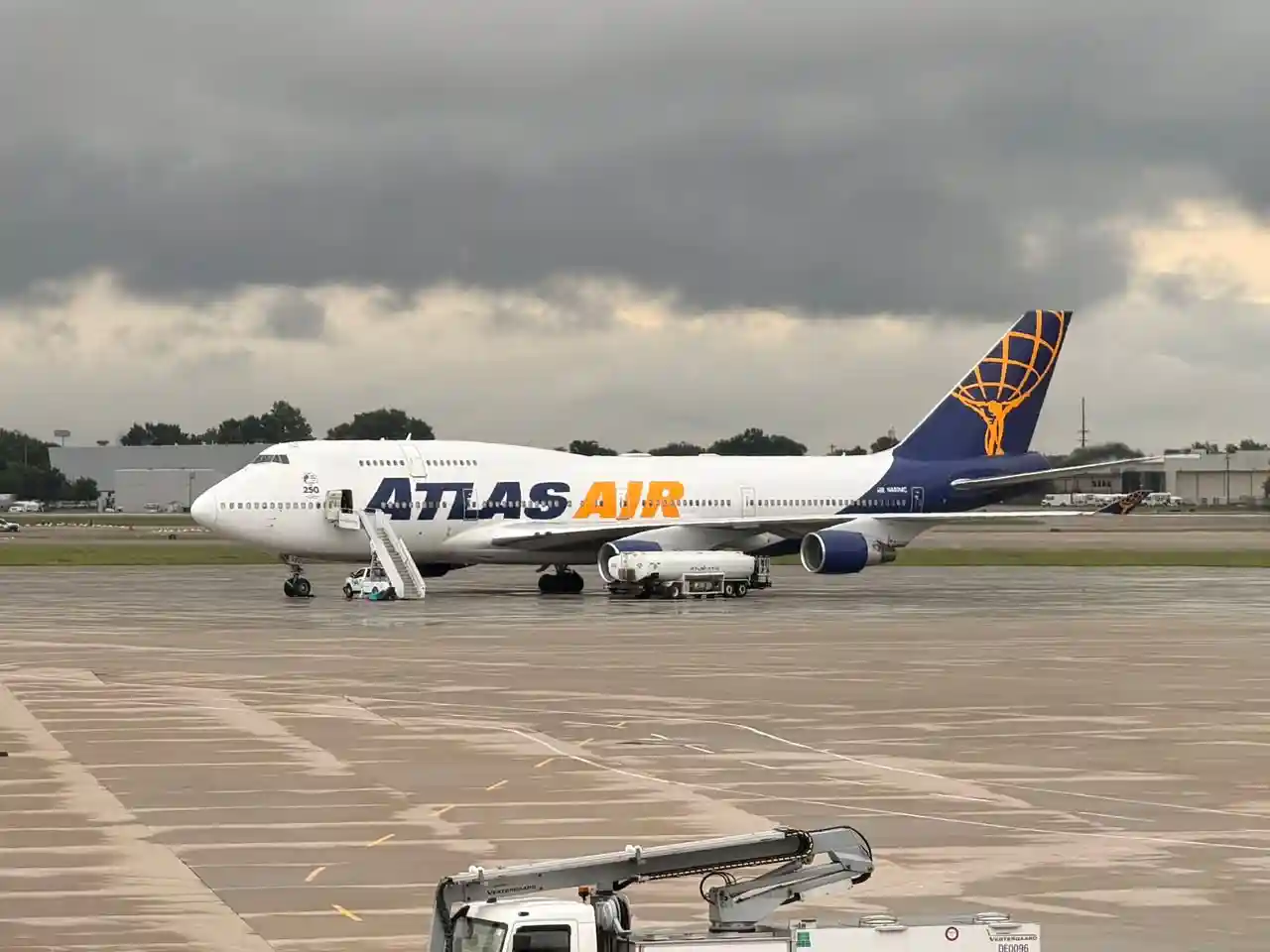
A Boeing 747 remains one of the most recognizable aircraft ever built, but in 2026 it represents something far more specialized than a typical passenger aircraft. While airlines have largely moved toward more efficient twin-engine wide-body aircraft, the Boeing 747 charter market continues to serve missions where size, range, and payload capacity matter more than fuel efficiency. For organizations needing to move hundreds of passengers, oversized cargo, or specialized equipment across long distances, the aircraft’s enormous capability can still justify its extraordinary operating costs.
The question many potential customers ask is simple: how much does it actually cost to charter a Boeing 747 per hour in 2026? The answer depends on multiple factors, including whether the aircraft is configured for passengers or cargo, the specific 747 variant involved, route requirements, fuel prices, crew expenses, airport charges, and aircraft availability.
In general, a Boeing 747 passenger charter costs between $25,000 and $40,000 per flight hour, while cargo versions can reach approximately $30,000 to $50,000 per hour. These figures make the 747 one of the most expensive aircraft available for charter operations, but they reflect the unmatched capacity that the aircraft provides.
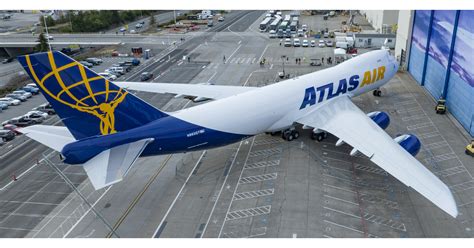
Why Organizations Still Charter Boeing 747 Aircraft in 2026
The Boeing 747 was never designed to compete with smaller private jets or business aircraft. A Gulfstream, Bombardier Global, or Boeing Business Jet may provide luxury and efficiency for executives, but these aircraft cannot replace the 747 when the mission involves moving hundreds of people or massive quantities of freight.
The primary reason companies choose a Boeing 747 charter is scale. A single aircraft can transport large groups without requiring multiple flights, reducing scheduling complexity and allowing organizations to maintain tighter control over operations.
For example, international sports teams traveling with players, coaches, medical staff, media representatives, and equipment may require more space than a standard narrow-body charter can provide. Similarly, companies operating in remote industries may need to transport hundreds of employees between industrial locations where commercial schedules are inconvenient or unavailable.
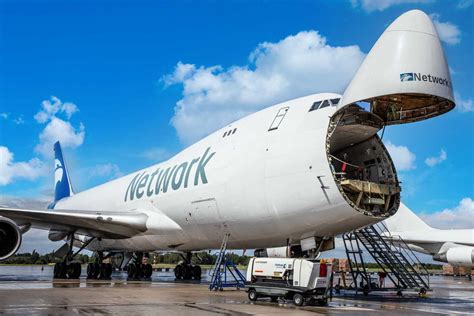
The aircraft is also valuable for cargo missions. Certain Boeing 747 variants feature a nose-loading capability that allows operators to carry unusually large shipments. Industrial machinery, humanitarian supplies, aerospace components, military equipment, and oversized freight can often be transported more efficiently by a 747 than by smaller cargo aircraft.
The aircraft’s unique combination of high payload capacity, long-range capability, and operational flexibility keeps it relevant despite the retirement of many passenger versions.
Boeing 747 Charter Hourly Rates in 2026
The cost of a Boeing 747 charter is primarily calculated using an hourly operating rate. However, this does not mean customers simply multiply the flight time by the hourly price. Charter invoices usually include additional expenses such as aircraft positioning, airport fees, crew costs, permits, and handling charges.
For a passenger-configured Boeing 747, the average charter rate in 2026 typically falls within the following range:
- Boeing 747-400 passenger charter: approximately $25,000–$35,000 per hour
- Boeing 747-8 passenger charter: approximately $35,000–$40,000 or more per hour
- Long-range international charter missions: often exceed these averages due to additional operational expenses
A seven-hour international flight could therefore generate a basic aircraft cost of roughly $175,000 to $280,000, before additional fees are added.
A Boeing 747 charter from New York to London, for example, may cost between $220,000 and $400,000 for a one-way operation. The final price depends on aircraft availability, seasonal demand, airport charges, and whether the aircraft must be repositioned before the mission begins.
Unlike purchasing individual airline tickets, charter customers are paying for the entire aircraft and operational package. The price reflects not only transportation but also exclusive scheduling, customized routing, and complete control over the journey.
How Boeing 747-400 and Boeing 747-8 Charter Costs Differ
Not all Boeing 747 aircraft have identical operating costs. The two primary variants available for charter operations are the Boeing 747-400 and the Boeing 747-8.
The Boeing 747-400 remains more common in the charter market because many aircraft were produced during the model’s long production run. However, these aircraft are older, meaning operators often face higher maintenance expenses and increased costs associated with keeping aging airframes operational.
The Boeing 747-8 represents the newest generation of the aircraft family. It features improved aerodynamics, updated engines, a more modern cabin environment, and advanced technology. However, these improvements come with higher acquisition and operating costs.
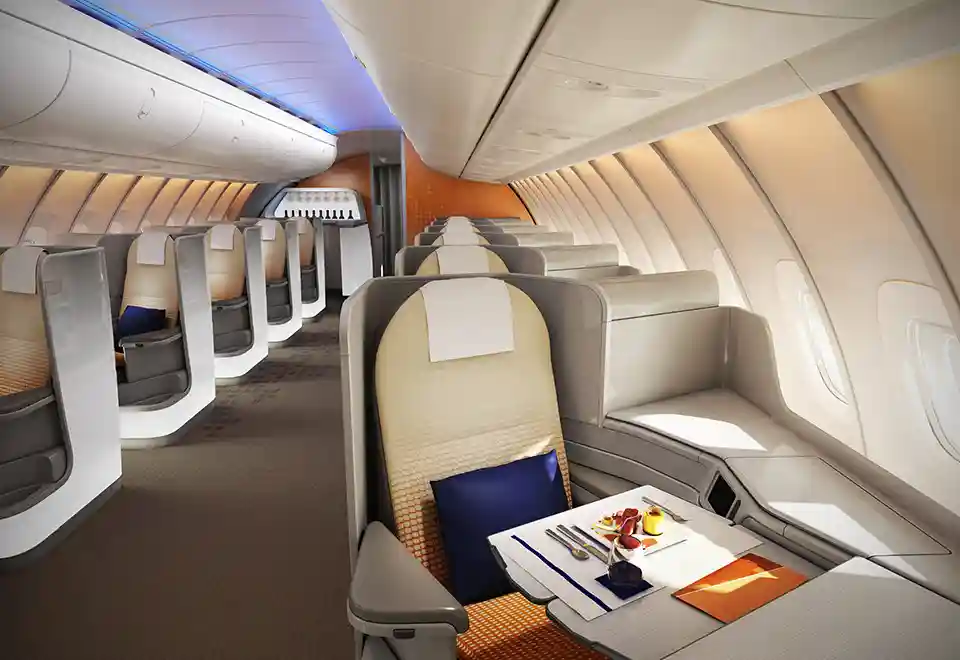
A 747-8 charter may command a premium because customers receive a newer aircraft with upgraded interiors and modern passenger amenities. For luxury-oriented missions, such as government travel, corporate transportation, or premium group charters, the additional cost may be justified.
The difference is similar to choosing between an older luxury vehicle and a newer flagship model. Both can perform the same basic function, but the newer option delivers additional comfort, technology, and operational advantages.
Additional Costs That Increase Boeing 747 Charter Prices
The hourly aircraft rate represents only the foundation of a Boeing 747 charter quote. Several additional expenses can significantly increase the final bill.
One of the largest hidden costs is aircraft positioning. A charter company may not have a Boeing 747 located at the departure airport. If the aircraft must fly empty from another location, the customer may be responsible for the ferry flight cost.
Positioning flights can add approximately $25,000 to $75,000 or more, depending on the aircraft’s location and distance traveled.
Airport expenses are another major factor. A Boeing 747 requires specialized ground handling equipment, larger parking areas, and additional support services compared with smaller aircraft. International airports may charge higher landing fees, ramp fees, and handling costs because of the aircraft’s size.
For a large 747 operation, ground-related expenses can include:
- Aircraft handling services
- Passenger processing support
- Parking charges
- International permits
- Customs coordination
- Specialized loading equipment
- Crew accommodation and transportation
Crew expenses also contribute significantly. A Boeing 747 operation requires multiple pilots and cabin crew members. Long-distance missions may require additional flight crew to comply with aviation regulations regarding rest periods and duty limitations.
Boeing 747 Cargo Charter Costs in 2026
While passenger Boeing 747 operations have declined, cargo versions remain an important part of the global aviation industry. The Boeing 747 freighter charter market continues to serve customers requiring exceptional payload capacity.
A Boeing 747-400F cargo charter typically costs between $30,000 and $50,000 per hour. The higher rate reflects the aircraft’s specialized capability, including massive cargo volume, heavy payload capacity, and unique loading features.
Cargo operators face many of the same challenges as passenger charter providers. Fuel consumption remains one of the largest expenses, while maintenance costs continue increasing as older aircraft become more expensive to support.
The limited availability of 747 freighters has also influenced pricing. Many operators have transitioned toward newer aircraft such as the Boeing 777F, which offers improved fuel efficiency and lower operating costs. However, the 747 maintains advantages in missions involving oversized cargo.
When a shipment cannot fit inside a conventional freighter, the customer often has limited alternatives. In these cases, the premium cost of a Boeing 747 charter becomes a necessary investment rather than an optional expense.
Real-World Boeing 747 Charter Missions
Throughout its history, the Boeing 747 has supported a wide variety of specialized charter operations. One of the most notable examples has been large-scale pilgrimage transportation.
During the annual Hajj pilgrimage, airlines and charter operators have historically used high-capacity aircraft to transport thousands of passengers between different countries and Saudi Arabia. The temporary demand created by these movements makes chartering large aircraft economically practical.
Sports team transportation is another important market. Although many teams use Boeing 737, Boeing 757, or Airbus A320 aircraft for domestic travel, international competitions sometimes require larger aircraft.
A Boeing 747 can accommodate players, coaches, support staff, medical teams, equipment, and media personnel in a single operation. This makes it especially attractive for major tournaments and overseas events.
Corporate transportation has also been an important use case. Large companies operating internationally may charter wide-body aircraft to move employees between business locations, particularly in industries such as energy, mining, and infrastructure.
A historical example was Atlas Air’s “Houston Express” service between Houston and Luanda, Angola. The route supported companies connected to the oil industry by providing direct transportation between major business centers.
Is a Boeing 747 Charter Worth the Cost?
For most private travelers and businesses, a Boeing 747 charter is far beyond what they need. Smaller aircraft can provide greater efficiency, lower operating costs, and more flexibility for typical corporate missions.
However, the value equation changes when the mission requires massive capacity. Moving 200 to 400 passengers on one route may make a Boeing 747 charter economically reasonable compared with arranging multiple smaller aircraft.
The aircraft becomes particularly attractive when time, coordination, and operational control are more important than minimizing cost.
A company transporting hundreds of employees, a sports organization traveling internationally, or a government agency managing a large-scale operation may find that the Boeing 747’s capabilities outweigh its expense.
The aircraft is not a practical choice for ordinary travel, but that has never been its purpose. The Boeing 747 exists for situations where normal aircraft are simply not large enough.
The Future of Boeing 747 Charter Operations
The Boeing 747 charter market in 2026 is smaller than it was during the aircraft’s commercial peak, but it remains highly specialized. Newer aircraft such as the Boeing 787 Dreamliner, Airbus A350, and Boeing 777X offer better fuel efficiency, making them more attractive for regular airline operations.
However, efficiency does not replace capability. The 747 continues to provide a unique combination of size, range, and cargo flexibility that few aircraft can match.
As airlines continue retiring passenger 747s, the remaining aircraft are increasingly concentrated among specialized operators. These companies focus on missions where the aircraft’s enormous capacity creates genuine value.
For customers who need extraordinary transportation capability, the Boeing 747 charter cost per hour in 2026 may appear extremely high. Yet when hundreds of passengers or enormous cargo loads must move efficiently across continents, the aircraft remains one of the few solutions capable of completing the mission.