Flying privately between Los Angeles and Las Vegas has become one of the most frequently requested short-haul charter routes in the United States. The distance is short enough to feel almost effortless, yet the demand is intense enough that pricing behaves like a live marketplace rather than a fixed menu. In 2026, this route continues to sit at the intersection of convenience, luxury, and surprisingly wide price variation. Depending on aircraft type, timing, and operational logistics, the same one-way flight can cost as little as a few thousand dollars or climb well beyond five figures.
What makes this corridor particularly interesting is not just the wealth of both cities, but the sheer practicality of private aviation here. The flight takes roughly 45–60 minutes in the air, meaning even the smallest jets and turboprops are viable. That opens the door to a broader range of pricing tiers than most travelers expect, from entry-level shared-style private flying to ultra-luxury cabin experiences that rival long-haul international business jets.
Demand is also consistently reinforced by Las Vegas itself. Major conventions, fight nights, and weekend tourism spikes create sudden waves of charter activity, while Los Angeles provides a constant stream of entertainment executives, athletes, and high-net-worth leisure travelers. This combination makes pricing unusually dynamic even for such a short sector.
Los Angeles departures are typically concentrated at Van Nuys Airport, which functions as the unofficial capital of private aviation on the West Coast. Burbank and John Wayne Airport also serve frequent charter demand, particularly when positioning or scheduling makes Van Nuys less convenient. On the Las Vegas side, Harry Reid International Airport handles the bulk of arrivals, while Henderson Executive Airport offers a quieter alternative for private terminals and faster ramp access.
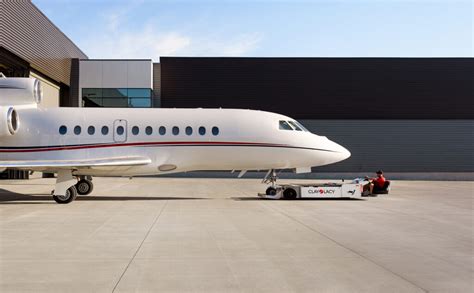
Van Nuys stands out because it eliminates the congestion and commercial traffic associated with LAX. The experience is designed around discretion and efficiency: private lounges, minimal wait times, and immediate boarding directly from the tarmac. In Las Vegas, the same logic applies in reverse, with FBOs prioritizing rapid turnarounds so aircraft can reposition quickly for the next demand surge. This infrastructure alone plays a major role in shaping the economics of the route.
Why the Los Angeles to Las Vegas Corridor Drives Private Jet Demand
The Los Angeles–Las Vegas route has evolved into a textbook example of short-haul private aviation efficiency. At just over 270 miles, it sits in a unique sweet spot where flying private actually competes with commercial travel on both time and convenience. Door-to-door, the private jet experience often wins outright, especially when factoring in security queues, boarding delays, and airport transfers.
Another factor is behavioral rather than geographic. Many travelers treat Las Vegas as a flexible destination—decisions are often made within hours rather than days. That spontaneity favors on-demand charter models, where aircraft can be dispatched quickly and repositioned efficiently.
There is also an operational advantage for operators. Because the flight is short, aircraft utilization is high. A single jet can complete multiple round trips per day, which helps dilute fixed costs across more revenue-generating legs. That is one reason pricing remains relatively accessible compared to longer transcontinental routes.
Aircraft Categories and What They Really Cost in 2026
Pricing on this route is best understood as tiers tied directly to aircraft category rather than distance. The same 45-minute flight can feel radically different depending on whether you are in a turboprop or a heavy jet.
Turboprops like the Pilatus PC-12 and King Air series represent the entry point. These aircraft typically cost between $1,500 and $3,500 one-way. They are slower than jets but only marginally so on such a short route, and their cabin experience remains comfortable for small groups. They are especially popular for cost-conscious travelers or flexible scheduling.
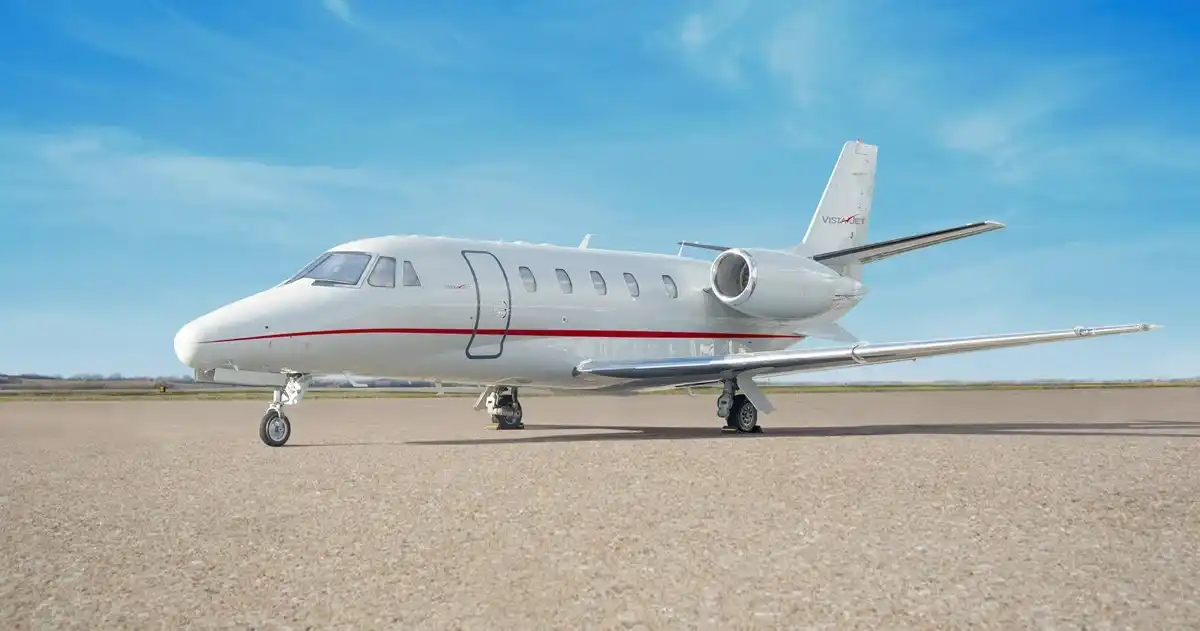
Light jets, including aircraft such as the Embraer Phenom 300, form the most common charter category on this corridor. Pricing typically ranges from $3,500 to $7,500 one-way. These aircraft strike a balance between speed, cabin comfort, and availability, which makes them the default option for many first-time private flyers.
Mid-size and super mid-size jets push the experience further. Expect pricing between $7,000 and $13,000 depending on availability and demand. These cabins offer more space, enclosed lavatories, and smoother ride performance, which matters more for travelers prioritizing comfort or privacy.
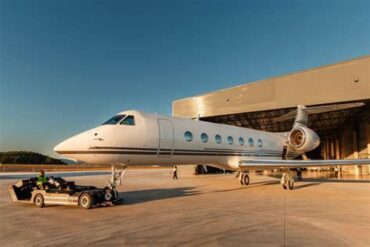
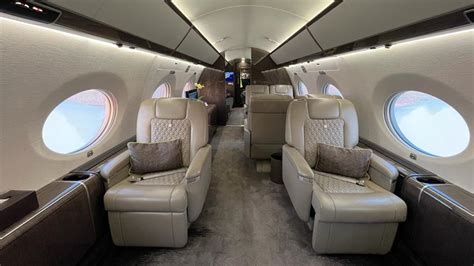
Heavy jets, including Gulfstream and Bombardier Global aircraft, are less about necessity and more about status and cabin experience. Prices often exceed $15,000 one-way, sometimes significantly more during peak demand windows such as CES or major sporting events.
Even within these categories, pricing is not static. A jet positioned in Los Angeles already scheduled for Las Vegas will often be significantly cheaper than one requiring repositioning from another state.
The Real Price Breakdown Behind a “Simple” One-Way Flight
At first glance, a short private flight might appear straightforward to price. In reality, the final number reflects a layered structure of operational and logistical components that can shift rapidly.
Base aircraft cost is only one part of the equation. Operators must also account for crew duty time, fuel variability, airport handling, and scheduling inefficiencies. On a high-demand route like Los Angeles to Las Vegas, these elements interact in complex ways.
Repositioning is one of the most influential hidden factors. If an aircraft must fly empty to pick up passengers, that cost is often embedded into the charter price. Interestingly, this route frequently benefits from the opposite scenario: aircraft often need to return to Los Angeles empty, creating opportunities for discounted “empty leg” seats.
A typical pricing structure may include:
- Base hourly aircraft rate multiplied by flight time
- Airport landing and handling fees
- Crew overnight or duty-related costs when applicable
- Fuel surcharges based on current market conditions
- Positioning or empty leg adjustments
These variables explain why two identical aircraft quotes can differ by thousands of dollars for the same route on different days.
Why Prices Spike: Events, Seasons, and Demand Waves
Unlike scheduled airlines, private aviation pricing is highly sensitive to real-world demand surges. Las Vegas is one of the strongest examples of this phenomenon anywhere in the world.
Large-scale conventions like CES can temporarily reshape the entire charter market. During these periods, aircraft availability tightens significantly, and prices rise accordingly. The same effect occurs during UFC fight weekends, Formula 1 events, and major holiday travel periods.
Weather conditions in Los Angeles can also influence pricing indirectly. When commercial disruptions occur, private aviation demand often increases as travelers seek reliability and schedule certainty.
Seasonality plays a subtler but consistent role. Summer weekends tend to be expensive due to leisure travel demand, while midweek flights in quieter months can offer noticeably lower rates.
Semi-Private Alternatives Changing the Market Dynamics
Not every traveler on this corridor chooses full private charter. Semi-private operators have carved out a strong niche by offering private terminal access and upgraded comfort at a fraction of the cost.
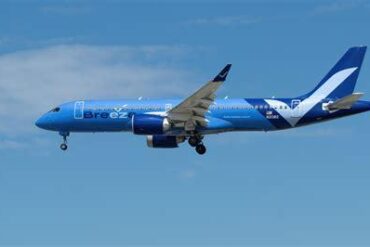
JSX is one of the most recognizable names in this space. Ticket prices between Los Angeles and Las Vegas can drop below $200 one-way, while still offering private terminals, expedited boarding, and significantly reduced airport friction. The trade-off is that aircraft are technically regional jets rather than business jets, but the experience feels closer to private aviation than commercial flying.
Aero operates in a similar space but with a smaller, more premium-focused model. Pricing is higher than JSX, often exceeding $900 per seat one-way, but the experience includes true business jet interiors on select aircraft such as the Embraer Legacy 600.
These semi-private models have created a new middle tier between commercial first class and full charter, reshaping expectations for short-haul luxury travel.
What the Onboard Experience Actually Feels Like
The cabin experience varies significantly depending on aircraft type, but the common theme across all private options is control. Passengers dictate timing, routing, and onboard environment in ways commercial aviation cannot replicate.
Light jets offer intimate cabins with club seating configurations, often accommodating four to seven passengers. The focus is efficiency rather than extravagance. Mid-size jets expand this with more legroom, enclosed lavatories, and quieter cabins suitable for work or relaxation.
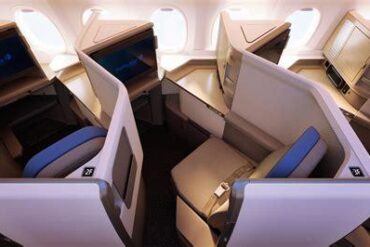
Heavy jets elevate the experience further with full stand-up cabins, divan seating, entertainment systems, and conference-style layouts. These aircraft are often configured for productivity as much as comfort, allowing passengers to conduct meetings in the air.
Turboprops, while more basic, still provide a private environment free from airport crowds. On a sub-hour flight, even minimal amenities feel sufficient for most travelers.
Practical Ways to Reduce Private Jet Costs on This Route
Despite its luxury reputation, there are several realistic ways to reduce the cost of flying privately between Los Angeles and Las Vegas. The most effective strategies tend to revolve around timing and flexibility.
Empty leg flights are the most significant opportunity. These occur when an aircraft must reposition without passengers, and operators often sell these seats at steep discounts to avoid flying empty.
Midweek departures tend to be more affordable than weekends, especially outside major event windows. Flexibility in departure airport can also matter, as repositioning requirements differ between Van Nuys, Burbank, and Orange County.
Choosing aircraft based on efficiency rather than prestige is another major cost lever. On such a short route, a light jet often delivers nearly identical travel time to a heavy jet at a fraction of the cost.
Conclusion: What You Actually Pay in 2026
Private jet charter between Los Angeles and Las Vegas remains one of the most accessible luxury aviation routes in the United States, yet its pricing structure is far from simple. In 2026, the realistic cost ranges from roughly $1,500 on the lowest-cost turboprop options to well over $15,000 for heavy jet experiences, with most travelers clustering between $3,500 and $8,000 depending on aircraft type and timing.
What makes this route particularly distinctive is not just the price, but the flexibility behind it. Aircraft availability, event-driven demand, and positioning logistics all interact in real time, creating a market that feels closer to dynamic trading than traditional airfare.
For travelers who value time above all else, the premium remains justified. For those who prioritize cost efficiency, semi-private models and flexible booking strategies continue to reshape what short-haul luxury travel actually means in 2026.