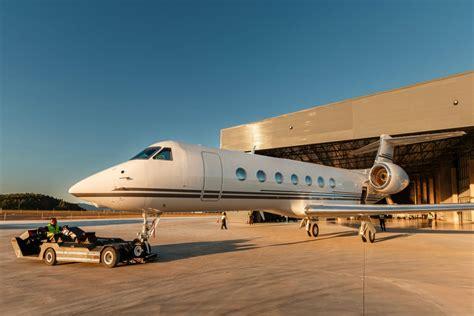
In private aviation, few domestic routes are as significant as the journey between New York and Miami. Connecting the financial capital of the United States with one of its fastest-growing centers for wealth, technology, luxury real estate, and international business, this corridor has evolved into one of the busiest private jet markets in the world. Thousands of executives, entrepreneurs, celebrities, investors, and affluent families travel between these cities every year, creating demand that remains strong throughout all seasons.
For travelers considering private aviation in 2026, one of the most common questions remains straightforward: how much does a private jet charter from New York to Miami actually cost? The answer varies significantly depending on aircraft type, airport selection, seasonality, and operational factors that extend far beyond simple flight time. While the route covers approximately 1,090 miles and typically requires less than three hours in the air, the final charter invoice can range from around $12,000 to well over $60,000 for a one-way journey.
Understanding what drives these costs provides valuable insight into one of America’s most important luxury travel corridors.
Why New York to Miami Is One of America’s Busiest Private Jet Routes
The New York–Miami connection has become far more than a simple leisure route. It links two economic powerhouses that increasingly share business interests, investment capital, and high-net-worth populations.
Over the past decade, Miami has transformed into a major destination for hedge funds, venture capital firms, technology startups, family offices, and international investors. At the same time, New York remains the country’s dominant center for finance, media, and corporate headquarters. The constant movement of executives and entrepreneurs between these regions has created a steady stream of private aviation demand unlike many other domestic routes.
Unlike seasonal leisure destinations that experience dramatic fluctuations in traffic, New York and Miami generate business and personal travel throughout the year. This consistency allows operators to maintain aircraft availability while simultaneously creating strong pricing power during peak periods.
The route’s popularity is further enhanced by its ideal distance. At approximately 2.5 to 3 hours of flight time, it falls within the operational sweet spot for nearly every category of business jet currently flying.
Aircraft Size Has the Biggest Impact on Charter Pricing
When determining the cost of a private charter, no factor is more important than aircraft category. Since nearly all business jets can comfortably complete the New York-to-Miami sector without fuel stops, travelers have an unusually broad range of aircraft choices.
Light jets remain among the most popular options. Aircraft such as the Citation CJ series and Embraer Phenom 300 offer an efficient balance between cost, speed, and passenger comfort. These jets are commonly selected by corporate travelers, small executive teams, and families seeking private travel without the expense of larger aircraft.
In 2026, travelers can generally expect one-way pricing between $12,000 and $24,000 for a light jet charter. Most aircraft in this category accommodate six to eight passengers and can complete the journey in under three hours while maintaining relatively low operating costs.
Midsize jets occupy the next tier of the market. Offering larger cabins, increased baggage capacity, and greater passenger comfort, these aircraft typically appeal to clients seeking additional space without entering the heavy-jet price bracket. Charter costs commonly range from $20,000 to $35,000 depending on aircraft type and market conditions.
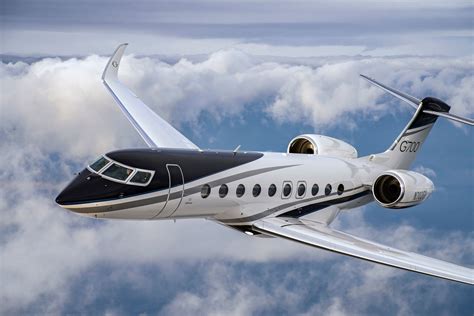
At the premium end of the spectrum, super-midsize and heavy jets deliver a significantly enhanced onboard experience. Aircraft such as the Bombardier Challenger family and Gulfstream models feature stand-up cabins, larger lavatories, advanced entertainment systems, superior baggage capacity, and longer-range capabilities.
For these aircraft, one-way charter prices typically range between $35,000 and $60,000 or more. Premium catering, flight attendants, upgraded cabin configurations, and exclusive concierge services can push costs even higher.
The True Cost Extends Beyond Flight Time
Many first-time private aviation customers assume charter pricing is based primarily on flight duration. While flight hours play a major role, operators must account for a wide range of additional expenses that influence final pricing.
Private jet companies operate within a highly regulated environment governed by strict maintenance requirements, crew duty limitations, training standards, and operational oversight. Every flight contributes to maintenance reserve costs, component replacement schedules, engine inspections, and aircraft depreciation.
Fuel remains one of the most significant operating expenses. Although fuel prices fluctuate throughout the year, larger aircraft can consume dramatically more fuel than smaller jets, creating substantial differences in operating costs even on relatively short routes.
Additional expenses may include landing fees, airport handling charges, overnight crew accommodation, aircraft parking fees, and seasonal weather-related services such as de-icing operations during winter departures from the Northeast.
The result is that a charter quote often reflects far more than simply placing an aircraft in the air for three hours.
Airport Selection Can Add or Reduce Thousands of Dollars
One of the lesser-known factors influencing charter pricing is airport choice.
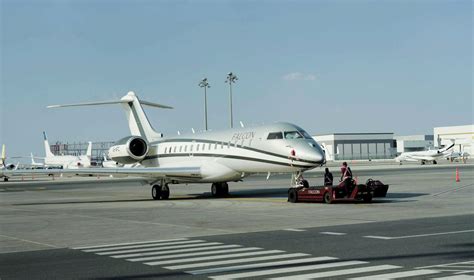
Although New York is commonly associated with major commercial airports such as JFK and LaGuardia, most private aviation activity occurs elsewhere. Dedicated business aviation airports offer faster operations, reduced congestion, and specialized facilities designed specifically for private travelers.
Teterboro Airport in New Jersey remains the dominant private aviation gateway serving the New York metropolitan area. Its proximity to Manhattan and extensive business aviation infrastructure make it one of the busiest private jet airports in the United States.
Other popular departure points include Westchester County Airport, Morristown Municipal Airport, and Republic Airport on Long Island. Each offers different advantages regarding convenience, operating costs, and scheduling flexibility.
In South Florida, travelers frequently arrive at Miami-Opa Locka Executive Airport or Fort Lauderdale Executive Airport rather than Miami International Airport. These facilities are designed to accommodate business aviation traffic while avoiding much of the congestion associated with commercial airline operations.
Airport-specific fees, parking limitations, runway availability, and local demand conditions can all influence the final charter quote. During periods of high activity, even small differences in airport choice can translate into meaningful cost savings.
Empty Leg Flights Offer the Best Value in Private Aviation
Among all available charter opportunities, empty-leg flights provide the greatest potential savings.
An empty leg occurs when an aircraft must reposition without passengers. For example, a jet that delivers passengers to Miami may need to return north to collect its next customer. Because these flights generate no revenue when flown empty, operators often offer them at heavily discounted rates.
The New York–Miami corridor produces a large volume of empty-leg opportunities due to the continuous flow of aircraft moving between the Northeast and South Florida. This makes the route particularly attractive for flexible travelers seeking private aviation at reduced prices.
Discounts commonly range from 25% to 75% below standard charter rates. In certain circumstances, travelers may secure a private jet flight for less than $10,000, depending on timing and aircraft category.
The primary limitation is flexibility. Departure times are fixed, routing cannot typically be modified, and inventory may appear with only a few hours’ notice. Nevertheless, for travelers able to adapt their schedules, empty legs remain one of the most compelling opportunities in private aviation.
Seasonal Demand Creates Major Price Fluctuations
The New York-to-Miami market experiences some of the most pronounced seasonal demand patterns in North American private aviation.
Between December and March, South Florida attracts an influx of wealthy seasonal residents, corporate executives, investors, and vacation travelers seeking warmer weather. This annual migration creates sustained demand that places significant pressure on available aircraft inventory.
During these months, charter prices frequently rise by 20% to 40% compared with off-peak periods. Light and midsize jets often experience the greatest price increases because they represent the most commonly requested aircraft categories.
Certain events generate even stronger demand spikes. Art Basel Miami Beach, the Miami Grand Prix, the Miami Open, New Year’s celebrations, and major holiday weekends can dramatically tighten aircraft availability.
During these periods, travelers who wait until the last minute often encounter limited aircraft selection and premium pricing. Advance booking becomes increasingly important, particularly for preferred departure times and popular airports.
Even within the same day, pricing may vary based on slot availability, airport congestion, crew scheduling, and aircraft positioning requirements.
Luxury Experience Differences Between Jet Categories
The private aviation experience changes substantially as aircraft size increases.
Light jets focus on efficiency and speed. Passengers enjoy private terminals, expedited boarding, and direct travel without airline-related delays, but cabin space remains relatively compact.
Midsize aircraft introduce larger seating areas, improved cabin height, enhanced luggage capacity, and more extensive onboard amenities. For many travelers, this category offers the ideal balance between value and comfort.
Heavy jets elevate the experience considerably. Stand-up cabins allow unrestricted movement, while advanced sound insulation creates a quieter environment for work or relaxation. Enhanced cabin pressurization reduces fatigue, particularly for frequent travelers.
Many heavy jets also feature dedicated flight attendants, gourmet catering, premium entertainment systems, satellite communications, and luxury interior finishes that rival high-end hotel suites.
These differences explain why travelers are often willing to pay substantially higher charter rates despite the route’s relatively short flight duration.
Why Chartering Usually Makes More Financial Sense Than Ownership
Although private jet ownership carries undeniable prestige, chartering remains the more practical option for many travelers.
Purchasing a business jet requires a substantial capital commitment. Even older midsize aircraft often cost between $3 million and $8 million, while newer models can easily exceed $20 million.
Ownership expenses continue long after acquisition. Maintenance programs, insurance, hangar storage, pilot salaries, recurrent training, regulatory compliance, and periodic upgrades generate significant annual costs regardless of flight activity.
Many owners spend more than $1 million annually simply maintaining aircraft readiness.
For individuals flying fewer than several hundred hours per year, chartering frequently delivers better financial efficiency. Travelers gain access to a diverse fleet without assuming ownership risk, depreciation exposure, or ongoing operational responsibilities.
This reality has fueled the growth of alternatives such as jet cards, fractional ownership programs, and on-demand charter services, allowing clients to enjoy private aviation while maintaining flexibility.

What Travelers Should Expect to Pay in 2026
For most passengers booking a one-way private jet charter between New York and Miami in 2026, realistic pricing falls into several broad categories.
Light jets generally cost between $12,000 and $24,000. Midsize aircraft typically range from $20,000 to $35,000. Super-midsize and heavy jets commonly start around $35,000 and can exceed $60,000 depending on aircraft model, demand conditions, and premium services requested.
Empty-leg opportunities may occasionally reduce costs dramatically, while peak-season demand can push pricing significantly above annual averages.
Ultimately, the New York-to-Miami route illustrates both the accessibility and complexity of modern private aviation. What appears to be a simple three-hour flight is shaped by aircraft selection, airport infrastructure, operational logistics, market demand, and luxury service expectations. For travelers seeking speed, privacy, convenience, and flexibility, it remains one of the most important—and most dynamic—private jet charter routes in the world.