The idea of crossing the Atlantic in a private jet has always carried a certain mystique—equal parts power, privacy, and precision. In 2026, that mystique hasn’t faded. If anything, it has become sharper, more defined, and undeniably more expensive. Flying privately between New York and London is no longer just a symbol of wealth; it is a calculated decision rooted in time efficiency, operational control, and elevated travel experience.
This route, linking two of the world’s most influential financial capitals, remains one of the busiest and most strategically valuable corridors in global aviation. While commercial airlines fight fiercely over premium cabin passengers, private aviation operates in a completely different dimension—one where flexibility outranks schedules and discretion outweighs price.
Understanding how much a private jet charter actually costs on this route in 2026 requires more than a simple number. It demands a closer look at aircraft categories, operational logistics, hidden variables, and the shifting forces shaping the industry.
Why the New York–London Route Dominates Private Aviation
The transatlantic stretch between New York and London is not just popular—it is foundational to private aviation economics. It connects Wall Street to the City of London, Silicon Alley to Europe’s financial nerve center, and a constant stream of executives, investors, and high-profile travelers moving between continents.
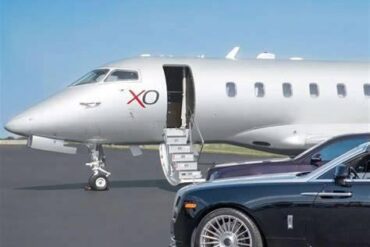
Private terminals at airports like Teterboro and Farnborough redefine the travel experience entirely. There are no long queues, no crowded lounges, and no rigid boarding times. Instead, travelers arrive minutes before departure, often driving directly to the aircraft.
Time, in this equation, becomes the most valuable currency.
A typical eastbound flight benefits from favorable jet streams, often completing the journey in just six to seven hours. Westbound flights, battling stronger headwinds, may stretch closer to eight. These differences are not trivial—they directly influence fuel burn, crew duty time, and ultimately, charter cost.
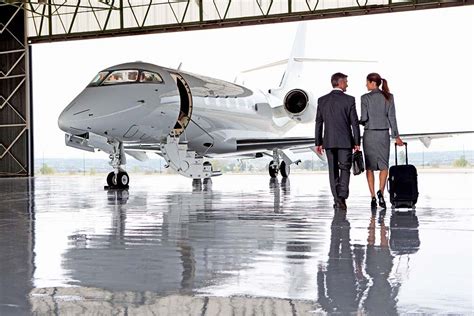
Beyond convenience, this route serves as a showcase for the most advanced aircraft in the world. Manufacturers design their flagship jets specifically to conquer routes like this nonstop, even under adverse weather conditions. That capability alone carries a premium.
Private Jet Charter Cost Breakdown in 2026
Let’s get to the number everyone cares about: how much does it actually cost?
In 2026, chartering a private jet from New York to London typically falls into three distinct pricing tiers, depending on the aircraft category:
- Super-midsize jets: $85,000 to $120,000
- Heavy jets: $120,000 to $180,000
- Ultra-long-range jets: $180,000 to $250,000+
These figures reflect one-way flights under standard conditions. Round-trip bookings, peak demand periods, and premium add-ons can push costs significantly higher.
What drives these differences is not just size—it’s capability.
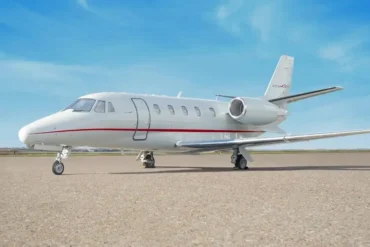
Super-midsize jets may attempt the route under ideal conditions but often face payload limitations or require technical stops. Heavy jets comfortably complete the journey, while ultra-long-range aircraft do so with margin, luxury, and operational flexibility.
For travelers seeking uninterrupted rest, privacy, and space, the jump from heavy jet to ultra-long-range aircraft is not just noticeable—it’s transformative.
The Aircraft That Define Transatlantic Luxury
Not all private jets are built equally, and on a route like New York to London, performance margins matter.
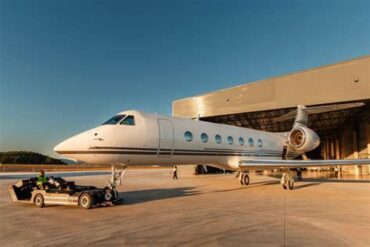
Aircraft such as the Gulfstream G650ER, Bombardier Global 7500, and Dassault Falcon 8X dominate this corridor for a reason. They combine range, speed, and cabin refinement in ways that smaller jets simply cannot match.
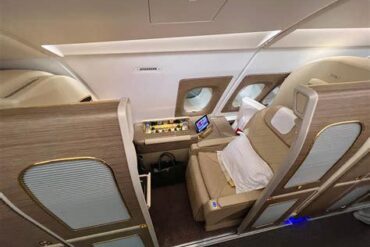
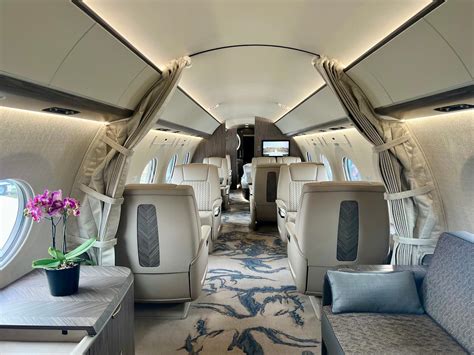
Inside, these aircraft resemble flying residences more than transportation tools. Fully lie-flat beds, enclosed suites, high-speed Wi-Fi, and advanced air purification systems are standard features. Some configurations even include dedicated dining areas and private lounges.
This is not just about comfort—it’s about maintaining productivity and well-being across time zones.
Passengers can sleep, conduct meetings, or arrive fully prepared for business engagements within hours of landing. That efficiency is often what justifies the cost.
Hidden Costs That Quietly Inflate the Final Price
Here’s where things get interesting—and expensive.
Many assume charter pricing is based purely on flight hours and fuel consumption. In reality, the final quote is shaped by a complex web of operational variables.
Repositioning flights, often referred to as “deadhead” legs, can significantly impact pricing. If the aircraft is not already in New York, the cost of flying it into position may be passed on to the client.
Airport fees also play a major role. Private-focused airports like Farnborough and Luton charge premium handling fees due to their infrastructure and exclusivity. These are not minor surcharges—they can add thousands to the final bill.
Then there are crew costs. Long-haul flights require regulated rest periods, overnight accommodations, and logistical coordination. Add luxury catering, ground transportation, and international taxes, and the total can escalate quickly.
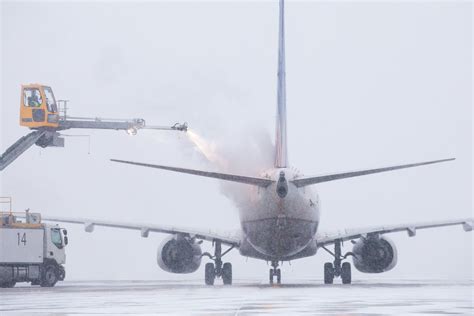
Even weather plays a role. Winter operations may require de-icing procedures, additional fuel reserves, or altered routing—all of which increase costs.
In short, the price you see initially is rarely the price you pay at the end.
Empty Leg Flights: The Industry’s Best-Kept Secret
There is one exception to the high-cost narrative, and it comes in the form of empty-leg flights.
These occur when an aircraft needs to reposition without passengers—often after completing a charter. Rather than flying empty, operators offer these flights at steep discounts.
On the New York–London route, empty-leg deals can drop prices dramatically, sometimes to as low as $60,000 to $80,000.
That’s not cheap, but compared to standard pricing, it’s a substantial reduction.
There’s a catch, of course.
Schedules are inflexible, routes may change, and cancellations can happen if the primary booking is altered. This is not a reliable option for travelers with strict timelines.
But for those with flexibility, it represents one of the few ways to access transatlantic private travel at a reduced cost.
Private Jet vs First Class: A Closer Economic Reality
At first glance, comparing private aviation to commercial first class seems almost absurd. The price gap appears too large to justify.
But when you factor in group travel, the equation changes.
A $140,000 heavy jet charter split among 14 passengers results in a per-person cost of approximately $10,000. During peak travel seasons, first-class tickets on major airlines can reach similar levels—sometimes even higher.
The difference lies in what that price delivers.
Private aviation offers total control over departure times, direct access to smaller airports, and a level of privacy that commercial airlines simply cannot replicate.
For corporate teams, the ability to travel together, hold meetings in-flight, and avoid delays often outweighs the marginal cost difference.
This is not about replacing commercial travel—it’s about redefining value.

Why Prices Fluctuate So Dramatically
One of the most misunderstood aspects of private aviation is pricing volatility.
Two identical flights, on the same aircraft, can produce wildly different quotes depending on timing and logistics.
Seasonality is a major driver. Events like Wimbledon, Fashion Week, and Formula 1 races create spikes in demand, pushing prices higher. The Christmas and summer holiday periods are particularly expensive.
Fuel prices also introduce variability. Even slight fluctuations in global oil markets can ripple through charter pricing.
Then there’s availability. A scarcity of aircraft in a specific region can force operators to reposition jets from elsewhere, adding cost.
In essence, private jet pricing behaves less like a fixed fare and more like a dynamic marketplace—constantly adjusting to supply, demand, and operational complexity.
Sustainability Pressures Are Changing the Industry
Private aviation has become a focal point in environmental debates, and in 2026, that scrutiny is intensifying.
Critics point to the disproportionate emissions per passenger compared to commercial flights. Governments, particularly in Europe, are exploring stricter regulations and targeted taxation.
Operators are responding with a mix of innovation and adaptation.
Sustainable Aviation Fuel (SAF) is emerging as a key solution. It can significantly reduce lifecycle carbon emissions, though it remains more expensive and less widely available than conventional jet fuel.
Modern aircraft are also improving efficiency. Newer models consume less fuel while offering greater range, creating a rare alignment between performance and sustainability.
Some charter providers now include carbon offset programs as part of their service, allowing passengers to mitigate their environmental impact.

While these measures don’t eliminate emissions, they signal a shift in how the industry approaches its environmental footprint.
The Future of Private Jet Pricing Across the Atlantic
Looking ahead, one thing is clear: private jet travel between New York and London will remain expensive.
Demand continues to grow, driven by global wealth expansion, corporate mobility needs, and a lasting preference for privacy and control. At the same time, supply remains constrained by aircraft availability, regulatory pressures, and operational complexity.
Ultra-long-range aircraft will play an increasingly dominant role. Models designed for efficiency and comfort will command premium pricing, but they will also redefine expectations for long-haul travel.
Technology will improve booking transparency and pricing models, but it will not fundamentally lower costs. If anything, the opposite is more likely.
The economics of private aviation are not built on affordability—they are built on value.
And for those who prioritize time, flexibility, and discretion, that value remains compelling.
Final Insight: What You’re Really Paying For
When you charter a private jet from New York to London, you’re not just paying for a flight.
You’re paying for control over your schedule, insulation from unpredictability, and an environment tailored entirely to your needs.
The six-figure price tag reflects far more than distance—it reflects access.
Access to time saved.
Access to privacy preserved.
Access to a level of travel that operates on your terms, not the industry’s.
And in 2026, that access remains one of the most exclusive commodities in aviation.