US Army Tanker Height Requirements for M1 Abrams Crews
The United States Army has strict physical standards for many military occupations, and operating an armored vehicle is one area where height can become a major factor. While many people imagine tank crews as needing only strength and endurance, the reality is that a soldier must also physically fit inside a highly specialized machine.
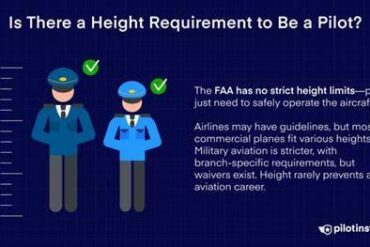
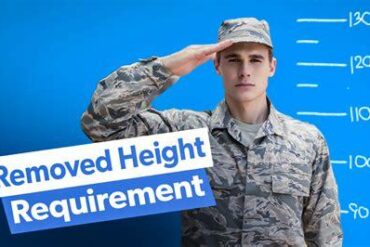
For soldiers serving as 19K Armor Crewmembers, the Army’s primary tanker occupational specialty, the maximum height requirement is 6 feet, 1 inch. This limit exists because tank interiors are designed around efficiency, protection, and mobility rather than comfort. A person who exceeds this height may struggle to safely operate controls, move through hatches, or remain effective during long missions.
The Army’s general enlistment height range allows personnel between 4 feet, 10 inches and 6 feet, 8 inches, but individual jobs can have additional restrictions. Tank crews, aircraft operators, and submarine personnel often face tighter requirements because their working environments have extremely limited space.
Why M1 Abrams Tanks Have Strict Space Limitations
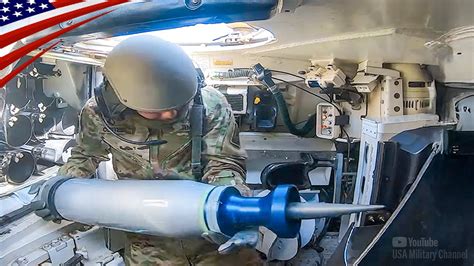
The M1 Abrams main battle tank is a powerful combat vehicle, but its interior is far from spacious. Every inch inside the vehicle is carefully designed to support armor protection, ammunition storage, mechanical systems, and crew survivability.
Tank designers face a difficult balance. Increasing the vehicle’s size could create more room for soldiers, but it would also make the tank heavier, less maneuverable, and easier for enemies to detect. A taller tank profile would provide a larger target while reducing battlefield advantages.
The driver’s position is especially restrictive. Unlike the commander, gunner, and loader, the driver sits separately in the front section of the hull. The compartment is positioned low inside the tank, with a small hatch above the driver and limited space for the legs and upper body.
The driver operates steering and throttle controls located between the legs while relying on displays and vehicle systems to understand the tank’s movement. For someone approaching or exceeding the height limit, the problem is not simply discomfort. Restricted movement can affect reaction time, safety, and the ability to perform under combat conditions.
What It Is Like Inside a Tank Driver’s Compartment
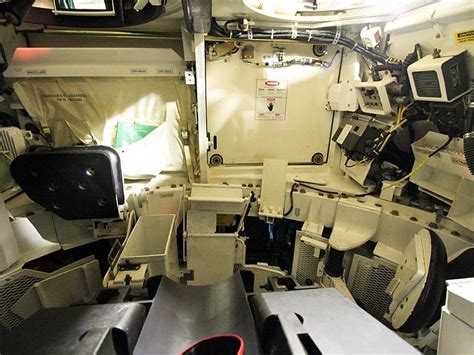
Inside an Abrams tank, every movement requires careful coordination. The crew does not have the freedom of movement found in larger military vehicles. The driver must enter through a narrow opening, settle into a compact seat, and operate the vehicle while surrounded by armor plating and equipment.
Even soldiers within the approved height range often describe tank interiors as cramped. A height limit of 6 feet, 1 inch does not mean that every person at that height will have a comfortable experience. Instead, it represents the practical boundary where safe operation remains possible.
Tank crews spend extended periods inside their vehicles during training exercises and deployments. They must be able to quickly exit during emergencies, maintain control of the tank over rough terrain, and work effectively despite heat, noise, and limited visibility.
Why Height Standards Matter for Military Vehicle Operators
Military height restrictions are not designed to exclude people unnecessarily. They exist because equipment is built around specific human dimensions. A soldier who cannot comfortably fit inside a vehicle may face increased fatigue and reduced performance.
The same principle applies to aircraft cockpits, naval vessels, and other specialized military systems. Modern military equipment requires operators who can interact with controls, safety systems, and emergency procedures without physical limitations becoming a hazard.
For most applicants, the 6-foot-1-inch tanker height limit does not prevent them from joining the armored forces. The average American man is around 5 feet, 9 inches tall, meaning many potential recruits fall comfortably within the required range.
The Reality of Being a Tanker
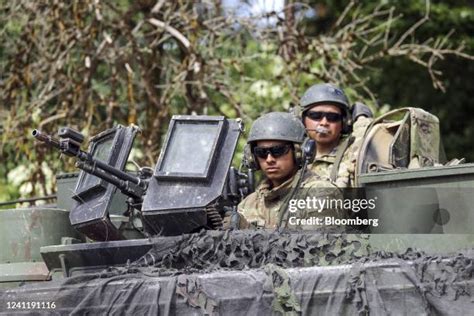
Driving an M1 Abrams is not just about handling a powerful machine. It requires discipline, technical knowledge, teamwork, and the ability to operate in an extremely confined environment. The height requirement reflects the practical challenges of placing humans inside one of the world’s most advanced armored vehicles.
For those who meet the physical standards, becoming a tanker offers the opportunity to operate a vehicle built for some of the most demanding missions on Earth. The tight interior is simply the tradeoff for the protection, firepower, and battlefield capability that modern tanks provide.