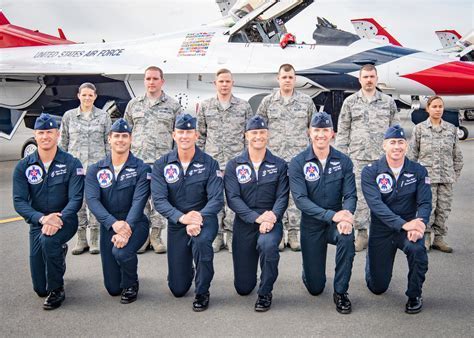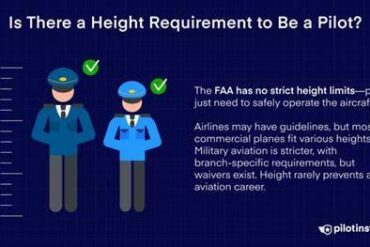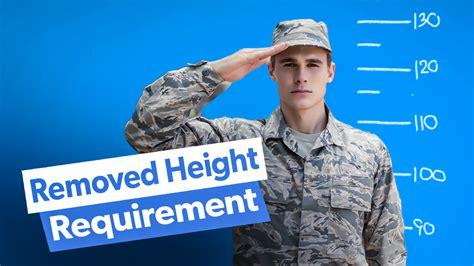
The United States Air Force (USAF) made a landmark decision on May 13, 2022, by officially removing the longstanding height requirement for prospective fighter pilots. This move was not merely a procedural adjustment but a strategic transformation aimed at addressing multiple pressing issues within the service, most notably its chronic pilot shortage and the urgent need to enhance diversity among its aviators.
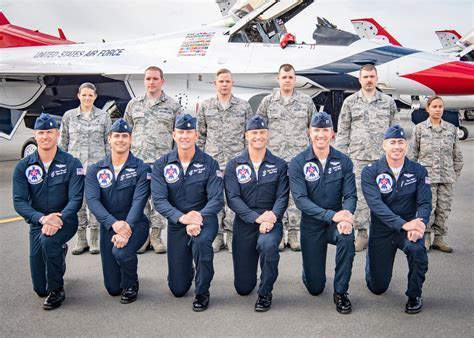
Historically, USAF fighter pilot candidates had to conform to a strict height standard — between 5 feet 4 inches and 6 feet 6 inches, with a sitting height ranging from 34 to 40 inches. These standards were rooted in cockpit design specifications tailored primarily for the average American male. Aircraft such as the F-16 Fighting Falcon and F-15 Eagle were engineered around this archetype, leaving many talented individuals, particularly women and minorities, at a distinct disadvantage.
The Practical Reasons Behind the Height Requirement
The original height requirement was fundamentally a safety and operational necessity. Pilots needed to be able to reach critical flight controls, operate the aircraft comfortably, and safely eject if necessary. In an environment where milliseconds and precision can mean the difference between mission success and failure, ensuring a “fit” between human and machine was paramount.
However, the USAF had always allowed for waivers for individuals outside these parameters, provided they passed an anthropometric measurement evaluation at specialized facilities such as Wright-Patterson Air Force Base in Ohio or the U.S. Air Force Academy in Colorado. This process measured not just height, but limb length, torso dimensions, and overall ergonomics.
Diversity and Inclusion: A New Imperative
Despite the waiver system, perception barriers remained. Lieutenant Colonel Jessica Ruttenber, an Air Force mobility planner and programmer, emphasized that many women and minority candidates self-selected out of the application process, assuming they were ineligible due to physical dimensions. Ruttenber noted that studies showed women, in particular, often refrain from applying for roles if they feel they do not meet every requirement, even when waivers are possible.
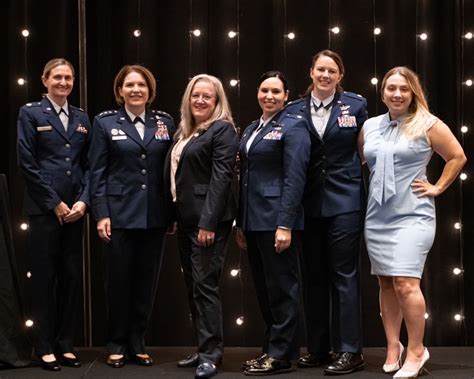
By officially removing the height requirement, the USAF sends a powerful signal that ability and determination, not body dimensions, are the primary criteria for becoming a pilot. This bold move opens the doors wider to underrepresented groups, promoting a more inclusive Air Force that better reflects the diverse society it defends.
The Pilot Shortage Crisis and Recruitment Challenges
Beyond diversity, the USAF faces a stark operational challenge: a severe shortage of trained pilots. The commercial aviation sector aggressively competes for qualified pilots, offering attractive salaries and stable civilian lifestyles. Meanwhile, military service demands extraordinary commitment and sacrifice.
As of August 2023, more than 900 candidates were on the waiting list to begin USAF pilot training. While a portion began training within three months, many waited nine months or longer, performing auxiliary duties such as marshalling aircraft, completing survival training, or pursuing graduate education during the interim.
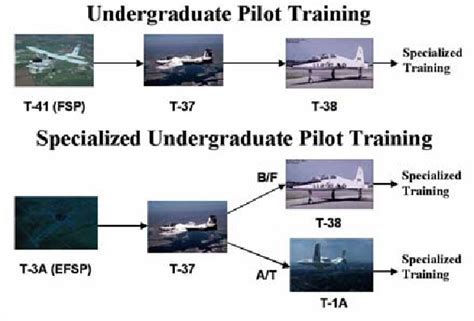
The bottleneck stems from several factors, including a shortage of instructors and training aircraft. The venerable Northrop T-38 Talon, introduced in 1961, remains the primary advanced trainer, but maintenance challenges and aging infrastructure limit throughput.
The T-38 Talon and Future Training Solutions
The T-38 Talon, a supersonic jet trainer, has been a stalwart of USAF pilot training for over six decades. Originally selected over alternatives like the F-100 Super Sabre due to its superior spin recovery characteristics, the T-38 has seen multiple upgrades over its service life.
Nevertheless, prolonged reliance on an aging platform is unsustainable. The USAF plans to replace the Talon with the Boeing–Saab T-7 Red Hawk, a modern supersonic trainer incorporating cutting-edge design and digital engineering. However, delays in the Red Hawk program mean that the T-38 must remain in service until at least 2027.
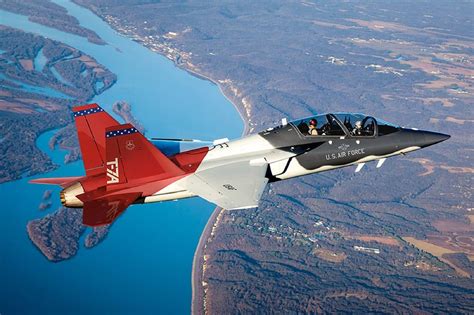
Meanwhile, companies like StandardAero have been contracted to refurbish T-38 engines, though slow turnaround times exacerbate training pipeline delays. Until the T-7 Red Hawk becomes operational, the USAF must optimize its current resources to maintain pilot production.
Changing Perceptions: Early Outreach and Community Involvement
Recognizing that structural changes alone are insufficient, USAF leadership underscores the necessity of early engagement with minority youth. General David Goldfein, former Chief of Staff, called for initiatives targeting grade- and middle-school students, emphasizing that diversity goals must be pursued “early and often” to be effective.
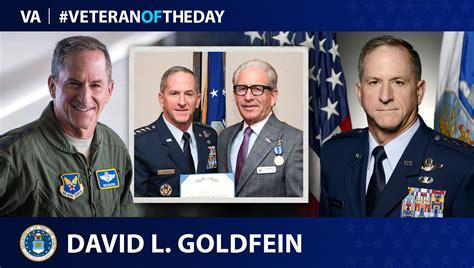
Goldfein stressed that outreach programs require dedicated leadership with “accountability, authority, and resources” to succeed. Embedding the idea of becoming a USAF pilot into young minds, particularly among underrepresented communities, is critical to reshaping the future force.
Implications for the Future of USAF Pilots
Removing the height requirement is a powerful symbol of institutional adaptability. It acknowledges that mission success in the 21st century demands more than technical excellence — it demands teams that are reflective of the nation’s strength in diversity.
Furthermore, as aerospace technology evolves, future cockpit designs are likely to accommodate a wider range of body types, particularly with the integration of adjustable controls, augmented reality interfaces, and adaptive ergonomics. These innovations will not only support a broader range of pilots but also enhance overall operational effectiveness.
While challenges such as pilot shortages, training bottlenecks, and commercial competition persist, initiatives like the removal of the height standard signify a commitment to progress. By expanding the pool of talent and investing in systemic change, the USAF positions itself to meet the complex demands of future air operations with a force that is both capable and representative.
Conclusion
The USAF’s decision to eliminate height restrictions for prospective fighter pilots is a strategic, forward-looking policy shift with far-reaching implications. By addressing both immediate operational needs and long-term diversity objectives, the Air Force ensures it will not only fill cockpits but also inspire future generations of Americans — regardless of gender, ethnicity, or body type — to take to the skies in defense of their nation.