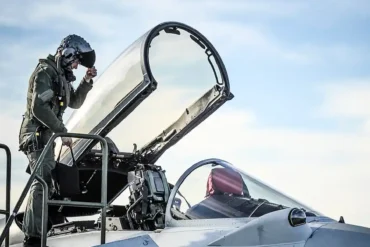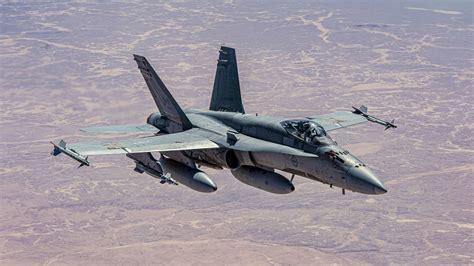
The Royal Canadian Air Force is entering one of the most expensive and technologically demanding transitions in its history. Canada is preparing to replace its aging CF-18 Hornet fleet with the fifth-generation CF-35, the Canadian designation for the F-35A Lightning II, while simultaneously attempting to solve a pilot shortage that has haunted Western air forces for decades. Yet even after significant pay increases introduced in 2025, many RCAF fighter pilots still believe compensation does not match the demands, risks, and opportunities tied to the profession.
The issue goes far beyond salary alone. Fighter pilots represent one of the most costly human investments any military can make. Training takes years, operational readiness requires constant flying hours, and the mental burden attached to modern combat aviation is enormous. At the same time, commercial airlines across North America continue offering dramatically better work-life balance and compensation packages that the military struggles to match.
Canada now faces a difficult balancing act: retain enough experienced aviators to keep the CF-18 fleet operational while building a new generation of pilots capable of flying the F-35 era into the 2030s.
The Salary Structure Of Royal Canadian Air Force Fighter Pilots In 2026
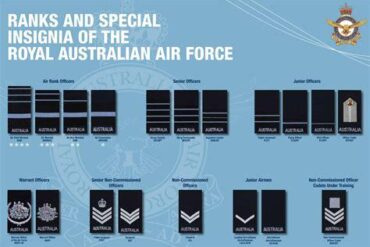
Unlike commercial airline pilots, Royal Canadian Air Force pilots are paid according to standardized military officer pay scales. Compensation is determined primarily by rank and years of service rather than by aircraft type or mission profile. This structure creates stability within the armed forces, but it also creates tension when fighter pilots compare their earnings to private-sector alternatives.
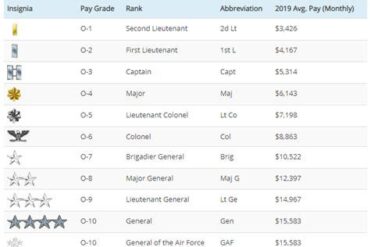
In 2026, most operational fighter pilots in the RCAF hold the rank of Captain. These pilots generally earn between $77,600 USD at the lower pay increments and approximately $105,100 USD after gaining substantial experience. Senior Captains at higher pay increments can reportedly earn around $155,300 USD, particularly after allowances and bonuses are added.
Majors, who frequently occupy instructor roles, flight leadership positions, or operational planning assignments, earn more. Salaries for Majors begin near $128,300 USD and can rise above $160,000 USD depending on service length and pensionable benefits.
Lieutenant-Colonels, often responsible for command-level positions or squadron leadership, earn base salaries starting around $159,200 USD, rising toward $166,400 USD.
These figures appear competitive on paper, especially compared to average Canadian household income. However, fighter pilot compensation becomes less impressive once compared against the commercial aviation sector.
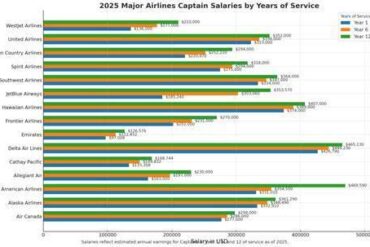
Major North American airlines continue aggressively recruiting experienced aviators. Captains at major airlines can earn several hundred thousand dollars annually while enjoying more predictable schedules, better family stability, and significantly lower personal risk.
For many RCAF pilots, the comparison becomes difficult to ignore.
Why Higher Military Pay Still Has Not Solved The Pilot Crisis
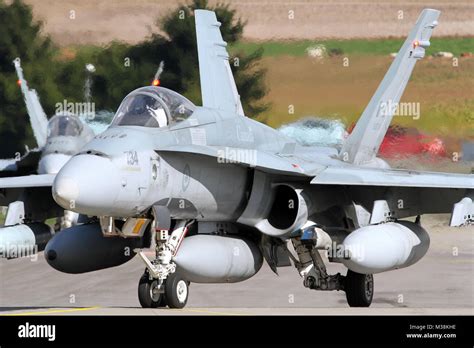
Canada introduced major compensation reforms after years of mounting concern over pilot shortages. In 2025, the government approved substantial pensionable pay increases across the Canadian Armed Forces. Most military personnel up to Lieutenant-Colonel received approximately a 13% salary increase, while junior enlisted personnel saw increases as high as 20%.
The move was intended to improve recruitment and stop the steady flow of trained personnel toward commercial airlines.
Yet retention problems continue.
One reason is that military pilot dissatisfaction is not solely about base pay. Fighter pilots often spend years relocating between bases, accepting deployments, missing family milestones, and operating under immense physical and psychological stress. Airline pilots, meanwhile, increasingly enjoy lucrative contracts fueled by post-pandemic travel demand and persistent pilot shortages in civil aviation.
Air Canada and other carriers have negotiated substantial wage increases in recent years. Some airline compensation packages now exceed what senior military officers earn, especially when overtime, profit-sharing, and retirement benefits are included.
The RCAF also faces a structural disadvantage because military compensation systems are rigid. Public-sector pay frameworks prioritize standardization and hierarchy. Commercial airlines operate in a competitive market capable of rapidly adjusting salaries to attract talent.
This mismatch has created an uncomfortable reality: some military pilots can now earn more by refusing promotion.
The Promotion Problem Inside The RCAF
One of the most controversial consequences of Canada’s revised pilot pay structure emerged shortly after implementation. Internal reports revealed that certain Captains were earning more than newly promoted Majors due to the interaction between specialized pilot pay and standard officer pay scales.
That created a bizarre incentive system.
Some pilots reportedly delayed or declined promotions because promotion could temporarily reduce their effective income. In an institution built around hierarchy, leadership progression, and operational command responsibility, the situation created frustration across multiple levels of the force.
The issue also exposed a deeper problem with military aviation compensation: fighter pilots occupy a uniquely valuable role, but the broader military system is not designed to reward specialization the same way private industry does.
In commercial aviation, the market openly acknowledges pilot scarcity. In military organizations, equality between officer branches often takes precedence over market-driven compensation realities.
As Canada prepares for the arrival of the F-35, this contradiction is becoming increasingly difficult to manage.
The Enormous Cost Of Training Fighter Pilots
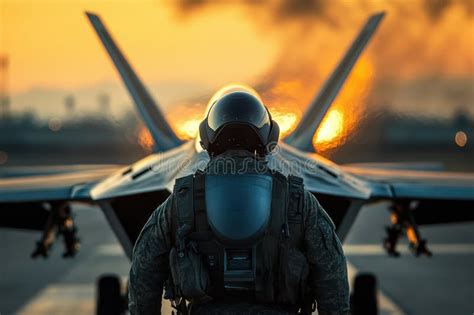
Modern fighter pilots are among the most expensive personnel any government can produce. Training a pilot for frontline fast-jet operations costs millions long before the aviator becomes fully combat-ready.
Estimates suggest that training a single F-35A pilot in 2026 costs roughly $15 million USD. That figure includes flight training, simulator time, instructor resources, operational conversion training, and advanced tactical preparation.
The aircraft itself only magnifies the challenge. Fifth-generation fighters demand mastery of sensor fusion, electronic warfare systems, network-centric combat operations, and advanced mission management capabilities that older fighters never required.
The result is that fighter pilots effectively become strategic assets.
Air forces cannot rapidly replace them. Even when governments accelerate recruitment, the pipeline from civilian applicant to operational fighter pilot takes many years. Attrition during training remains high, and only a small percentage of candidates ultimately qualify for frontline fighter squadrons.
Canada’s pilot shortage therefore creates a dangerous cycle. When experienced pilots leave, the burden on remaining personnel intensifies. Fewer instructors become available. Operational tempo increases. Burnout worsens. Retention becomes even harder.
This problem is not unique to Canada. It is affecting nearly every major Western air force.
Canada Is Not Alone In Facing Pilot Shortages
The Royal Canadian Air Force is part of a broader international struggle to maintain sufficient pilot numbers.
The United States Air Force has spent years attempting to address persistent pilot shortfalls. The Royal Air Force in the United Kingdom faces similar retention problems, particularly among mid-career pilots. India, Australia, and several NATO countries continue experiencing recruitment and retention pressures as commercial airlines absorb trained aviators at an aggressive pace.
In 2018, Canadian officials acknowledged that the RCAF was short approximately 275 pilots, representing roughly 17% of required staffing levels. The shortage extended beyond fighter aviation into transport aircraft, maritime patrol aviation, and support operations.
At the same time, the demands placed on air forces continue increasing.
Canada must maintain NORAD commitments, contribute to NATO operations, patrol Arctic airspace, and prepare for future geopolitical instability. These missions require experienced aviators, not merely aircraft sitting on runways.
A fighter jet without a trained pilot is strategically useless.
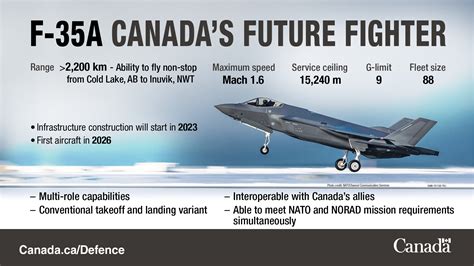
The F-35 Transition Could Intensify Pressure
Canada’s transition toward the CF-35 represents a transformational moment for the RCAF, but it also introduces new complications.
The F-35 is not simply a replacement for the CF-18. It fundamentally changes how pilots operate in combat environments. The aircraft acts as an airborne intelligence and sensor platform as much as a traditional fighter.
Pilots transitioning into the F-35 ecosystem require additional training depth compared to previous generations. Simulator infrastructure, instructor availability, maintenance integration, and software-driven operational concepts all increase the complexity of pilot development.
Canada’s first F-35s are expected to begin flying in 2026 within the United States for training purposes before physical deliveries to Canadian soil begin around 2028. Operational readiness is expected in the early 2030s.
This timeline means Canada must simultaneously sustain aging CF-18 operations while building an entirely new generation of fifth-generation fighter expertise.
That transition becomes substantially harder if experienced aviators continue leaving for civilian careers.
Some analysts argue that retaining veteran fighter pilots may ultimately matter more than acquiring additional aircraft. The logic is straightforward: advanced fighters cannot fulfill their strategic purpose without highly trained crews capable of exploiting their capabilities.
Why Commercial Airlines Keep Winning The Talent Battle
Military fighter aviation has always relied partly on prestige, patriotism, and mission purpose. Many pilots join because they want to fly high-performance aircraft and serve their country, not because they expect enormous salaries.
However, the economics eventually become difficult to ignore.
Commercial aviation offers advantages that military life rarely can:
- Higher long-term earning potential
- More predictable schedules
- Reduced deployment risks
- Greater geographic stability for families
- Strong retirement packages
- Lower physical and psychological strain
Military pilots often spend years enduring relocations, exercises, temporary duty assignments, and operational uncertainty. Airline pilots may work demanding schedules too, but they generally avoid combat risk and enjoy clearer career progression.
As commercial carriers face their own staffing shortages, military-trained pilots become extremely attractive hires. Airlines effectively receive highly disciplined aviators whose training costs were largely absorbed by governments.
This dynamic has existed for decades, but the gap widened dramatically after pandemic-era pilot shortages triggered major airline wage increases.
Fighter Pilot Shortages Are As Old As Air Warfare Itself
The current RCAF situation may feel modern, but the underlying problem is remarkably old.
During the First World War, military aviation expanded faster than pilot training systems could adapt. Aircraft production was comparatively easy; producing skilled aviators was far harder. Wealthy civilians who already knew how to fly became valuable military assets almost overnight.
The same imbalance appeared during the Second World War. During the Battle of Britain, the Royal Air Force depended heavily on foreign pilots because experienced British aviators were in critically short supply. Later in the Pacific War, Japan’s inability to replace veteran pilots contributed significantly to the collapse of its naval aviation capability.
Modern fighter aircraft are incomparably more sophisticated, but the strategic principle remains unchanged.
Aircraft can be manufactured. Experienced fighter pilots cannot be mass-produced.
Today’s fighter pilots must understand advanced avionics, data fusion systems, electronic warfare, beyond-visual-range combat doctrine, and increasingly complex multinational operational environments. The intellectual demands are as extraordinary as the physical requirements.
That reality explains why modern air forces treat experienced pilots as irreplaceable assets.
The Future Of The RCAF Depends On Retaining Experience
Canada’s pilot shortage cannot be solved through salary increases alone, although compensation remains a critical factor. The challenge involves quality of life, operational tempo, career flexibility, training capacity, and long-term institutional culture.
Autonomous systems and artificial intelligence may eventually reduce pilot requirements in some areas. Crewed-uncrewed teaming concepts are already reshaping future air combat doctrine. Yet fully replacing human fighter pilots remains a distant prospect, especially for NATO-aligned air forces operating advanced multirole aircraft.
For the foreseeable future, Canada still needs highly trained men and women willing to fly frontline combat aircraft in increasingly demanding environments.
The irony is difficult to miss. Fighter pilots are among the most expensive professionals the Canadian government trains, yet retaining them continues proving extraordinarily difficult. Every experienced aviator who leaves represents not just a personnel loss, but the departure of years of operational expertise and millions of dollars in taxpayer investment.
As the CF-35 era approaches, the Royal Canadian Air Force faces a defining question: can it build a compensation and career system capable of keeping elite pilots in uniform long enough to sustain Canada’s future airpower ambitions?
The answer may determine whether the country’s next-generation fighter fleet becomes a strategic advantage or an expensive capability constrained by a shortage of the people needed to fly it.