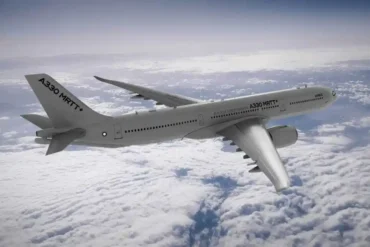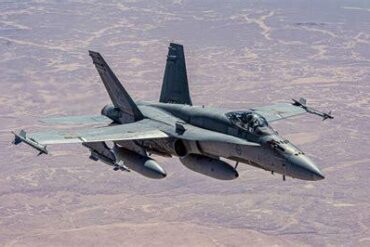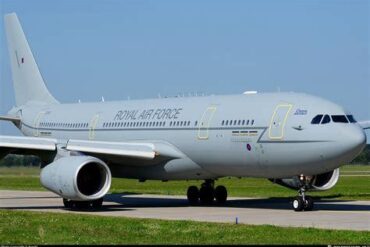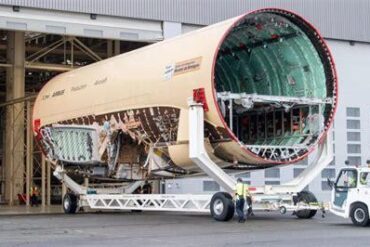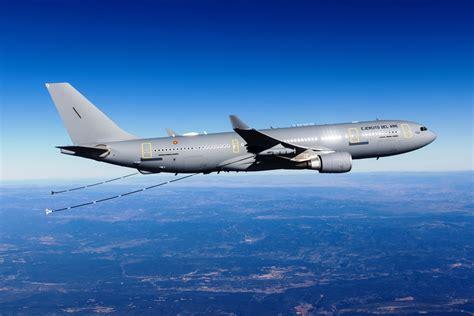
On July 3, 2025, a significant milestone was reached in Canada’s ongoing modernization of its military air capabilities. The first Airbus A330 aircraft earmarked for the Royal Canadian Air Force (RCAF) arrived at the Airbus Defence and Space facility in Getafe, Spain, to undergo a meticulous transformation into a Multi-Role Tanker Transport (MRTT). This marks the formal initiation of Canada’s Strategic Tanker Transport Capability (STTC) project, a program designed to replace the aging CC-150 Polaris fleet with advanced aerial refueling and strategic lift platforms.
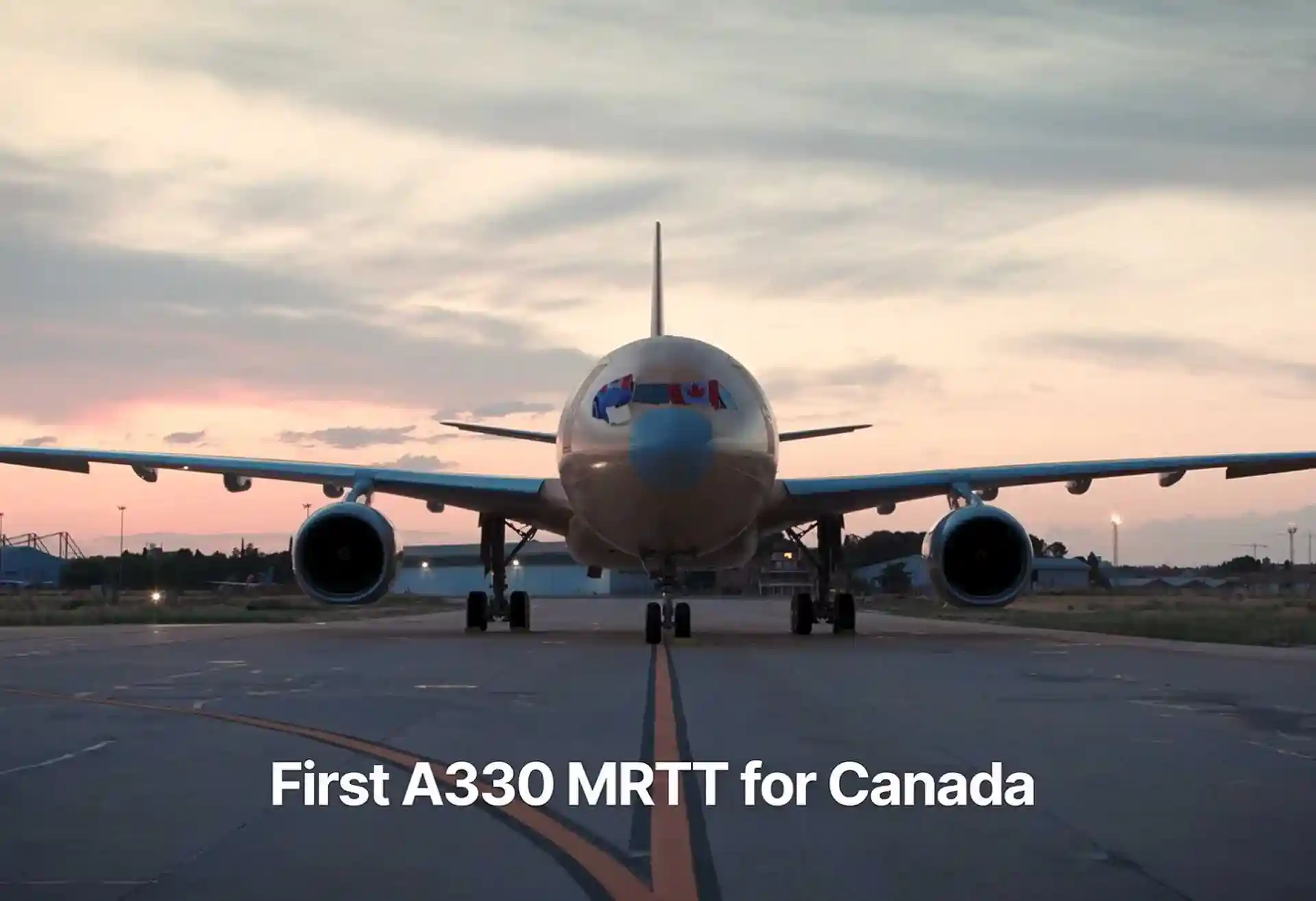
Canada’s Strategic Leap: The STTC Project
The STTC program, formally contracted on July 25, 2023, between the Government of Canada and Airbus Defence and Space, represents a CAD $3.6 billion commitment to elevating Canada’s aerial capabilities. This ambitious initiative includes the procurement of nine MRTT aircraft, comprised of four newly-built Airbus A330 MRTTs and five used A330-200 airframes to be converted into MRTT configuration.
By adopting a hybrid acquisition approach—blending brand-new units with converted pre-owned aircraft—Canada not only balances cost-efficiency with cutting-edge capability but also accelerates the delivery timeline. The first of these modified tankers is projected to enter service by 2027, with the entire fleet expected to achieve full operational capability by 2033.
This move repositions Canada among leading NATO allies in terms of strategic airlift and refueling capability, enhancing its readiness to support global operations and continental defense under NORAD commitments.
What Is the Airbus A330 MRTT?
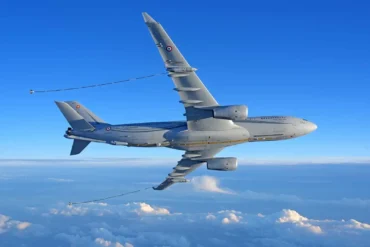
The Airbus A330 MRTT stands as one of the most advanced and versatile air refueling and transport platforms currently in global military service. Based on the proven A330-200 commercial airframe, the MRTT blends civilian aviation reliability with military-grade systems to fulfill a wide range of missions:
- Aerial Refueling: Equipped with both the probe-and-drogue and fly-by-wire boom systems
- Strategic Airlift: Capacity to carry up to 300 passengers or 45 tonnes of cargo
- Medical Evacuation: Configurable with Airbus’s modular MEDEVAC kits
This versatility allows a single aircraft to switch roles rapidly—from refueling fighter jets over conflict zones to airlifting humanitarian aid or wounded personnel in a crisis.
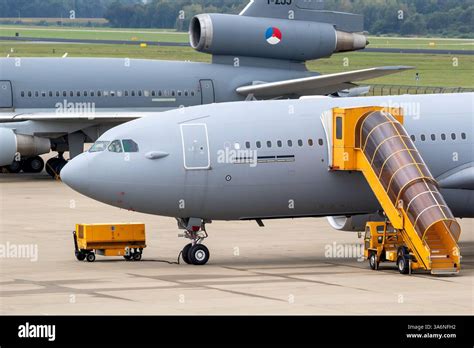
A Dual Refueling System for Maximum Interoperability
One of the standout features of the MRTT is its dual refueling system, which ensures interoperability across a broad spectrum of allied airframes. This includes both NATO-standard systems:
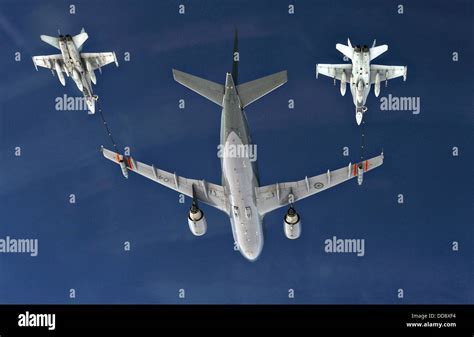
- Probe-and-Drogue System: Utilizes underwing pods with retractable hoses and a fuselage centerline hose. It allows simultaneous refueling of two aircraft, often used by naval aviation and helicopters.
- Boom System: A rigid telescopic tube controlled by a boom operator. It delivers higher fuel transfer rates, ideal for large receiver aircraft like strategic bombers or transport aircraft.
The dual system ensures that Canadian aircraft can not only refuel from allied tankers but also extend fuel support to a variety of NATO and coalition platforms, boosting joint mission effectiveness.
Why the Polaris Needed Replacement
Canada’s existing fleet of CC-150 Polaris aircraft, adapted from the Airbus A310, has served reliably for decades but is now technologically outdated. These airframes face limitations in terms of:
- Range and fuel offload capacity
- Lack of multi-role adaptability
- Outdated avionics and self-defense systems
By transitioning to the MRTT, the Royal Canadian Air Force gains a significantly more capable and future-proof platform with extended range, modern protection suites, and modular reconfiguration options.
Enhanced Cybersecurity and Survivability
The upcoming Canadian MRTT fleet will integrate advanced cybersecurity frameworks and self-protection countermeasures, ensuring their survivability in modern contested environments. These systems include:
- Missile approach warning sensors
- Infrared countermeasures
- Secure communications systems
Such capabilities are crucial for maintaining mission assurance in hostile or electronically contested zones, especially during operations alongside allies in volatile regions.
Strategic Impact on NATO and NORAD Missions
The importance of the A330 MRTT extends beyond national capability—it reinforces Canada’s commitment to collective defense. In NATO-led or NORAD missions, aerial tankers enable persistent air presence, critical for:
- Air policing operations in Europe
- Maritime patrol support
- Rapid response to regional crises
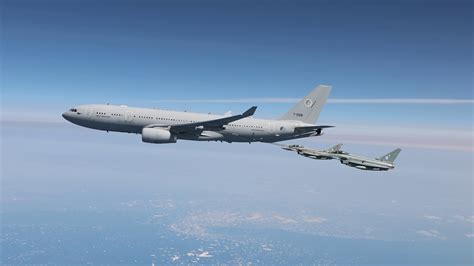
These missions often demand extended loiter times and long-range ferrying—conditions perfectly suited for MRTT operations. The ability to refuel both Canadian and allied platforms mid-flight dramatically increases operational reach and sustainability.
Preparing for the Future: Autonomous Refueling and UAS Support
Looking ahead, Airbus is developing cutting-edge solutions such as the Automated Aerial Refueling (A3R) system. This technology aims to enable fully autonomous refueling processes—crucial for the next generation of operations involving unmanned aerial systems (UAS).
The Royal Canadian Air Force is expected to benefit from these innovations as MRTTs are upgraded with software and hardware to support drone refueling missions, opening doors to future network-centric warfare and persistent ISR (Intelligence, Surveillance, and Reconnaissance) capabilities.
Economic and Industrial Synergies
The STTC program also brings economic benefits, both directly and indirectly. Through its contract with Airbus, Canada gains access to advanced maintenance procedures, training programs, and industrial collaboration opportunities. There is potential for:
- Technology transfer
- Job creation in aerospace maintenance and training sectors
- Participation in global Airbus supply chains
These partnerships also open the door for Canadian aerospace firms to support international MRTT fleets, possibly creating a niche for domestic industry in global sustainment contracts.
Timeline and Delivery Milestones
The current timeline for Canada’s MRTT program outlines a well-paced transition:
- 2025: Arrival of first A330 aircraft in Getafe for conversion
- 2027: Entry into service of first MRTT for RCAF
- 2033: Full operational capability with all nine MRTTs active
This gradual onboarding process ensures minimal disruption to current operations while training, infrastructure, and support mechanisms are adapted.
Conclusion: A Transformational Moment for Canadian Air Power
The arrival of the first Airbus A330 in Spain is far more than a logistical footnote—it signals a transformational shift in Canada’s air force strategy. With MRTTs on the horizon, the Royal Canadian Air Force will command a fleet that not only meets today’s mission demands but also anticipates tomorrow’s threats and operational landscapes.
This evolution from the aging Polaris fleet to the multi-role, technologically superior A330 MRTT is a clear investment in national sovereignty, coalition interoperability, and global strategic reach. It strengthens Canada’s position within NATO and NORAD, expands its humanitarian response toolkit, and modernizes its air mobility architecture for decades to come.