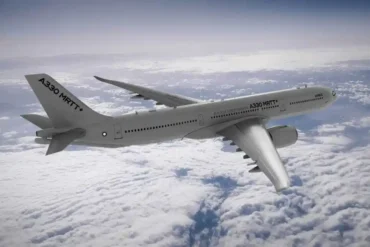
Poland is embarking on a strategic transformation of its air force by planning the acquisition of Airbus A330 Multi Role Tanker Transport (MRTT) aircraft under the European Union’s Security Action for Europe (SAFE) funding mechanism. This move signals Warsaw’s intent to create a national aerial refueling and strategic transport capability that would expand the operational reach of its growing combat aviation fleet and bolster its ability to respond swiftly along NATO’s eastern frontier.
Poland’s Strategic Vision: Sovereign Aerial Refueling Capacity
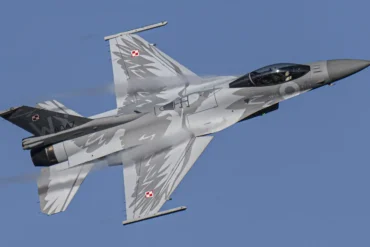
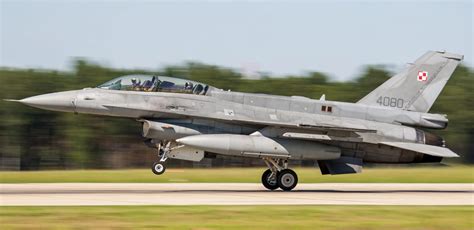
As of December 2025, the Polish Ministry of National Defence confirmed that in-flight refueling has become a central operational requirement for the Polish Air Force (PAF). This decision follows incidents highlighting Poland’s dependency on NATO tanker support, such as the recent intrusion of Russian drones into Polish airspace, which necessitated fuel-intensive rapid response missions from Polish F-16s, supported by NATO assets.
Defense Minister Władysław Kosiniak-Kamysz emphasized the urgency of reducing this reliance, asserting that Poland must be able to deploy its tankers autonomously, without waiting for allied enablers. The acquisition of up to four Airbus A330 MRTTs, therefore, represents a commitment not only to wartime sustainability but also to peacetime readiness and air-policing effectiveness.
SAFE Framework: Shaping Procurement and Industrial Eligibility
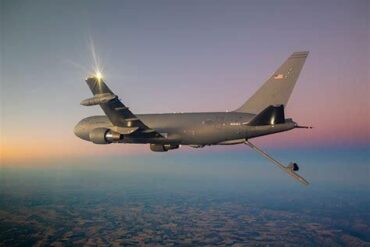
The SAFE mechanism plays a pivotal role in shaping Poland’s procurement roadmap. It offers low-interest loans for defense-related investments, with stipulations that reinforce European industrial integration. Notably, at least 65% of a platform’s value must originate within the EU, which excludes U.S.-built platforms such as Boeing’s KC-46A Pegasus from eligibility.
Within these parameters, Airbus’s A330 MRTT emerges as the only viable option, being fully compliant with SAFE’s sourcing requirements and tailored to provide both aerial refueling and long-range airlift capabilities. This strategic alignment ensures not only operational compatibility with NATO aircraft but also access to European financial support.
Tactical and Strategic Value of the A330 MRTT
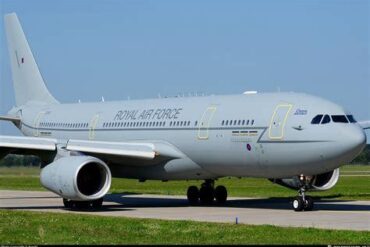
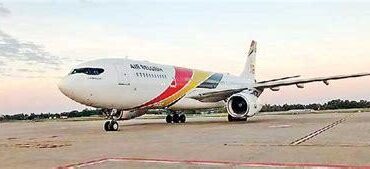
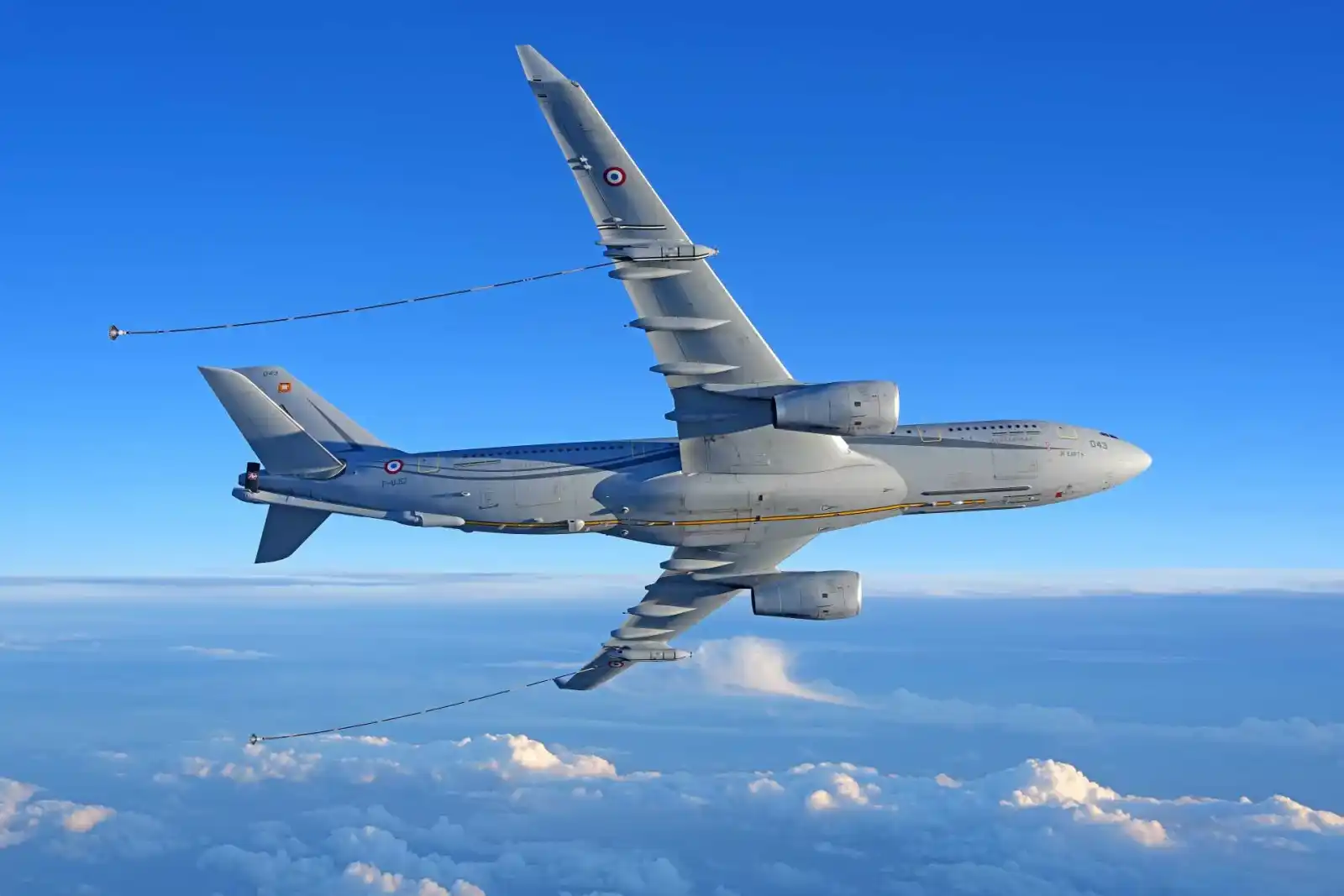
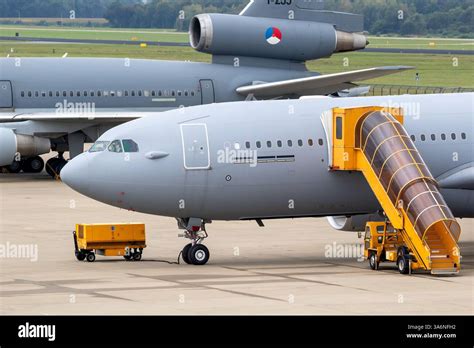
Built on the proven A330-200 commercial airframe, the MRTT is a twin-engine, wide-body tanker and transport aircraft with exceptional versatility. Capable of carrying approximately 111 tonnes of fuel, the MRTT can refuel multiple aircraft types per sortie—including Poland’s F-16s, incoming F-35As, and newly acquired FA-50PLs.
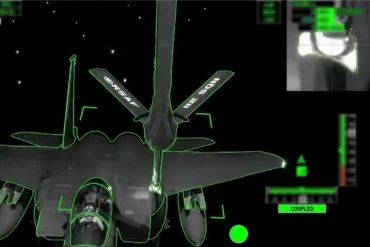
The aircraft features both boom and hose-and-drogue systems, allowing it to support a wide range of NATO receivers. In addition to aerial refueling, the MRTT offers:
- Strategic Airlift: With a cargo capacity of up to 45 tonnes or 267 passengers, the MRTT can support troop deployments, equipment transport, and multinational exercises.
- Aeromedical Evacuation (MEDEVAC): The aircraft can be reconfigured with intensive care modules, making it ideal for humanitarian and wartime casualty missions.
- Extended Range and Endurance: A typical endurance of up to 15,000 km, depending on mission profile, means the MRTT can reach distant theaters without intermediate stops.
Meeting the Needs of a Modernized Combat Fleet
Poland’s acquisition of advanced fighter jets necessitates a support infrastructure capable of sustaining long-duration missions. The Polish Air Force is undergoing a major expansion, with:
- 47 F-16C/D Block 52+ already operational.
- 32 F-35A Lightning II stealth fighters on order.
- 36 FA-50PL light fighters being integrated.
These platforms, while modern and capable, require persistent airborne support to maintain patrols and ensure mission flexibility. Without in-flight refueling, fighter missions are limited by short loiter times, rapid fuel depletion during high-performance maneuvers, and increased land-refuel-relaunch cycles.
General Ireneusz Nowak emphasized that dedicated tanker aircraft increase sortie effectiveness while reducing the number of fighters and pilots needed on station. This enhances readiness, conserves resources, and aligns with NATO’s push for more interoperable and sustainable Eastern European forces.
Historical Context: Karkonosze Program Reignited
Poland’s push for sovereign refueling capabilities is not new. The Karkonosze program, first launched around 2008, was intended to build a dual-role fleet for both refueling and strategic transport. However, delays, shifting political priorities, and Poland’s brief participation in NATO’s Multinational MRTT Fleet (MMF) led to a postponement around 2010 and eventual withdrawal from the MMF by 2016.
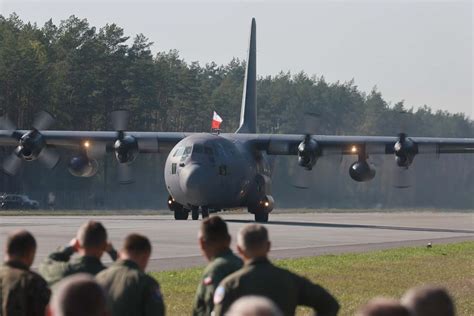
In early 2025, Poland considered renewed cooperation with France and Spain, and even re-entry into MMF discussions. However, the SAFE-aligned A330 MRTT purchase is now viewed as the most practical, sovereign path to achieving the long-standing Karkonosze goals. This iteration of the program underscores Poland’s pivot toward self-reliance in airpower logistics, with European financial support and industrial collaboration as key enablers.
Financial Scope and Delivery Horizon
The proposed procurement includes 2 to 4 MRTT aircraft, with a potential total investment of €1 billion. This sum is part of a larger €43.7 billion SAFE package that Poland is leveraging for defense modernization, including ground systems, cyber capabilities, and other air domain assets.
Defense planners anticipate deliveries extending through 2030, aligning with broader NATO timelines for readiness enhancement in the region. This forward-looking strategy ensures that by the next decade, Poland will have:
- Sovereign refueling capacity for regional crisis response.
- Strategic airlift for global engagements and alliance commitments.
- Reduced dependency on NATO tankers, which are often overtasked during joint operations.
Strategic Autonomy on NATO’s Eastern Flank
Poland’s geographic position, bordering Belarus, Ukraine, and the Russian exclave of Kaliningrad, places it at the epicenter of NATO’s eastern security architecture. As a frontline state, Warsaw must be prepared for fast-moving threats, airspace violations, and extended deterrence operations. The MRTT fleet will allow Poland to:
- Keep fighters airborne during prolonged alert missions.
- Refuel aircraft en route to forward-operating bases or exercises in the Baltics and Scandinavia.
- Support long-haul deployments to Africa or the Middle East in coalition missions.
- Provide humanitarian relief through rapid airbridge operations.
The decision to invest in such capability is not just about operational effectiveness. It is a clear signal to NATO allies and adversaries alike that Poland is ready to lead and sustain high-intensity air operations in the region.
Conclusion: A Defining Move Toward Modern Airpower
Poland’s upcoming acquisition of the Airbus A330 MRTT represents a watershed moment for its defense posture. By aligning operational needs with the SAFE funding framework, Warsaw is simultaneously strengthening strategic autonomy, enhancing alliance interoperability, and preparing for the challenges of a volatile security environment.
The MRTT’s multi-role flexibility, combined with European financial backing, positions Poland to become a key logistical hub within NATO’s eastern defense network—capable of sustaining deterrence, enabling projection, and responding swiftly across vast distances. In doing so, it transforms Poland from a dependent receiver of allied support into a strategic provider of critical enabler capabilities.
As the air domain becomes increasingly contested and congested, Poland’s move to secure its own aerial refueling and strategic lift assets is both pragmatic and visionary—anchoring its status as a forward-leaning NATO power with real operational reach.