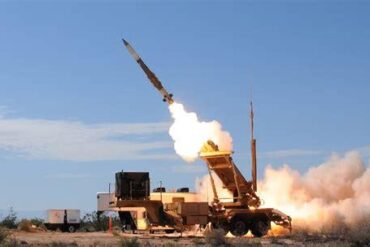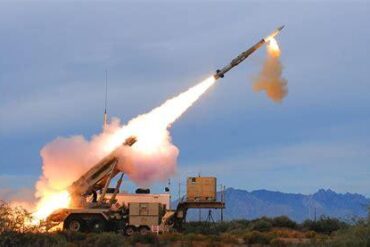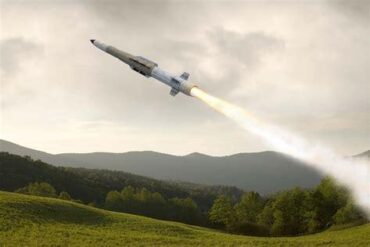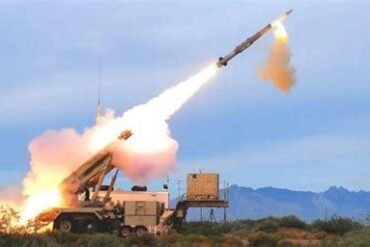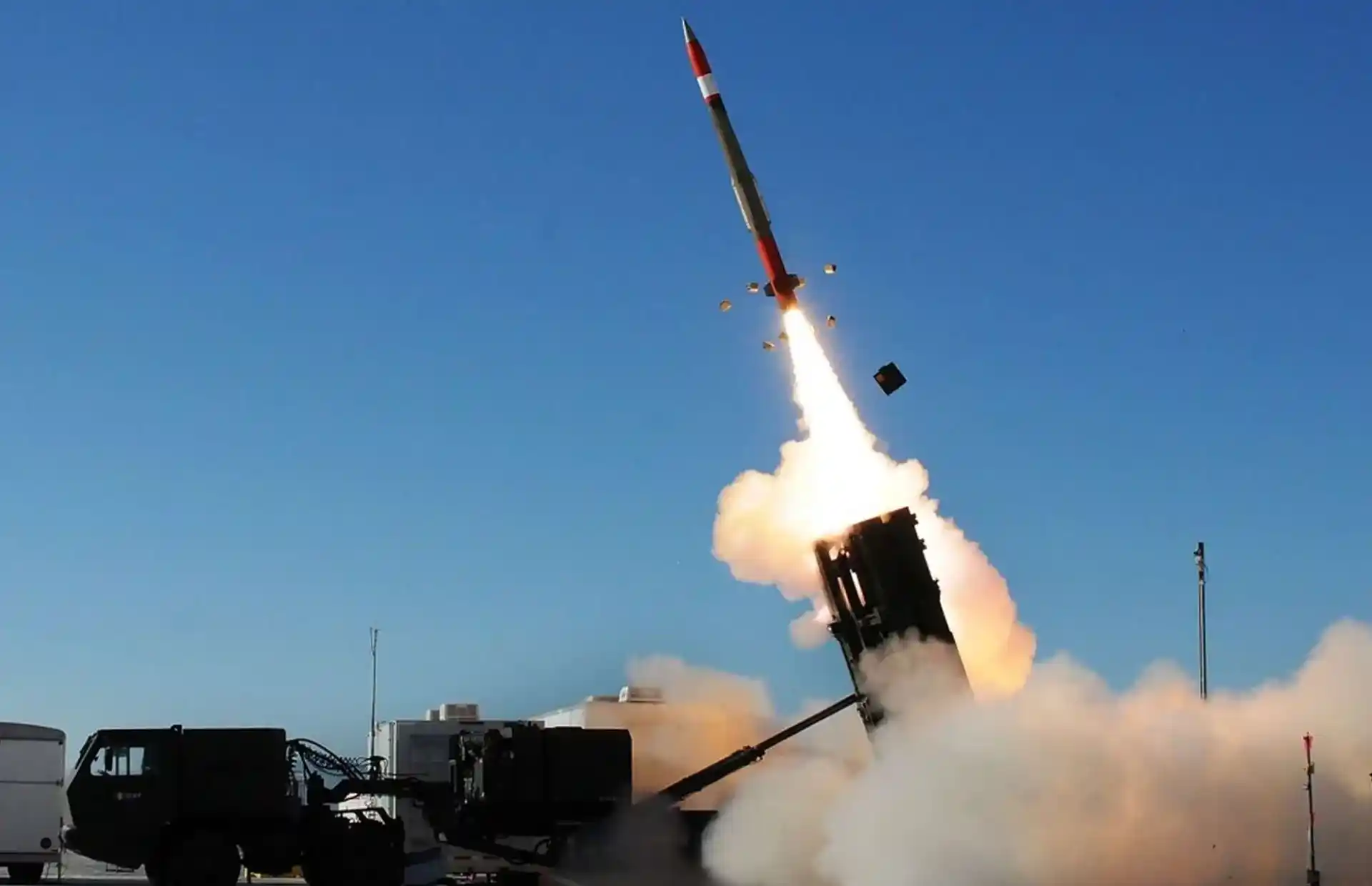
Lockheed Martin and the U.S. Department of Defense have launched a transformative agreement that will triple the annual production of the PAC-3 Missile Segment Enhancement (MSE) air defense interceptors by 2033. This bold initiative aims to increase output from approximately 600 to 2,000 interceptors annually, reshaping the way America and its allies secure missile defense capabilities in an increasingly volatile global environment.
Strategic Shift in Missile Defense Acquisition
The framework signed on January 6, 2026, does more than boost quantities. It marks a fundamental shift in how missile defense munitions are procured and produced. The deal hinges on multi-year contracts, delivery accountability, and supplier prepositioning—a model designed to reduce lead times and stabilize supply chains.
By prioritizing predictable demand, the Pentagon and Lockheed Martin seek to create an ecosystem of defense readiness that will be resilient against disruptions. According to defense officials, the new model enables better throughput without a steep upfront financial spike and supports over 13,000 suppliers embedded in Lockheed’s industrial network.
The PAC-3 MSE: A Hit-to-Kill Powerhouse
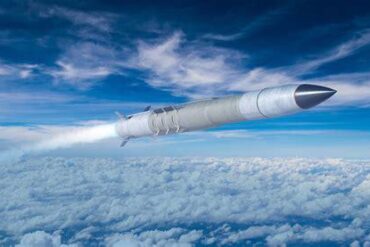
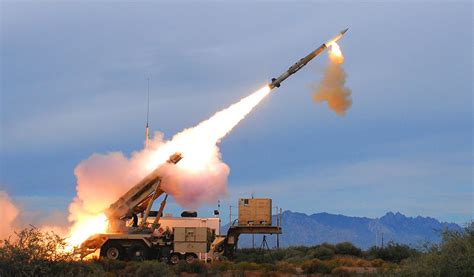
Unlike traditional blast-fragmentation missiles, the PAC-3 MSE is a hit-to-kill interceptor, meaning it neutralizes threats through direct collision, converting velocity into kinetic energy. This requires a high degree of precision and maneuverability, especially against advanced cruise missiles and reentry vehicles.
The MSE variant is a major leap from earlier generations. It features a dual-pulse solid rocket motor for expanded range and altitude, while retaining its body-to-body engagement capability. Key enhancements include:
- Ka-band active radar seeker for superior terminal guidance.
- Attitude control thrusters to allow mid-course and final-phase adjustments.
- Compact missile design that enables up to 12 interceptors per launcher, maximizing magazine depth and increasing tactical endurance.
This configuration allows Patriot batteries to respond effectively to saturation attacks—a rising concern in contemporary air defense scenarios.
Integrated with Patriot Systems
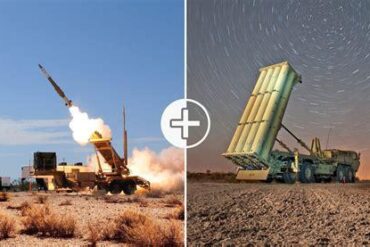
The PAC-3 MSE’s power is amplified by its seamless integration into the Patriot air and missile defense system, which consists of sophisticated radars, command stations, launchers, and communications components. The system supports layered defense, enabling multiple intercept opportunities and tracking complex, maneuverable threats in real time.
A Global Missile Defense Network
Seventeen allied nations have adopted the PAC-3 MSE, embedding it into their national defense strategies. The list spans continents and includes:
- Europe: Germany, Netherlands, Poland, Romania, Sweden, Spain
- Middle East: Qatar, UAE, Saudi Arabia, Kuwait, Bahrain
- Asia-Pacific: Japan, South Korea, Taiwan
This wide acceptance reinforces the missile’s proven track record and adaptability across diverse geographies and threat landscapes. It also makes the PAC-3 MSE a strategic asset in coalition interoperability.
Implications for U.S. and Allied Security
The planned production surge is not merely a logistical milestone. It significantly enhances U.S. and allied capacity to sustain extended operations, manage stockpiles more effectively, and deter adversaries through credible, replenishable defense systems.
For the U.S. Army, it provides flexibility to reconstitute depleted inventories, rotate forward-deployed units, and support partners without compromising domestic readiness. For allies, it ensures that access to interceptors remains reliable, even during multi-year contingencies or conflicts.
Industrial Base Resilience and Co-Production
At its core, the production increase reflects a broader movement toward a more robust and interconnected defense industrial base. Predictable demand opens pathways for international co-production, encouraging localized manufacturing and integration with regional supply chains.
Such arrangements not only reduce vulnerability to single-source bottlenecks but also enable allied countries to build sovereign industrial capability while anchoring themselves within a shared U.S.-led defense architecture. In this sense, the new framework fosters both quantity and quality in missile defense readiness.
Long-Term Vision for Strategic Deterrence
In an era defined by hypersonic advancements, rogue missile tests, and escalating regional tensions, the PAC-3 MSE stands as a cornerstone of credible deterrence. The U.S. commitment to triple production is not only a reaction to rising threats, but a proactive step to ensure that air and missile defense remains layered, persistent, and globally accessible.
It reflects a deeper understanding that modern defense planning demands sustained investment, not episodic surges. With this new approach, the U.S. positions itself to lead a coalition-centric missile shield, capable of countering evolving threats well into the next decade.