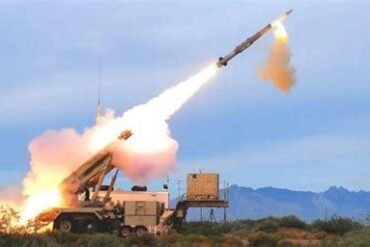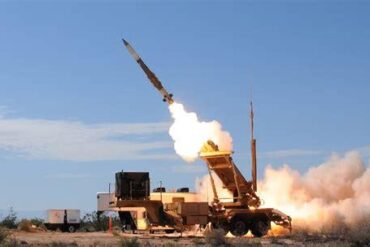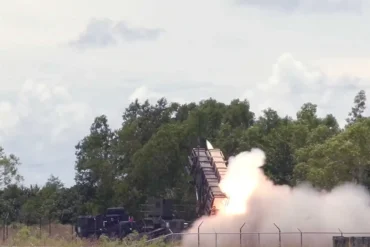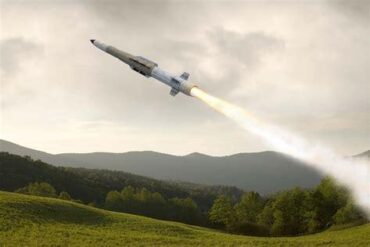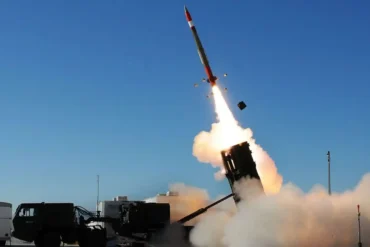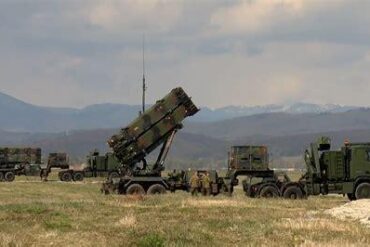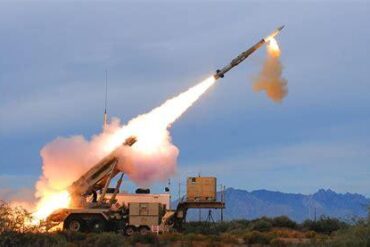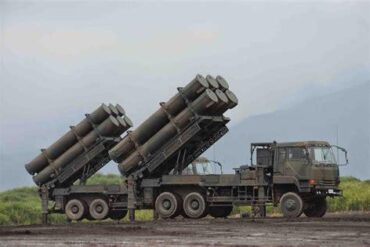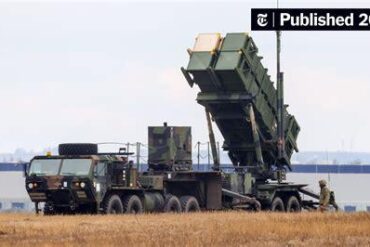
In a landmark move that shatters decades of self-imposed arms export limitations, Japan has delivered finished Patriot PAC-3 interceptor missiles to the United States — a transfer laden with strategic symbolism, geopolitical implications, and a shifting global defense calculus. This transfer marks the first time Japan has exported completed weapons systems since the end of World War II, thrusting Tokyo into a new chapter of military collaboration and industrial assertiveness.
Historic Break From Pacifism: Japan’s First Export of Complete Weapons
The decision to send Patriot missiles from Japan’s Air Self-Defense Force (JASDF) inventory to the United States is more than just a transaction — it’s a watershed moment in Japan’s defense policy. For decades, Tokyo adhered to stringent postwar constraints, only permitting exports of defense components under license, not finished systems. The revision of these guidelines in July 2024 unlocked the door to full-scale transfers — and the United States is the first recipient.
Chief Cabinet Secretary Minoru Kihara confirmed the export on November 20, 2025, though he declined to disclose the number of interceptors shipped. These missiles, manufactured domestically by Mitsubishi Heavy Industries under a Lockheed Martin license, represent a literal and figurative shift in Japan’s defense export doctrine.
Japan’s official line maintains that this act is designed to enhance the Japan-U.S. alliance and secure stability in the Indo-Pacific — a thinly veiled reference to rising threats from both China and North Korea. However, the global significance stretches further.
Aiding the Arsenal: Why the U.S. Turned to Japan
Behind the unprecedented request lies an uncomfortable truth: U.S. stockpiles of Patriot interceptors are under immense strain, primarily due to sustained military support to Ukraine. The Patriot PAC-3 systems have been pivotal in repelling Russian ballistic and cruise missile attacks, especially since the start of 2023. On June 23, 2025, the U.S. Army fired the largest volume of Patriots in a single event when intercepting a major Iranian missile barrage at Al Udeid Air Base in Qatar.
With demand surging and deliveries from Lockheed Martin scheduled for gradual escalation, Washington sought immediate replenishment. The deal with Tokyo — framed as a “backfill” strategy — allows the U.S. to tap into Japan’s ready inventory while continuing to arm Ukraine without compromising its own defense readiness.
The PAC-3 MSE: A Kinetic Leap in Air Defense
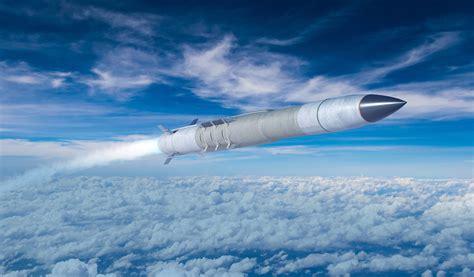
At the heart of this strategic cooperation is the Patriot Advanced Capability-3 Missile Segment Enhancement (PAC-3 MSE) — a hit-to-kill interceptor that neutralizes incoming threats via kinetic energy rather than explosive fragmentation.
This variant offers superior precision and lethality against a range of aerial threats:
- Ballistic Missiles
- Cruise Missiles
- Hypersonic Weapons
- Advanced Tactical Aircraft
Lockheed Martin, the system’s original developer, is investing heavily in expanding production, with a target of 750+ interceptors annually by 2027. Yet for 2025, only around 600 units are slated for delivery, creating a pressing need for stopgap solutions — a void now partially filled by Tokyo.
Tokyo’s Calculated Gamble: Arming the Mentor, Risking the Neighbor
Japan’s decision was not made lightly. Its pacifist constitution and “Three Principles on Transfer of Defense Equipment and Technology” restrict arms transfers to countries engaged in conflict. Tokyo asserts that these interceptors will remain exclusively under U.S. military control and will not be passed on to Ukraine.
Yet the political optics are unmistakable. Moscow views this transfer as a veiled contribution to the Ukrainian war effort. The Russian Embassy in Tokyo stated bluntly: “It may be the ammunition that will eventually end up in Ukraine.”
Russia Reacts: Diplomatic Freeze and Retaliation Loom
Tensions between Tokyo and Moscow were already deteriorating after Japan sided with Ukraine and the West in condemning Russia’s invasion. Russia has since suspended peace treaty negotiations, cancelled economic projects, and revoked visa-free travel to disputed islands.
Following the missile export, Russian Ambassador Nikolai Nozdrev warned of “decisive” countermeasures should any of these Japanese-built interceptors be traced to Ukrainian soil. Potential responses range from diplomatic sanctions to economic restrictions, though a military response remains improbable.
Ukraine’s Expanding Patriot Arsenal: A Defensive Imperative
Meanwhile, Ukraine’s reliance on Patriot systems continues to grow. President Volodymyr Zelenskyy recently confirmed that additional batteries had arrived and are being deployed to protect key infrastructure and cities. In a separate development, the U.S. approved a $105 million upgrade package for Ukraine’s existing Patriot systems, enabling conversions from M901 to M903 launchers, as well as logistical, training, and support enhancements.
The long-term goal is ambitious: Kyiv is negotiating a contract for up to 25 complete Patriot systems, but delivery timelines are stretched thin due to supply chain bottlenecks and production backlogs caused by intense global demand.
The Strategic Stakes: Indo-Pacific and Beyond
From a broader lens, Japan’s export serves multiple strategic purposes:
- Strengthening U.S.-Japan military interoperability
- Showcasing Japan’s industrial reliability to potential buyers
- Deterring regional aggressors with increased allied integration
This act also sends a potent signal to Beijing and Pyongyang: Tokyo is no longer a bystander in global security affairs. It is stepping forward as both a producer and provider of cutting-edge defense technology.
The Rise of the Arms-Exporting Japan
Once bound by a pacifist ethos and Cold War-era restrictions, Japan is now steadily charting a new course — as a key player in the global arms economy. While the country still avoids selling arms to nations in active conflict, its ability to influence the battlefield indirectly is undeniable.
In years to come, Tokyo may pursue further arms exports to allies in Southeast Asia or Europe. Mitsubishi Heavy Industries’ successful delivery of PAC-3 interceptors marks a proof-of-capability that may open doors to more lucrative defense contracts and international partnerships.
Conclusion: A Subtle Shift with Massive Reverberations
The export of Patriot PAC-3 interceptors from Japan to the United States is not merely about missiles — it represents a tectonic shift in Japan’s postwar identity, its international standing, and its contribution to global security architecture. It redefines Japan not only as a consumer of U.S. military protection but as an active contributor to its sustainability.
At the same time, it raises the stakes in an already volatile international landscape, testing the fragile balance between deterrence and escalation, alliance and autonomy. As Japan navigates this new terrain, the world will be watching — not just to see where its weapons go, but how its intentions evolve in a rapidly militarizing world.