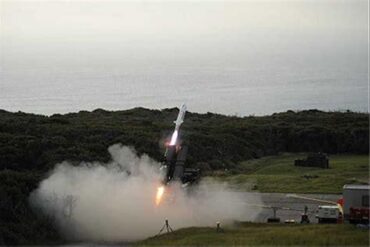
Japan has officially entered a new era of defense readiness with the first-ever live-fire test of the Type 88 Surface-to-Ship Missile (SSM-1) conducted on Japanese soil, marking a historic milestone in the nation’s evolving security posture. This groundbreaking event took place on June 24, 2025, at the Shizunai Anti-Air Firing Range located in Hokkaido, signaling Japan’s increasing autonomy and determination to bolster its coastal defense amid escalating tensions with regional powers.
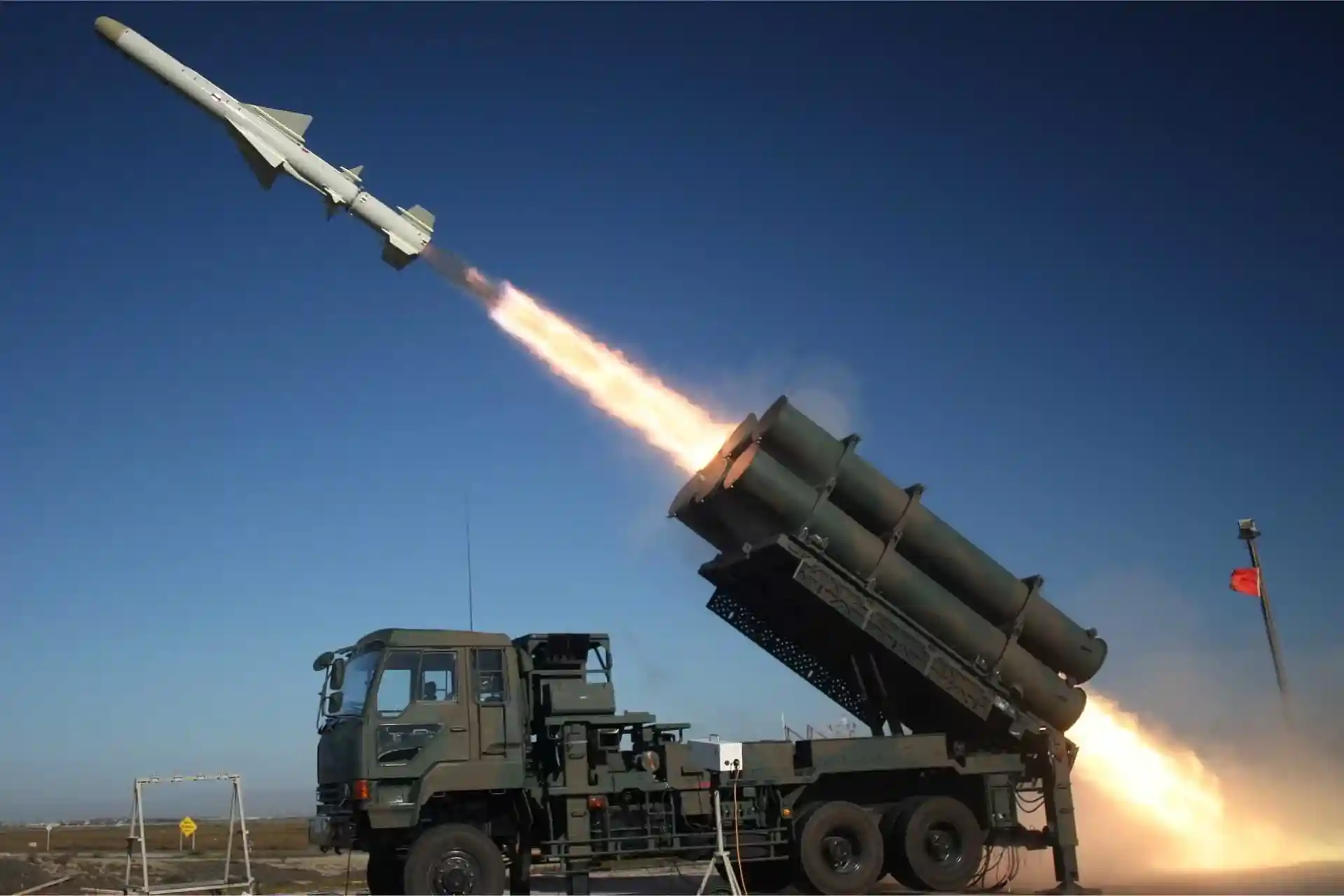
The exercise, carried out by approximately 300 personnel from the Japan Ground Self-Defense Force (JGSDF) 1st Artillery Brigade, showcased the high-precision engagement capabilities of the Type 88 missile system. During the test, a training variant of the missile was launched from a land-based truck platform and successfully struck an unmanned target vessel positioned approximately 40 kilometers offshore, demonstrating the system’s operational effectiveness and technological maturity.
Japan’s Type 88 Surface-to-Ship Missile: Backbone of Coastal Defense
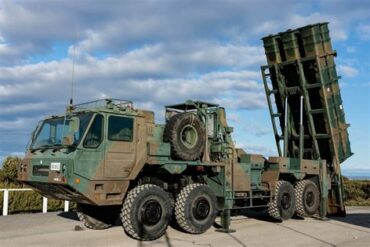
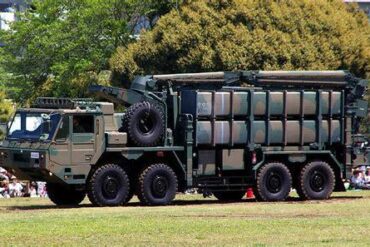
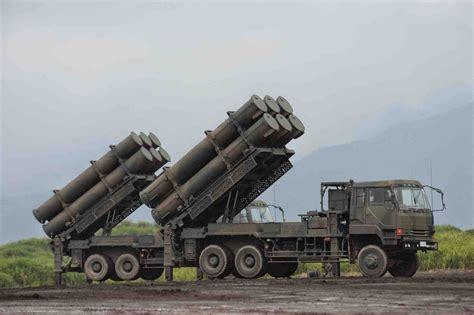
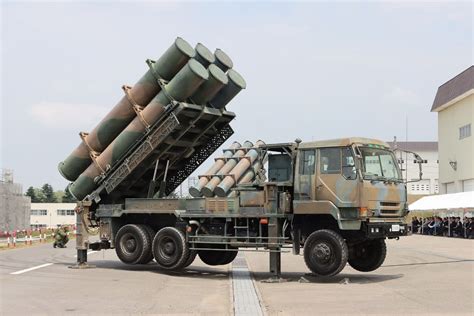
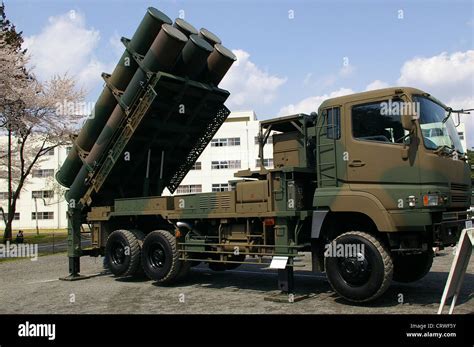
The Type 88 Surface-to-Ship Missile, also designated SSM-1, represents a critical component of Japan’s layered coastal defense architecture. Developed by Mitsubishi Heavy Industries, the Type 88 system is mounted on 6×6 military trucks, providing mobility and rapid deployment capabilities across the country’s vast and complex coastline.
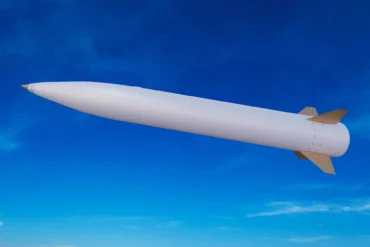
The missile employs a two-stage propulsion system, consisting of a solid-propellant booster for initial acceleration followed by a turbojet-powered cruise stage, granting the weapon an operational range of up to 180 kilometers. Designed to engage hostile warships with minimal warning, the missile utilizes inertial navigation for mid-course guidance and transitions to active radar homing during its terminal phase, ensuring precision targeting even in contested environments.
A defining feature of the Type 88 is its sea-skimming flight profile, which keeps the missile at low altitudes during its approach, significantly reducing the likelihood of early detection by adversary radar systems. This capability aligns with Japan’s strategic requirement to defend its maritime approaches, critical sea lanes, and disputed territories, particularly in light of increased naval activity by neighboring China and Russia.
Breaking Legal and Geographic Barriers: Domestic Missile Testing
Until now, Japan’s live-fire missile testing programs were conducted exclusively at overseas ranges, notably in the United States and Australia, due to stringent domestic legal frameworks and the geographic limitations inherent to the Japanese archipelago. However, the successful execution of the Type 88 test within Japanese territory signals a profound shift in both policy and operational capability.
The Shizunai Anti-Air Firing Range, located in Hokkaido’s sparsely populated regions, provided an ideal environment for this historic trial. By proving its capacity to conduct such complex and high-risk tests at home, Japan is no longer solely reliant on foreign facilities, reflecting its intent to pursue greater defense autonomy.
This test underscores a tangible step in the implementation of the 2022 National Defense Strategy, which calls for enhanced deterrence through the acquisition of long-range strike capabilities and a more proactive defense posture.
Rising Regional Tensions and Japan’s Strategic Calculations
Japan’s decision to conduct live-fire missile tests within its borders arrives against the backdrop of intensifying regional rivalries in the Asia-Pacific. Repeated incursions by Chinese naval and coast guard vessels into waters surrounding the Senkaku/Diaoyu Islands, coupled with Russia’s increased military activity in the Sea of Japan, have heightened security concerns for Tokyo.
The Type 88 system is integral to Japan’s strategy of area denial and coastal defense, particularly in safeguarding critical maritime chokepoints and disputed territories. By demonstrating the operational readiness of its missile units on home territory, Japan is signaling its resolve to deter potential aggression and assert control over its sovereign waters.
Notably, this milestone aligns with Japan’s broader modernization efforts, which include the forthcoming deployment of American-made Tomahawk cruise missiles starting in late 2025 and the indigenous development of an extended-range version of the Type 12 Surface-to-Ship Missile. Together, these advancements aim to create a robust, layered defense network capable of countering diverse maritime threats.
Future Testing and Expanded Capabilities
To sustain and enhance its evolving missile capabilities, Japan plans to construct a new, dedicated live-fire testing facility on Minamitorishima Island, located in the Pacific Ocean. This isolated site will support more frequent and advanced trials of Japan’s long-range strike assets, ensuring technological superiority and operational proficiency.
The Type 88’s proven performance in this domestic test not only validates its effectiveness but also sets the stage for further integration with Japan’s multi-domain defense strategy. The synergy between the Type 88, upcoming long-range missiles, and advanced surveillance platforms underscores Tokyo’s commitment to achieving credible deterrence in an increasingly volatile security environment.
Strategic Implications for the Asia-Pacific Region
Japan’s landmark missile test carries significant strategic ramifications beyond its borders. For allies and partners such as the United States, Australia, and regional democracies, Japan’s increased defense self-reliance contributes to collective security efforts aimed at maintaining stability and deterring coercive behavior by revisionist powers.
Conversely, this development is likely to elicit strong reactions from China and Russia, both of whom have expressed concerns over Japan’s expanding military capabilities. Beijing, in particular, has long opposed Tokyo’s pursuit of long-range strike weapons, viewing such efforts as destabilizing and contrary to Japan’s post-World War II pacifist constitution.
However, Japanese officials maintain that these capabilities are strictly defensive in nature, designed to uphold the integrity of national territory and maritime rights under international law.
Conclusion: A New Chapter in Japanese Defense Policy
The successful live-fire test of the Type 88 anti-ship missile on home territory marks a defining moment in Japan’s defense evolution. As the first domestic test of its kind, this event reflects not only technological competence but also a strategic recalibration toward a more assertive and self-reliant security posture.
In an era characterized by shifting power dynamics and contested maritime spaces, Japan’s ability to conduct such tests domestically enhances its operational readiness and sends a clear message of deterrence to potential adversaries. The Type 88’s role as the cornerstone of Japan’s coastal defense, coupled with future deployments of advanced missile systems, positions the nation to better defend its sovereignty, support regional stability, and contribute meaningfully to the broader security architecture of the Indo-Pacific.
This unprecedented test on Japanese soil underscores Tokyo’s readiness to defend its maritime frontiers and adapt to the evolving realities of 21st-century geopolitics.