On June 13, 2025, Iran ignited global headlines by claiming it had shot down two Israeli F-35I Adir stealth fighters, allegedly involved in deep-penetration strikes on Iranian nuclear and military sites under Operation Rising Lion. If true, this would make Iran only the second country in history to down a fifth-generation stealth aircraft, following the 1999 shootdown of a U.S. F-117 Nighthawk in Serbia. However, Israel has firmly denied the Iranian claims, calling them fabrications, as analysts and open-source intelligence groups scrutinize the evolving narrative.
Iran’s Claims: F-35s Shot Down During Israeli Offensive
Iranian state media, quoting military sources, reported that two F-35I Adirs were intercepted and downed by Iranian air defense units during or immediately after their bombing run on targets near Natanz and other strategic installations. One of the pilots, described as a female aviator, was allegedly captured after ejecting over Iranian territory. Iranian Press TV wasted no time in proclaiming this as a global first: “Iran has earned the distinction of being the first country in the world to successfully shoot down fifth-generation fighter jets belonging to the Zionist regime.”
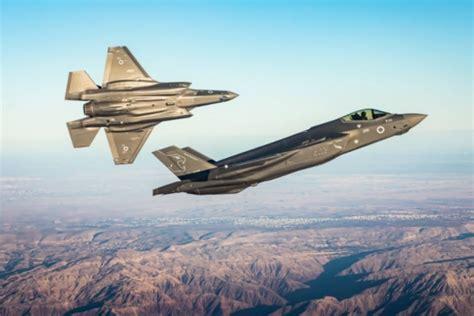
The alleged takedown came after Israel executed an aggressive, high-risk 2,000-kilometer strike mission with a coalition of F-35s, F-16s, F-15s, and drones aimed at crippling Iran’s nuclear and command infrastructure. The F-35I Adir, a customized Israeli variant of the Lockheed Martin F-35A, played a leading role, praised for its stealth, sensor fusion, and precision strike capabilities.
Operation Rising Lion: Tactical Success or Strategic Miscalculation?
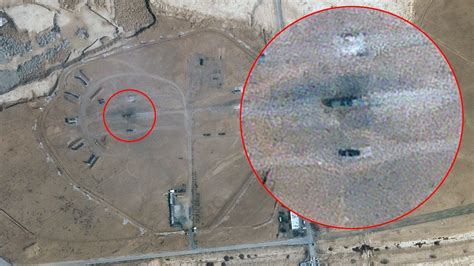
Despite the initial success in damaging Iran’s nuclear facilities and allegedly eliminating top commanders of the Islamic Revolutionary Guard Corps (IRGC), the narrative took a sharp turn with Tehran’s counterclaims. Satellite imagery showed destruction at Natanz, lending credibility to the operational precision of the Israeli jets.
However, the Iranian response came swiftly. A barrage of ballistic missiles and drones hit sites in Tel Aviv and Jerusalem, with Iranian leadership vowing retribution. Amid this chaos, Iran’s announcement about shooting down two F-35s reshaped the post-strike analysis.
Visual Proof or Propaganda? Questions Over F-35 Debris
Photos and videos circulated on X (formerly Twitter) allegedly showing the wreckage of an F-35I in Iranian territory. However, military bloggers and defense analysts were quick to label the images as AI-generated fabrications or unrelated wreckage. Some noted inconsistencies in the airframe surface and structural design, arguing they did not match the F-35’s known contours. Others pointed out the lack of distinctive Israeli Air Force markings or serial numbers, typically visible even on destroyed aircraft.
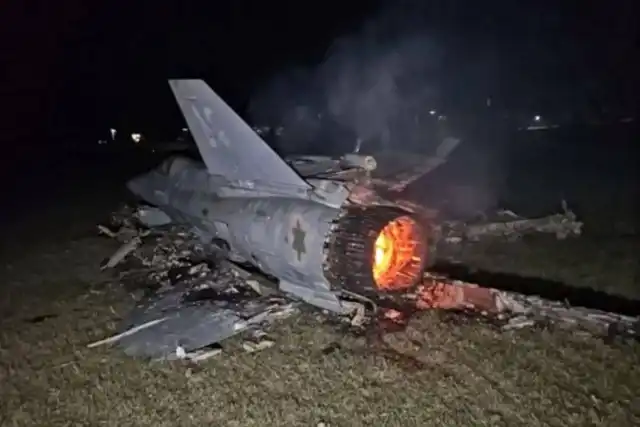
The Israeli Defense Forces (IDF) issued a categorical denial: “Fake Iranian media. This news being spread is completely baseless,” stated Col. Avichay Adraee, the IDF’s Arabic-language spokesman. No credible Israeli or third-party source has confirmed a loss of aircraft, and no pilot capture has been independently verified.
Can Iran’s Air Defenses Really Defeat the F-35?
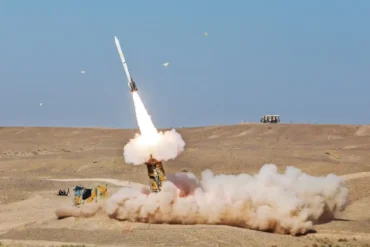
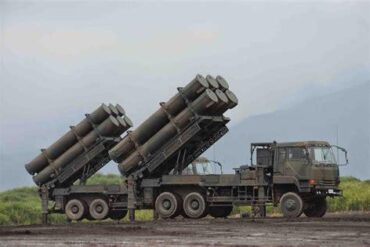
Military experts remain divided. Iran possesses a diverse air defense ecosystem, which includes Russian-made S-300 systems, domestically produced Bavar-373, and legacy systems enhanced with indigenous radar upgrades. While none have a track record against F-35s, Iran claims these systems were integrated with AI-driven tracking algorithms to detect low observable (LO) platforms like the Adir.
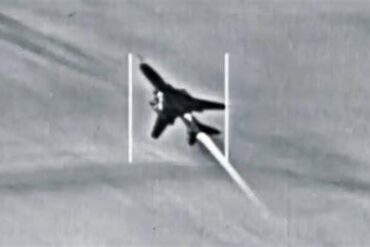
Stealth, while effective, is not invisibility. This was proven in 1999, when Yugoslav forces used their SA-3 ‘Neva’ missile system to shoot down a U.S. F-117 Nighthawk over Serbia. The pilot ejected and was rescued, but the wreckage became a propaganda trophy.
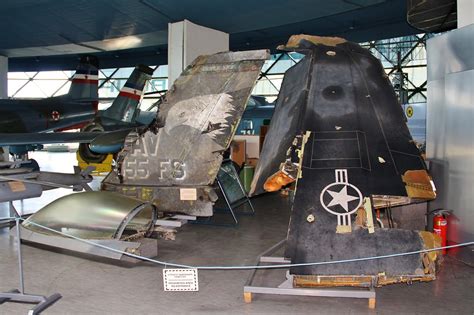
Similarly, during a 2024 Houthi missile strike, a U.S. F-35 narrowly avoided being hit by an incoming projectile, exposing the vulnerabilities of stealth platforms against unconventional and unpredictable threats.
What Makes the F-35I Adir Special?
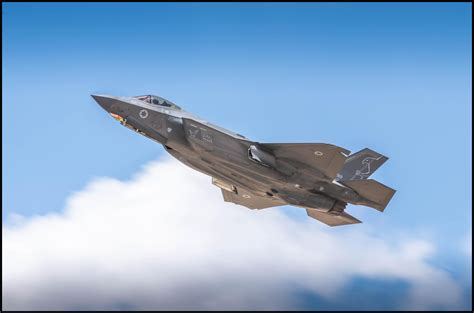
The F-35I Adir is not just another F-35A. Customized for the Israeli Air Force, it features major enhancements:
- C4I Systems: Tailored to integrate with Israel’s network-centric warfare platforms.
- Electronic Warfare Suite: Designed and built domestically, enabling jamming, spoofing, and counter-targeting.
- Weapons Integration: Accommodates unique Israeli munitions, including the SPICE guidance kit and Delilah cruise missile.
- Extended Range: External conformal fuel tanks allow deep strike capabilities without aerial refueling.
In July 2024, Adirs struck Hodeidah in Yemen, covering 1,700 km without support. Their strategic utility is unmatched in the region.
Why Iran’s Claim, Even If False, Matters
Whether or not the F-35I shootdowns are true, Iran has already achieved a significant propaganda victory. By publicly asserting it has downed one of the world’s most advanced fighters, Tehran sends a message to adversaries and domestic audiences alike: “We are not defenseless.” The psychological impact of such claims could alter Israeli deterrence calculations, even if the hardware remains untouched.
Moreover, the debate reopens long-standing questions:
- Is stealth technology overrated in the era of AI-enhanced air defenses?
- Can open-source imagery be reliably used for real-time battlefield verification?
- Will regional powers accelerate development of counter-stealth platforms?
Israel’s Silence: Strategic Denial or Tactical Disinformation?
The Israeli government’s unwavering denial of any aircraft loss has led some analysts to wonder if a strategic blackout is in play. With regional tensions boiling, an admission could embolden enemies or create political fallout for Prime Minister Benjamin Netanyahu’s cabinet, already under scrutiny following recent escalations.
However, Israel has a history of acknowledging F-35 operations, being the first country to use them in combat in 2018. Concealing an F-35 loss, if true, would mark a major shift in military transparency.
What’s Next? Regional Escalation or Strategic Caution
With both nations now engaging in retaliatory strikes and information warfare, the Middle East teeters on the edge of a broader military confrontation. The alleged downing of F-35s — confirmed or not — may set the stage for increased deployment of stealth platforms and anti-stealth radar systems across the region.
The stakes are high:
- For Israel, maintaining air superiority and technological dominance is vital.
- For Iran, challenging that dominance earns regional and ideological capital.
- For Lockheed Martin, a combat loss of an F-35 would invite scrutiny over its $100 million warplane’s survivability.
As the fog of war thickens, one truth becomes clearer: stealth is not invulnerability — and perception, in this case, might be as powerful as reality.
Whether Iran’s claims stand the test of verification or join the ranks of wartime propaganda, one fact is certain: the era of stealth dominance is facing its most rigorous challenge yet.