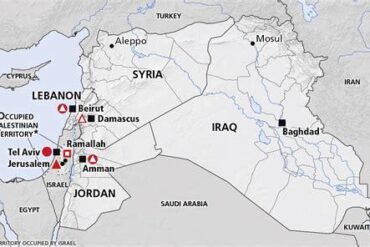
As tensions between Israel and Iran escalate, the UK government has announced its decision to collaborate with several nations—including Cyprus, Turkey, Egypt, Jordan, UAE, Iran, Israel, and the Palestinian Territories—to implement coordinated evacuation flights aimed at safeguarding British nationals. This move comes in light of a rapidly deteriorating security situation in the region, necessitating immediate action to protect citizens amidst increasing hostilities.
The UK’s involvement in these evacuation efforts highlights its commitment to ensuring the safety of its citizens caught in high-risk areas. The planned flights are primarily aimed at those in urgent need of assistance, providing a critical opportunity for British nationals to leave the region as the conflict intensifies. With the backdrop of a recent US military strike on Iranian nuclear facilities, the implications of this conflict are far-reaching, impacting not only the immediate players but also the broader geopolitical landscape.
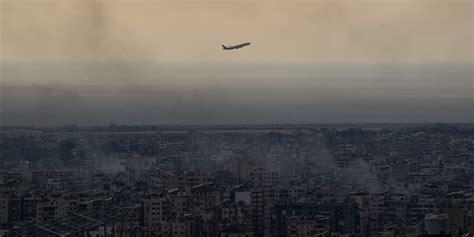
In a statement from the Foreign, Commonwealth & Development Office (FCDO), British nationals currently in Israel and the Occupied Palestinian Territories have been urged to register their details to facilitate their evacuation. With reports indicating a closed airspace over Israel, the UK government is working diligently to arrange charter flights; however, logistical challenges are hindering immediate departures.

As the situation remains volatile, the FCDO has updated its travel advisory, now advising against all travel to the region. Travelers are warned that any attempt to ignore this guidance could result in voided travel insurance policies. The unpredictability of the situation could lead to sudden disruptions in both air and road travel, making it imperative for travelers to stay informed.
In addition to the direct conflict with Iran, there are mounting concerns regarding potential escalations with Hezbollah in Lebanon and the ongoing threats posed by groups such as Hamas. British nationals in Israel are encouraged to keep abreast of local security updates while adhering to official guidance from the Israeli government. Moreover, the temporary relocation of family members of British Embassy staff underscores the seriousness of the security risks involved, although essential services at the embassy continue to operate.
To qualify for evacuation flights, British nationals must meet specific entry requirements, including valid travel documents. For non-British family members, appropriate visas will also be necessary. This stringent process reflects the government’s focus on facilitating safe and orderly evacuations while minimizing potential security risks.
Beyond Israel and the Palestinian territories, neighboring countries also face unique challenges amid the unfolding crisis. Cyprus, while geographically distanced from the immediate conflict, has emerged as a key evacuation point. The UK government continues to monitor developments closely, providing advisories to travelers heading to Cyprus and other nearby regions, including Turkey and Egypt.
Turkey, located adjacent to the Middle Eastern conflict zone, has yet to issue specific travel warnings related to the Israel-Iran tensions. However, the FCDO maintains a cautionary stance against travel within 10 kilometers of the Syrian border due to heightened terrorist risks and ongoing military operations. Major cities in Turkey also face increased threats of terrorism, adding another layer of complexity for travelers.
Similarly, Egypt, which shares a border with Gaza, is grappling with its own security issues, including domestic terrorism. The FCDO advises against travel to North Sinai, given its proximity to conflict zones, while also recommending caution in other areas, including parts of South Sinai and the Nile Delta. Despite these warnings, popular tourist destinations like Cairo, Luxor, and the Red Sea coast remain accessible to visitors, with routine security measures in place to ensure safety.
In Jordan, while the political climate remains relatively stable, the threat of airspace closures has raised concerns among travelers. Protests and potential road closures due to the ongoing conflict may disrupt travel plans, prompting the FCDO to advise caution, particularly in regions near the Syrian border and in the capital city of Amman.
Conversely, the UAE, particularly cities like Dubai and Abu Dhabi, remains largely unaffected by the escalating tensions. However, the risks associated with regional instability persist, prompting the FCDO to advise vigilance against potential terrorist attacks targeting Western interests, including UK citizens. It is crucial for travelers in the UAE to respect local customs and regulations, particularly concerning sensitive issues like alcohol consumption and LGBTQ+ rights.
As the situation in the Middle East continues to evolve, the UK government is committed to keeping British nationals informed about the latest developments. The FCDO urges anyone in need of assistance to reach out and follow official guidance. The coordinated evacuation flights represent a proactive measure to ensure the safety of UK citizens during a time of unprecedented uncertainty in the region, underscoring the importance of international collaboration in addressing global security challenges.
In conclusion, the decision for the UK to participate in these evacuation efforts marks a significant step in safeguarding its citizens abroad amid rising tensions with Iran. As the situation develops, the focus remains on ensuring the safety and well-being of British nationals while navigating the complexities of regional geopolitics.