In the wake of escalating geopolitical tensions across the Middle East, major international airlines are reshaping their operations to ensure passenger safety and maintain reliable services. American Airlines has officially joined United Airlines, Emirates, and Qatar Airways in implementing comprehensive adjustments to flights bound for Dubai, Doha, Istanbul, and other critical hubs in the region.
These developments underscore the profound impact that regional instability can have on global aviation, with airlines adopting both operational and policy-based changes to navigate the uncertainty.
Heightened Regional Instability Forces Airline Adjustments
The latest moves by American Airlines follow a coordinated wave of operational changes from other carriers in response to the unpredictable situation unfolding across the Middle East. While specific details regarding the source of tensions remain fluid, the aviation sector has reacted decisively.
The adjustments include revised flight schedules, rerouted paths to avoid high-risk airspace, and the introduction of more flexible booking policies. United Airlines, operating flights to both Dubai and Doha, was among the first U.S. carriers to modify its operations. Shortly after, American Airlines confirmed similar measures, issuing travel alerts and providing passengers with increased flexibility.
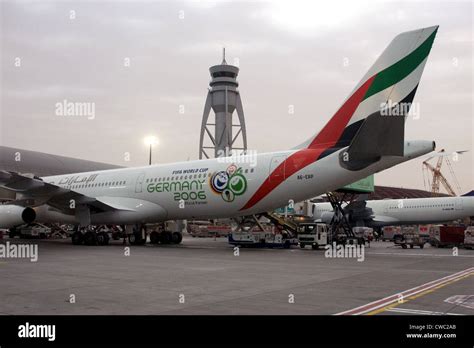
In parallel, the two Gulf powerhouses—Emirates, based in Dubai, and Qatar Airways, headquartered in Doha—activated their contingency plans to minimize disruptions while preserving their robust international networks.
Emirates and Qatar Airways Lead Regional Response
Emirates, widely recognized as one of the world’s largest international carriers, has taken swift steps to adjust its flight paths and avoid volatile airspace, ensuring the safety of passengers and crew. According to official statements, Emirates successfully rerouted numerous flights with minimal disruption, maintaining over 5,800 flights and transporting 1.7 million passengers within just two weeks.
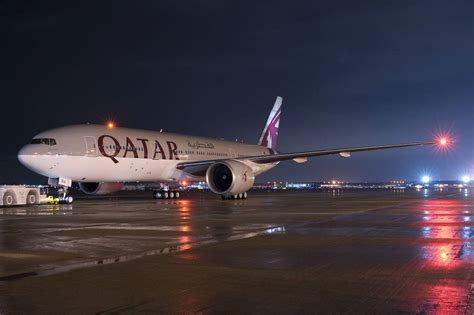
Qatar Airways, similarly proactive, announced its flexible travel policies as early as June 18, offering fee waivers for passengers affected by the uncertainty. Travelers scheduled to fly through July 15 can request full refunds or modify their itineraries without incurring additional costs.
The prompt actions by these airlines highlight their deep operational resilience and readiness to adapt to rapidly evolving geopolitical climates.
American Airlines and United Airlines Adapt to Evolving Middle East Situation
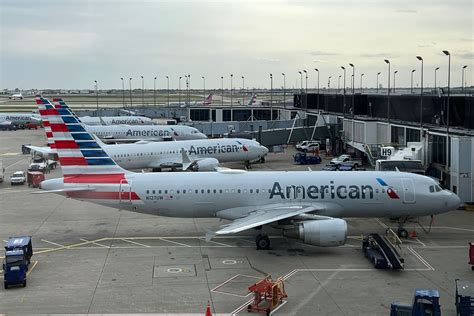
For American Airlines, whose network includes direct connections to major Middle Eastern hubs such as Doha and Dubai, the current regional instability has necessitated careful operational recalibration. The airline issued an official travel alert, notifying passengers of their right to reschedule flights or seek refunds without penalty.
United Airlines, with a growing footprint in the Gulf, echoed similar sentiments. Both carriers emphasized that while their flight operations continue, heightened precautions and passenger flexibility are now paramount.
The moves by these U.S.-based airlines reflect not only the unpredictable nature of the geopolitical landscape but also a broader industry trend where passenger safety and operational continuity take precedence.
U.S. Department of State Issues Worldwide Caution Security Alert
Coinciding with airline adjustments, the U.S. Department of State issued a “Worldwide Caution Security Alert” on June 22, 2025, urging American citizens to exercise increased vigilance when traveling abroad, particularly to regions affected by geopolitical tensions.
The advisory warns of potential demonstrations, civil unrest, and risks to U.S. interests abroad, including the possibility of targeting of American travelers. As a preventive measure, U.S. citizens are encouraged to register with the Smart Traveler Enrollment Program (STEP), which delivers real-time safety updates and emergency notifications.
The Worldwide Caution Alert adds another layer of complexity for travelers navigating the evolving Middle East situation, reinforcing the need for preparation and flexibility.
Impact on Middle East Aviation Hubs: Dubai, Doha, Istanbul
As the region grapples with instability, its world-renowned aviation hubs—Dubai International Airport (DXB), Hamad International Airport (DOH) in Doha, and Istanbul Airport (IST)—are experiencing operational ripples.
Dubai International Airport, the world’s busiest for international passenger traffic, remains operational, though some flight paths have been altered to bypass conflict zones. Passengers have been advised to monitor their flight status and expect potential delays, especially as airlines adjust to dynamic airspace restrictions.
Similarly, Hamad International Airport, a major transit point for global travelers, continues to function, albeit with contingency measures in place. Qatar Airways is working closely with aviation authorities to maintain safe operations, and travelers should anticipate rerouted flights and longer-than-usual travel times.
Istanbul, a key East-West gateway, has also been affected, with increased security screenings and operational adjustments as airlines and authorities respond to regional developments.
Increased Passenger Flexibility: Change Policies and Refund Options
In response to the unpredictable climate, airlines across the board are offering expanded flexibility to affected travelers:
- Qatar Airways: Waived change fees for travel between June 18 and June 30, full refunds for flights through July 15.
- Emirates: Activated contingency routes, maintaining high operational capacity while offering rebooking options.
- American Airlines & United Airlines: Flexible rebooking and refund policies for flights to Dubai, Doha, and other impacted destinations.
These policies aim to provide passengers with peace of mind, allowing them to adjust plans without financial penalties amid uncertain travel conditions.
What Travelers Should Do: Stay Informed, Flexible, and Prepared
For those planning to travel to Dubai, Doha, Istanbul, or other destinations within the region, proactive preparation is essential. Travelers should:
- Regularly monitor airline websites, apps, and social media channels for real-time flight updates.
- Review rebooking and refund policies to understand available options in case of cancellations or delays.
- Register with STEP to receive U.S. government safety alerts and travel advisories.
- Arrive at airports early to account for potential security screenings and procedural changes.
- Stay connected to airline customer service teams for personalized assistance during disruptions.
Remaining adaptable and informed will be critical for navigating the evolving travel environment safely.
Airlines Showcase Resilience Amid Geopolitical Challenges
The swift, coordinated responses from American Airlines, United Airlines, Emirates, and Qatar Airways reflect the aviation sector’s ability to adapt to complex geopolitical realities. Despite the challenges, these carriers have demonstrated a commitment to maintaining global connectivity while prioritizing safety.
As tensions persist across the Middle East, the situation remains fluid. Travelers are urged to exercise caution, stay updated on official advisories, and leverage the increased flexibility offered by airlines.
For now, the aviation industry remains vigilant, poised to adjust operations further should the regional dynamics escalate. Passengers traveling through the Middle East’s critical aviation hubs can take reassurance from the proactive measures in place, though continued vigilance and flexibility will be essential for safe, seamless journeys.