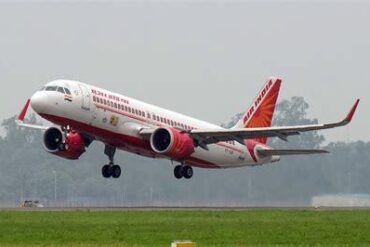
India’s aviation industry is undergoing a period of intense turbulence as the ripple effects of the Air India-171 crash and escalating geopolitical tensions with Pakistan continue to erode public confidence and passenger demand. A fresh analysis of civil aviation data and reports from ICICI Securities reveals a sector struggling not just with operational setbacks, but with a deepening crisis of trust and security.
The crash of Air India-171 on June 12, 2025, which resulted in the tragic deaths of 241 passengers, has become a watershed moment in India’s recent aviation history. It followed months of instability caused by a renewed conflict between India and Pakistan, turning what was already a fragile recovery period into an industry-wide slump.
The Steep Decline in Passenger Numbers Across India
According to the Ministry of Civil Aviation (MoCA), the number of average daily international passengers has plummeted from 118,000 in April 2025 to just 102,000 in June 2025. The domestic sector has not been spared either. The dip began in early May as news of tensions near the India-Pakistan border circulated widely. Just as airlines began reporting a modest rebound in late May, the crash grounded optimism—literally and figuratively. Average daily total air passenger traffic dropped from 490,000 in early June to 460,000 by mid-June.
This reduction is not just a number—it represents the growing apprehension among Indian and international travelers alike. The reluctance to fly is particularly acute among corporate and long-haul international flyers, a demographic essential for airline profitability. The psychological impact of a catastrophic event like the Air India-171 crash is significant, and the numbers reflect a shaken public unsure about the safety of flying.
The Fallout from Air India-171: A Crisis of Confidence
The grounding of 83 wide-body flights between June 12 and June 17 by Air India sent shockwaves through the sector. These aircraft, mostly used for long-haul international routes, represent not only significant revenue but also logistical keystones in India’s global aviation footprint. The airline’s swift suspension of certain routes was necessary from a safety standpoint, but it also fed into an already growing narrative of unreliability and fear.
The tragedy further exposed vulnerabilities in India’s aviation safety framework. Critics have begun questioning the pace of safety audits, the competency of regulatory oversight, and the robustness of pilot training programs—issues that are now making headlines and adding to the hesitancy among potential travelers.
The Geopolitical Undercurrent: Aviation Held Hostage by Conflict
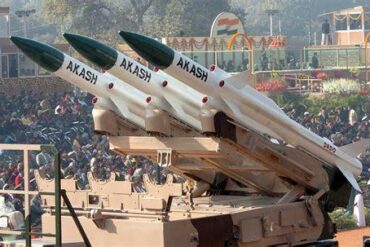
The broader India-Pakistan conflict has exacerbated the aviation industry’s woes. Tensions that escalated in early 2025 led to widespread airspace restrictions, forcing several carriers to alter or cancel routes. Airlines from both countries were compelled to re-route international flights, often taking longer and costlier paths to avoid restricted areas.
This has led to a cascade of issues: extended flight times, higher fuel consumption, and reduced schedule reliability. Airlines also had to recalibrate crew duty times and adjust ground handling operations—all of which introduce more complexity and cost into an already strained system.
For Air India, the situation is doubly precarious. Already contending with the operational and reputational fallout from the crash, it has now slashed its international wide-body services by 15%, further compounding the accessibility challenges for Indian outbound travelers.
Aviation Turbine Fuel: A Temporary Relief Doused by Oil Market Volatility
In what might have been a temporary relief, Aviation Turbine Fuel (ATF) prices dropped by 8.2% in Q1FY26 compared to the previous quarter. For airlines, this decline in ATF prices could have softened the financial blow of reduced traffic. However, the optimism was short-lived. As the geopolitical situation escalated, global crude oil prices began to surge, climbing 20% since early June and pushing rates up to USD 77 per barrel.
The implication for airlines is grave: while fewer planes are flying, those that are operating must now contend with soaring fuel costs. This is particularly detrimental given that Q2 FY26 is expected to be a seasonally weak quarter. Airlines generally depend on the summer and holiday peaks to cushion leaner periods, but the current environment offers no such reprieve.
International Aviation: A Strategic Weak Spot
India’s international aviation segment has emerged as the most vulnerable. Long-haul carriers and full-service airlines, particularly those operating to the US, Europe, and Southeast Asia, are bearing the brunt. Several international partners and code-share collaborators are re-evaluating their schedules involving Indian sectors, which could eventually impact connectivity.
In contrast, domestic low-cost carriers such as IndiGo and SpiceJet have also reported weakened demand but are relatively more agile due to smaller aircraft fleets and flexible routes. Nevertheless, even these carriers have had to adjust their frequencies and promotional campaigns in response to sliding ticket sales.
Foreign tourism inflow, a key component of international travel demand, is showing early signs of retreat. Countries including Australia, the United Kingdom, and Canada have issued fresh advisories urging caution in traveling to India, citing security concerns and operational instability in air transit.
Long-Term Trust Building: An Uphill Battle for Airlines
The path to recovery in India’s aviation sector will not be a short one. Restoring trust is a complex process that involves not only technical reassurances but also emotional and psychological healing. Airlines must intensify their focus on transparency, safety upgrades, and customer engagement.
Insiders believe the Directorate General of Civil Aviation (DGCA) will need to undertake a comprehensive safety audit and publicly share its findings. Meanwhile, aviation companies are expected to ramp up their communication efforts—offering real-time updates, generous refund policies, and clear commitments to passenger safety.
Public relations aside, infrastructural overhauls may be necessary. From improved pilot training simulators to robust maintenance protocols, airlines need to demonstrate a commitment to higher standards. Anything less will only perpetuate the erosion of confidence.

Strategic Shifts on the Horizon
Given the current volatility, several aviation analysts believe the Indian government may intervene to stabilize the sector. This could take the form of ATF tax reductions, strategic subsidies for key routes, or even public-private partnerships aimed at ensuring continuity in critical services.
There are also calls to establish a national aviation crisis taskforce, which would bring together stakeholders from airlines, regulatory bodies, defense ministries, and international aviation partners. Such a unit could be vital in preventing the escalation of similar crises in the future.
Another avenue is the expansion of secondary hubs. Cities like Hyderabad, Kochi, and Ahmedabad could be developed as strategic back-ups to Delhi and Mumbai, spreading operational risk and enhancing redundancy in the system.
Conclusion: Turbulence Without a Clear End
The combination of the Air India-171 tragedy and escalating geopolitical tension has exposed the structural fragility of India’s aviation sector. What was once one of the fastest-growing air travel markets in the world is now facing a multi-dimensional crisis. From crumbling passenger confidence to tightening fiscal pressures, the industry’s challenges are layered and long-term.
If Indian aviation is to chart a course to recovery, it must invest not only in infrastructure and safety but also in rebuilding its social contract with passengers. The skies may eventually clear, but until then, India’s aviation journey is bound to remain a bumpy one.