Vermont’s tourism industry is currently grappling with the significant repercussions of President Donald Trump’s controversial rhetoric, which has led to a dramatic decline in Canadian visitors. Once a favored destination for travelers from across the border, Vermont is now feeling the sting of a grassroots boycott movement that has taken root in Canada as tensions between the two nations escalate. This shift is particularly concerning for a state that has historically welcomed approximately 750,000 Canadian tourists annually, contributing roughly $150 million to its economy.
The boycott began as a response to Trump’s policies and comments directed at Canada, including tariffs that have strained relations. As Canadians express their dissatisfaction, many are opting to stay home rather than travel to Vermont, impacting local businesses that rely heavily on this cross-border tourism. The economic implications are profound, particularly in northern Vermont, where businesses have seen a sharp decline in patronage from Canadian tourists.
The impact of this boycott has been both swift and severe. According to the Vermont Department of Tourism and Marketing, Canadians account for about 25% of the state’s annual tourism traffic. However, recent reports indicate a staggering decrease of 30% in border crossings from Canada into Vermont in recent months. This downturn is not just a statistical anomaly; it translates into tangible losses for local businesses. For instance, hotel reservations have plummeted, with some establishments reporting a 45% drop in bookings from Canadian tourists since February.
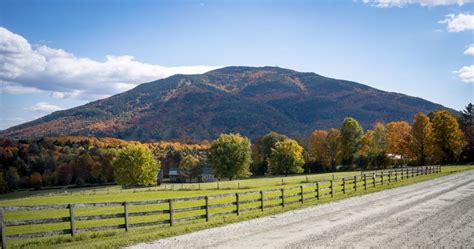
Key facts highlight the downturn:
- A 25-30% decrease in website traffic from Canada to Hill Farmstead Brewery in Greensboro.
- A 35% drop in ski pass sales to Canadians at Jay Peak Resort.
- Overall Canadian tourism to the state has decreased significantly, with some areas witnessing fewer than half the usual number of visitors.
For businesses that thrive on the influx of Canadian tourists, this loss is devastating. Jay Peak Resort, a prominent ski destination, has traditionally catered to a large number of Canadian customers. However, the resort is now facing unprecedented challenges as cancellations rise and ski season pass sales dwindle. Other attractions, such as the Kingdom Trails mountain biking network, have similarly suffered, as fewer Canadians make the trip across the border.
The trend of declining Canadian visitors does not appear to be a temporary setback. A recent survey conducted by the Canadian Automobile Association revealed that only 4% of Quebecers plan to visit the U.S. this summer, a stark contrast to 12% in the previous year. Many Canadians explicitly cite President Trump’s actions and rhetoric as the primary reasons for their decision to avoid U.S. destinations. Despite adjustments or pauses in tariffs, the damage to the relationship between the two nations has already been inflicted, with many choosing to spend their travel dollars within Canada instead.
In response to the ongoing challenges, Vermont’s tourism industry is actively seeking to revive its fortunes. Local officials and business owners are brainstorming strategies to repair the damage caused by the boycott. Vermont Governor Phil Scott has engaged with leaders from various Canadian provinces, discussing potential avenues to ease tensions and encourage more Canadians to visit. At the local level, businesses are making concerted efforts to maintain their connections with Canadian tourists through outreach initiatives and gestures of goodwill. One notable example is the Burlington City Council’s decision to rename Church Street to Canada Street for the summer, symbolizing solidarity and friendship.
Additionally, tourism leaders from northern Vermont have taken proactive steps by traveling to Quebec to explore ways to rebuild tourism relationships. These initiatives are vital for strengthening ties between Vermont and Canada, with the hope of reversing the current trends and enticing Canadian tourists back to the state.
Looking ahead, the road to recovery for Vermont’s tourism industry is fraught with challenges, yet there remains a sense of determination among stakeholders. Rebuilding cross-border connections is crucial for reversing the current decline in tourism. Vermont tourism leaders are optimistic that, with continued collaboration and targeted outreach, they can rekindle the flow of Canadian visitors and rejuvenate the state’s northern regions.
In summary, Vermont’s tourism sector is facing a formidable decline, largely attributed to the boycott instigated by President Trump’s divisive rhetoric. With Canadian tourism down by as much as 30%, especially in northern areas, local businesses like Jay Peak Resort and Hill Farmstead Brewery are enduring significant setbacks. Despite these adversities, Vermont officials are committed to revitalizing tourism and restoring strong ties with Canada, which have long served as an economic cornerstone for the state. The ongoing boycott poses serious challenges, but with sustained efforts to mend relationships, there is hope for a robust recovery in Vermont’s tourism landscape.