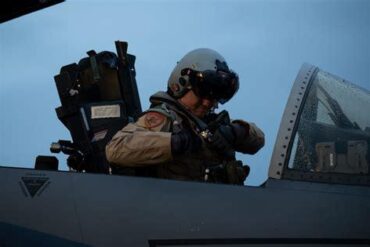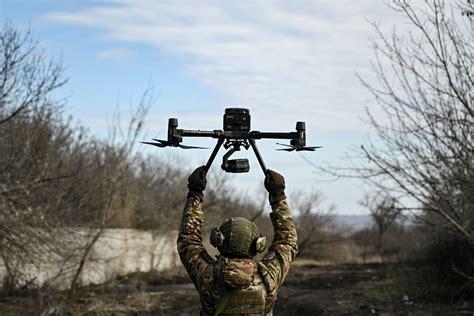
Amid escalating drone threats in multiple global hotspots, the Trump administration has initiated a controversial redirection of anti-drone systems initially allocated for Ukraine, instead transferring these critical assets to bolster U.S. military forces stationed in the Middle East. This strategic pivot, first reported by the Wall Street Journal, reflects deepening geopolitical recalibrations as the U.S. military braces for intensified conflict with Iran and Houthi militants operating in Yemen.
The Pentagon quietly notified Congress of the move last week, labeling it an “urgent issue” following the directive of Defense Secretary Pete Hegseth. The technology in question involves specialized fuzes for the Advanced Precision Kill Weapon System (APKWS) — a highly effective component in counter-drone warfare. These fuzes, originally procured under the Biden administration for Ukraine’s embattled air defenses, will now be shipped to American units in regions where drone threats from Iran-backed groups have become increasingly aggressive.

Ukraine’s Intensifying Drone Crisis Meets Dwindling U.S. Support
The redirection comes at a critical juncture for Ukraine, which is experiencing an unprecedented surge in aerial attacks. According to Ukrainian President Volodymyr Zelensky, over 20,000 Russian drones have been launched against Ukraine since the start of 2025. On the night of June 1 alone, Russia launched a staggering 472 drones — the highest number recorded in a single attack since the full-scale invasion began.
Ukraine’s military intelligence agency (HUR) has also warned that Russia is on the cusp of deploying more than 500 long-range drones nightly, supported by expanded production lines and newly constructed launch facilities. As Ukraine grapples with this aerial onslaught, the loss of critical anti-drone support from the United States could significantly erode its defensive capabilities.
Despite these dire circumstances, the Trump administration has demonstrated a marked shift in foreign policy priorities. Since beginning his second term in January, no new U.S. military aid packages have been approved for Ukraine. The White House temporarily paused all arms shipments in March, only resuming them after Kyiv signaled tentative support for a ceasefire framework proposed during the Jeddah talks on March 11.
Trump and Hegseth Signal Waning Commitment to Ukraine
This reallocation of assets is emblematic of a broader strategic cooling between Washington and Kyiv. Defense Secretary Hegseth, a vocal skeptic of continued U.S. support for Ukraine, has openly criticized escalating aid packages. Notably, on June 4 — the same day the redirection of fuzes was revealed — Hegseth skipped the Ukraine Defense Contact Group meeting. This absence marked the first time since Russia’s full-scale invasion that a U.S. Defense Secretary was not in attendance, sending a chilling signal about the administration’s diplomatic priorities.
Trump himself has maintained a transactional stance toward Ukraine. While in his first term he clashed with Congress over military assistance to Kyiv, his current administration has taken more definitive steps toward re-aligning U.S. military resources to focus on the Middle East. After a phone call with Russian President Vladimir Putin on June 4, Trump ominously remarked that “Putin will have to respond” to Ukraine’s recent drone strikes against Russian airfields — a comment many interpret as subtly aligning with Moscow’s narrative.
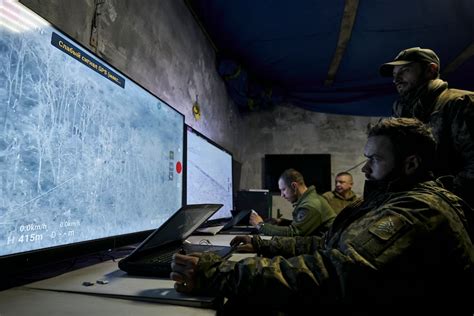
Rising Middle East Drone Threats Prompt Rapid U.S. Military Adjustments
In contrast to the increasingly strained alliance with Ukraine, the redeployment of APKWS fuzes to the Middle East reflects Washington’s growing alarm over threats posed by Iran and the Houthis. U.S. Central Command (CENTCOM) has repeatedly flagged drone-based attacks on American outposts in Iraq, Syria, and near the Bab el-Mandeb Strait — a strategic chokepoint for global oil shipping.
Over recent months, the Houthi rebel movement, heavily supported by Tehran, has intensified its use of armed drones targeting both Saudi and U.S.-allied infrastructure. Simultaneously, Iranian military drones have been spotted in Iraqi airspace and are suspected in recent surveillance attempts near American bases in the region. The Pentagon, faced with a multi-front drone warfare environment, appears to be prioritizing defense posture in these high-risk zones.
The APKWS system, enhanced with advanced fuzes, transforms standard unguided rockets into precision-guided munitions, offering a cost-effective yet formidable shield against low-flying unmanned aerial vehicles. With such systems in short supply and high demand, the administration’s decision to reroute these assets underscores the harsh trade-offs shaping U.S. global military posture.
Diplomatic Fallout: Allies Question U.S. Reliability
European allies and NATO partners have voiced concerns over what they see as a weakening of collective deterrence against Russian aggression. As Ukraine’s aerial vulnerability increases, the shifting of military aid away from Eastern Europe may be seen by Moscow as a green light for further escalation.
Moreover, Trump’s approach has fractured the previously united front within the Ukraine Defense Contact Group, with several member states now calling emergency sessions to reassess shared commitments. Privately, diplomats express fears that the U.S. might be slowly exiting the Ukrainian theater entirely, a possibility that would have profound consequences for Europe’s eastern flank.
Ukraine has appealed to its Western allies to urgently replenish depleted stocks of Patriot air defense systems, NASAMS, and drone jammers — technologies that remain vital to counter Russia’s expanding drone tactics. However, with Washington reorienting its focus, the burden is increasingly falling on EU nations and regional coalitions to fill the gap.
Strategic Implications: Reordering Priorities or Abandoning Commitments?
The Trump administration’s recalibration raises critical strategic questions. Is this a pragmatic reassessment of threat priorities, or a political retreat from longstanding security commitments?
For defense analysts, the decision exemplifies the zero-sum nature of modern military logistics. In an era of limited stockpiles and expanding threats, every reallocation comes at a cost. In this case, Ukraine pays the price for Washington’s intensified concern over Iranian drone warfare.
This moment also illustrates a broader shift in U.S. foreign policy philosophy. Under Trump and Hegseth, national security appears increasingly defined by regional containment and tactical deterrence, rather than ideological alignment or long-term alliance-building. That transformation carries risks: namely, it may embolden adversaries who see declining U.S. follow-through as an opportunity to test boundaries.
Conclusion: Tensions Rise as Drones Redefine Modern Warfare
As the world enters a new era of drone-dominated asymmetrical conflict, decisions like the redirection of anti-drone systems will shape both the immediate battlefield and long-term alliances. The Trump administration’s move to prioritize Middle Eastern deployments over Ukrainian defenses is not just a logistical adjustment — it is a strategic signal.
Whether that signal is interpreted as foresight or abandonment remains to be seen. But for Ukraine, the message is stark: in the shifting sands of American foreign policy, even the most pressing battlefield needs may be subordinated to emerging calculations thousands of miles away.