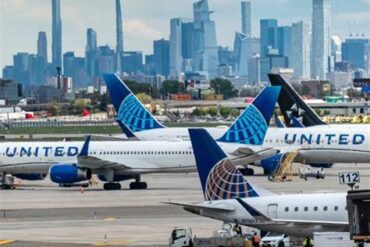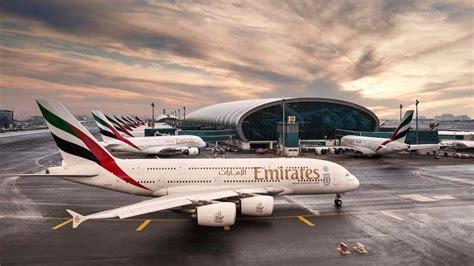
As of June 19, 2025, the escalating geopolitical tensions between Israel and Iran have severely disrupted air travel across the Middle East, leading to widespread flight cancellations, delays, and airspace closures. This tumultuous situation has forced major airlines such as Emirates, Qatar Airways, Flydubai, Etihad Airways, Lufthansa, KLM, and Ryanair to grapple with significant disruptions at key airports, including Dubai International Airport (DXB) and Hamad International Airport. The ongoing instability has resulted in multiple airlines suspending or rerouting flights, creating uncertainty for travelers and raising concerns over safety in the region.
The conflict intensified following Israeli airstrikes on Iranian military targets, prompting several countries to close their airspace and suspend flight operations. Travelers in and out of the Middle East are now facing challenges that could further complicate their plans as air traffic continues to be heavily impacted by these geopolitical events.
Current State of Air Travel in the Middle East
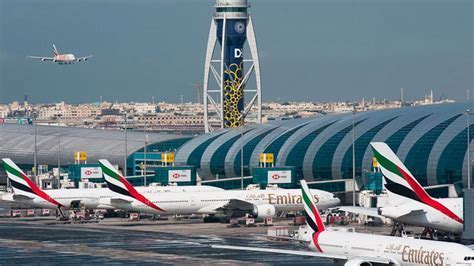
The impact of these geopolitical tensions is being felt acutely at major travel hubs such as DXB and Hamad International Airport. As airlines adjust their schedules to comply with airspace restrictions and ensure passenger safety, travelers can expect extensive delays and cancellations. For instance, numerous flights scheduled to arrive and depart from DXB have been delayed, with flight statuses changing rapidly due to the fluid nature of the situation. Travelers looking to fly to destinations like Tehran, Damascus, and Baghdad are particularly affected, as many flights have been suspended or canceled altogether.
The following are just a few examples of the flight disruptions currently affecting DXB:
- Flydubai has seen multiple flights delayed, including routes to Bishkek, Mineralnye Vody, and Edinburgh. Several flights to Tehran have been canceled.
- Emirates is experiencing significant delays on flights to New Delhi, Toronto, and Moscow, alongside cancellations to destinations directly affected by the geopolitical tensions.
This is not an isolated issue; the ripple effects are felt throughout the aviation industry, with airlines struggling to maintain schedules while prioritizing passenger safety. Given the severity of the situation, travelers are advised to stay updated on their flight statuses and consider alternative arrangements if necessary.
Impact on Major Airlines
The ongoing conflict has forced multiple airlines to take drastic measures, impacting operations and schedules significantly. Each airline has reacted differently to the evolving circumstances, with some choosing to suspend specific routes altogether while others have opted for temporary cancellations.
Emirates
Suspended Routes: Emirates has canceled flights to and from Iran, Iraq, Jordan, Lebanon, and Israel until mid-June, reflecting broader airspace restrictions and safety concerns.
Qatar Airways
Suspended Routes: Qatar Airways has followed suit, canceling flights to and from Iran, Iraq, Syria, and Jordan until mid-June due to the ongoing conflict.
Flydubai
Suspended Routes: Flydubai has suspended flights to Amman, Beirut, Damascus, and Israel, with further cancellations and reroutes expected as the situation develops.
Etihad Airways
Suspended Routes: Etihad Airways has canceled flights to and from Tel Aviv and extended delays on flights to Amman, taking precautionary measures in light of regional security concerns.
Airspace Closures Affecting Travel
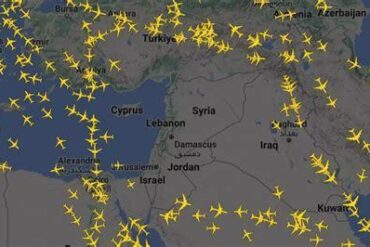
The escalating conflict has led to a cascade of airspace closures, with multiple countries in the Middle East restricting access to their airspace for commercial flights. Notably, Israel, Iran, Iraq, and Jordan have all implemented these restrictions, which have resulted in significant disruptions to flight operations.
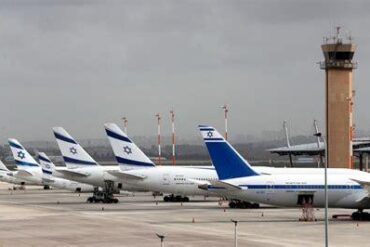
- Israel’s Ben Gurion Airport has been closed, and Iranian airports, such as Imam Khomeini International Airport, have suspended flights entirely.
- Iraq and Jordan have also closed their airspace, complicating travel arrangements further.
Major international carriers, including Lufthansa, Air France, and KLM, have suspended flights to Tel Aviv and Tehran until further notice, highlighting the widespread impact of these geopolitical tensions on global air travel.
Future Implications for Travelers
As the situation evolves, travelers should remain vigilant and informed about potential changes to their travel plans. The following implications are essential to consider:
- Continued Cancellations: It is highly likely that flight cancellations will persist as airlines navigate the complexities of airspace restrictions and safety concerns.
- Increased Delays: Even if flights are not canceled, travelers can expect longer wait times at airports, as airlines work to accommodate the changing landscape of air travel in the region.
- Alternative Routes: Travelers may need to explore alternative flight options, including rerouted flights that bypass affected areas. This could lead to longer travel times and potential additional costs.
Conclusion
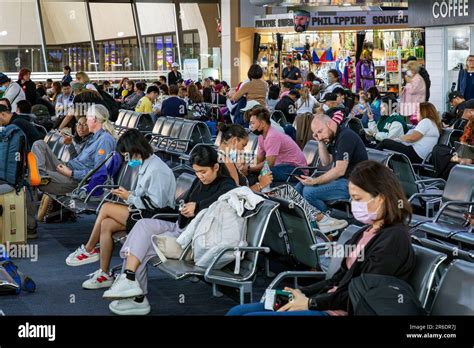
In conclusion, the rising geopolitical tensions in the Middle East are creating significant disruptions in air travel, particularly at Dubai International Airport and Hamad International Airport. With major airlines like Emirates, Qatar Airways, Flydubai, Etihad Airways, Lufthansa, KLM, and Ryanair facing ongoing challenges, travelers must stay informed and adaptable. The potential for continued flight cancellations and delays underscores the importance of monitoring the situation closely and being prepared for changes to travel plans. As the situation develops, it remains crucial for travelers to prioritize their safety and consider all available options when planning their journeys through this increasingly volatile region.