As India’s leading airlines face a precarious market landscape, the convergence of surging oil prices and escalating geopolitical tensions in the Middle East is creating a perfect storm for the aviation sector. Major players like IndiGo and SpiceJet are currently navigating these turbulent waters, with rising operational costs and investor uncertainty looming large over their growth trajectories.
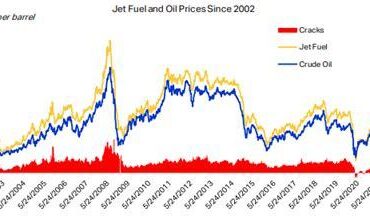
The recent spike in crude oil prices, edging closer to the psychological barrier of one hundred dollars per barrel, has raised alarm bells across the industry. The Strait of Hormuz, a vital artery for global oil supply, is under scrutiny as tensions between Iran and Israel intensify, potentially disrupting oil flows. This situation poses significant challenges for airlines that are already grappling with high operational costs. Analysts suggest that while flight schedules remain stable for the time being, sustained geopolitical unrest could lead to a steep decline in profit margins and thwart expansion plans.
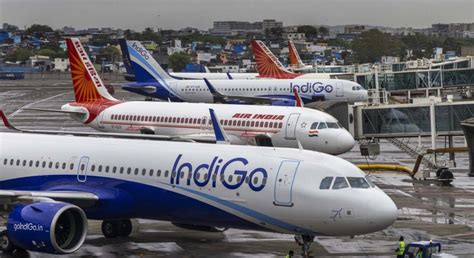
In trading sessions, shares of both InterGlobe Aviation Ltd (IndiGo) and SpiceJet Ltd have exhibited mixed performance, reflecting the underlying investor concerns about rising fuel prices. The uncertainty surrounding U.S. military alignment in the Middle East has further fueled market volatility, raising questions about the duration and impact of the ongoing conflict. Although current operations have not faced significant disruptions, analysts caution that the implications of increased fuel costs could be severe if tensions persist.
Crude Oil Prices Under Pressure
According to insights from Nuvama Institutional Equities, the escalating Iran-Israel conflict is poised to exert upward pressure on crude oil prices. With the potential for conflict to disrupt the Strait of Hormuz, through which approximately fifteen percent of the world’s oil supply is transported, the stakes are high. The brokerage firm has noted that a “war premium” has already been baked into current crude prices, which are inching closer to triple digits. Choice Broking has echoed this sentiment, predicting a potential rally in global oil markets that could see prices reach ninety-five dollars per barrel if the geopolitical tensions continue unabated. However, they also caution that such elevated pricing may not be sustainable in the long run, depending on how the geopolitical narrative evolves.
IndiGo Faces Margin Pressure from Fuel Costs
While flight schedules for the upcoming June quarter appear robust—projecting an eleven percent year-on-year increase totaling 346,000 scheduled flights—rising input costs pose a significant threat to IndiGo’s profitability. The breakdown reveals that domestic flight capacity is set to expand by eight percent, while international flights are expected to soar by twenty-seven percent, showcasing strong demand for outbound travel. Despite its operational resilience, IndiGo has struggled to fully pass on previous oil price surges to consumers. The airline’s margin pressure is exacerbated by the closure of Pakistani airspace, which is estimated to have a modest one to three percent impact on IndiGo’s FY26 EBITDAR (Earnings Before Interest, Taxes, Depreciation, Amortization, and Rent). Moreover, IndiGo’s ambitious target of achieving thirty percent annual growth for international passengers may be threatened by these escalating costs and market dynamics.
SpiceJet Under Mixed Analyst Sentiment
On the other hand, SpiceJet, the smaller yet significant player in the Indian aviation sector, finds itself in a precarious position, characterized by mixed analyst sentiments. The airline has garnered a blend of buy, hold, and sell recommendations, reflecting its unstable financial outlook and susceptibility to external shocks such as fuel price spikes or airspace restrictions. While no immediate threat to scheduled services has been observed, a prolonged regional conflict or disruption in oil supply could critically undermine SpiceJet’s recovery path. Operational challenges have left the carrier ill-equipped to absorb the additional burden of rising aviation turbine fuel costs, making it particularly vulnerable in this volatile environment.
Brokerage Outlook Remains Cautious
Despite the steady demand for travel and expanding flight operations, both SpiceJet and IndiGo are viewed with caution by brokerage firms due to high valuations and near-term uncertainties. Nuvama has maintained a ‘Hold’ rating on both carriers, emphasizing the difficulty of forecasting outcomes amid unpredictable geopolitical developments. The ongoing pressures from soaring oil prices and escalating tensions in the Middle East threaten to destabilize the aviation sector, raising concerns over cost escalation and disrupted growth trajectories.
Conclusion: Future Prospects for India’s Aviation Sector
The landscape for India’s airline industry remains structurally strong, bolstered by encouraging demand dynamics, particularly in international travel. However, the dual challenges of rising oil prices and potential airspace closures stemming from geopolitical instability represent significant hurdles for carriers aiming to maintain their margins and expansion strategies. Until clarity emerges regarding the Iran-Israel situation and global oil markets stabilize, aviation stocks are likely to experience continued volatility.
In this context, the future of India’s leading airlines will depend heavily on their ability to adapt to changing market conditions, manage operational costs effectively, and navigate the complexities of international relations that directly impact the aviation sector.