The U.S. airline industry witnessed a much-needed upswing as the stock prices of United Airlines, American Airlines, and Delta Air Lines surged in tandem with falling oil prices. This notable development followed the easing of tensions between Israel and Iran, a geopolitical standoff that had recently sent global oil markets into turmoil. The retreat of crude oil prices by roughly 2% on June 16, 2025, offered immediate relief to carriers that had been grappling with spiking fuel costs, which are among the most volatile and burdensome components of airline operations. The sentiment across financial markets reflected a collective exhale, as investors embraced reports of diplomatic efforts aimed at de-escalation and potential ceasefire negotiations between the two Middle Eastern powers.

The Israel-Iran standoff, which had intensified with Israeli airstrikes on Iranian military installations and a sensitive nuclear facility near Qom, coupled with Iran’s retaliatory missile strikes, ignited fears of a full-scale regional conflict. The threat to vital shipping routes, particularly the Strait of Hormuz, had caused oil futures to spike as much as 7% just days earlier. Such surges immediately translated into investor anxiety within the airline sector, as carriers braced for a prolonged period of elevated fuel expenses that could erode already thin profit margins. However, the unexpected turn toward diplomacy, with Iran signaling openness to negotiations, reshaped the outlook overnight. The swift pullback in oil prices reversed the downward trend that had beset airline equities, propelling them into positive territory.
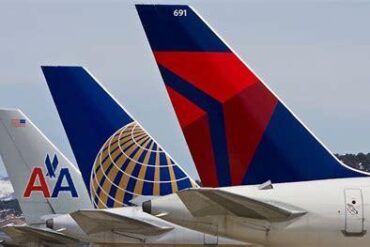
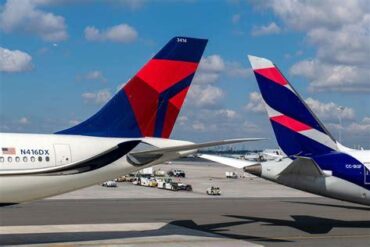
On the trading floor, the impact was palpable. United Airlines Holdings Inc. (UAL) saw its share price climb by 5.57%, closing at \$78.12, while American Airlines Group Inc. (AAL) registered a 4.29% gain, ending the session at \$10.82. Delta Air Lines, Inc. (DAL) also joined the rally with a 4.63% rise to \$49.22. These sharp gains underscored how sensitive airline valuations are to shifts in energy prices. Even carriers that traditionally hedge their fuel costs or operate more efficiently saw gains, as exemplified by Southwest Airlines Co. (LUV) and JetBlue Airways Corp. (JBLU), which posted modest but meaningful increases of 1.15% and 1.90% respectively. The NYSE Arca Airline Index, a barometer of the sector’s health, leaped 4%, offering further confirmation of the sector’s rebound.
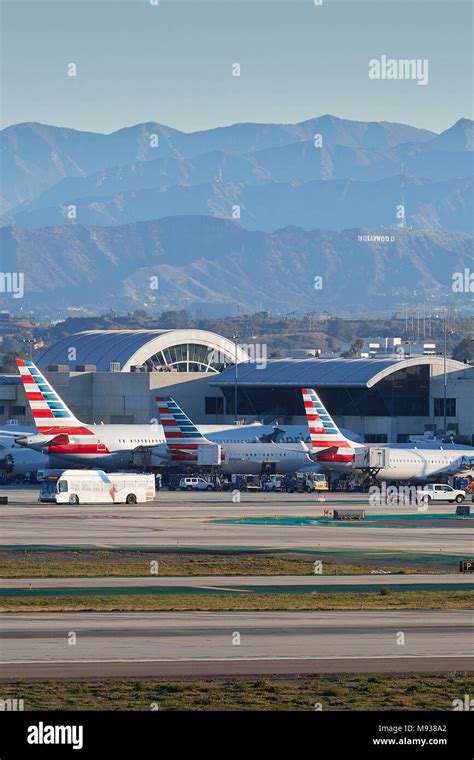
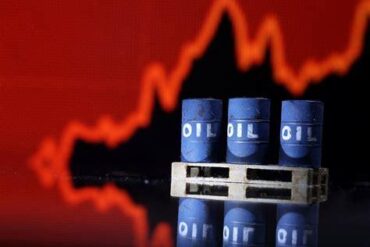
The oil price dynamic is one of the most critical levers for airline profitability. Historically, fuel expenses can account for 20% to 30% of total operating costs for major carriers, depending on routes, fleet composition, and hedging strategies. The previous week’s surge in oil prices had compounded pressures on airlines already facing rising labor costs and post-pandemic operational challenges. With oil prices retreating, airlines now have an opportunity to recalibrate, potentially stabilizing fares and preserving margins as they head into the high-demand summer travel season.
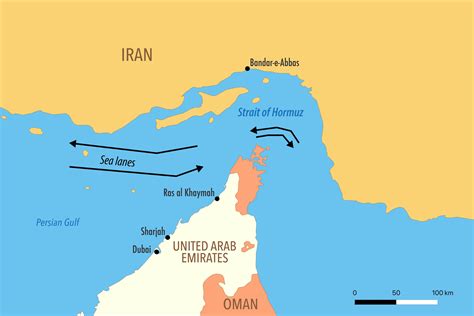
Beyond the immediate relief, the geopolitical narrative remains intricate and fluid. The Strait of Hormuz, through which nearly a fifth of global oil supply flows, continues to represent a flashpoint of vulnerability. Any renewed hostilities between Israel and Iran could once again imperil this critical artery, sending oil prices and, by extension, airline costs, soaring. The recent military exchanges — from Israeli precision strikes to Iranian drone and missile retaliations — highlight how quickly the situation can deteriorate, threatening supply chains and economic stability far beyond the Middle East.
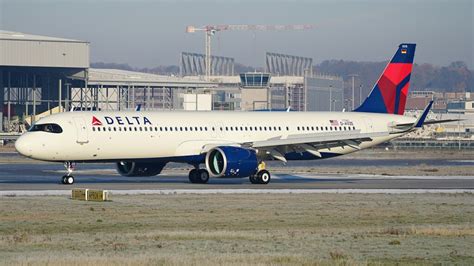
While the markets cheered the signs of de-escalation, industry analysts and airline executives alike remain cautious. Oil futures continue to exhibit high volatility, reflecting underlying fears that diplomatic overtures might prove fleeting or insufficient in resolving deep-seated hostilities. For airlines, the challenge is not merely the current price of fuel but also the uncertainty that hinders strategic planning and cost forecasting. Airline fuel procurement teams and CFOs are likely recalibrating their risk models, weighing short-term gains against the potential for renewed spikes in fuel costs.
Moreover, the relief provided by lower fuel prices does not address other headwinds facing the sector. The COVID-19 pandemic’s lingering effects on international travel, the complexities of adjusting capacity to demand, and the intensifying competition from low-cost carriers all continue to test the resilience of legacy airlines. United, American, and Delta may have seized a reprieve from oil market pressures, but they still operate in a challenging landscape where adaptability and cost discipline are paramount.
Industry watchers will also note that the airline sector’s stock recovery coincided with a broader bounce in travel and leisure equities, signaling investor optimism that geopolitical risk — while far from eliminated — may be subsiding, at least for now. The responsiveness of airline stocks to oil price movements has once again reaffirmed the tight coupling of the two markets. While airlines have taken steps over the years to improve fuel efficiency and diversify fleet composition, their fortunes remain inexorably linked to the price of crude.
Looking ahead, the key question is whether the diplomatic momentum between Israel and Iran can hold. The Biden administration’s behind-the-scenes efforts at mediation, coupled with pressure from European allies, appear to have helped avert a wider conflagration for now. Yet, with both nations maintaining formidable military capabilities and deep strategic grievances, the risk of renewed clashes looms large. For airlines, that means that the respite in fuel prices could prove temporary, and prudent financial stewardship will be essential to navigating the months ahead.
There are also broader macroeconomic factors at play. As global energy markets adjust to shifting supply-demand dynamics, the price of oil will continue to be influenced not just by Middle East tensions but by decisions from OPEC+, U.S. shale producers, and global demand trends. Airlines will need to monitor these variables closely, particularly as they set pricing strategies and finalize capacity plans for the remainder of 2025. The alignment of fuel prices, demand recovery, and cost management will dictate profitability far more than any single external event.
The recent stock gains for United, American, and Delta highlight the agility of investors in responding to external shocks and the potential for quick reversals in sentiment. The airline sector’s rebound, while encouraging, also serves as a stark reminder of the fragility of the post-pandemic recovery. Should oil prices spike again due to geopolitical events, airlines could find themselves once more facing margin erosion and investor skepticism.
In conclusion, while the fall in oil prices triggered by the easing of Israel-Iran tensions has brought a surge of optimism to airline markets, the road ahead remains fraught with uncertainty. The immediate windfall provides breathing space for carriers to fortify operations and shore up financial performance. But sustainable growth will hinge on the sector’s ability to navigate a complex interplay of geopolitical risks, energy market volatility, and evolving consumer demand. The coming weeks and months will be critical in determining whether the recent stock surge marks the beginning of a sustained recovery or merely a temporary rally amid an unpredictable global backdrop.