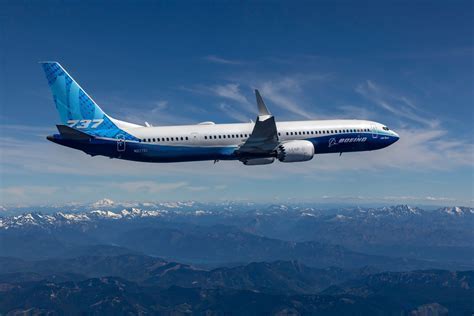
After months of geopolitical and economic friction, Boeing is preparing to resume aircraft deliveries to China, marking a potential thaw in a tense U.S.–China trade climate that disrupted one of the most crucial commercial aviation corridors in the world. On Friday, a Boeing 737 MAX jet bearing the livery of Xiamen Airlines departed Seattle en route to Kailua-Kona, Hawaii—one of the standard refueling points on the long Pacific route toward China. Although Boeing declined to confirm the aircraft’s final destination, industry observers have little doubt that this signals the rekindling of delivery operations to Chinese clients.
The Trade War’s Disruptive Grip on Aviation
The backdrop to this development is the escalating tariff conflict between the United States and China, which saw new Boeing deliveries to Chinese customers abruptly halted in April. The stoppage came in the wake of reciprocal trade tariffs initiated by the Trump administration. China, caught in the retaliatory crossfire, ceased accepting deliveries of American-made jets, despite having dozens in queue.
China accounts for nearly 10% of Boeing’s commercial aircraft backlog, a figure that underscores the importance of this market not only to Boeing’s production pipeline but also to its financial performance. The standstill forced Boeing into a precarious position: grounded aircraft in storage, suspended revenue streams, and damaged trust with one of its most strategically vital customers.
A Strategic Pivot: Temporary Repatriation and Storage
Boeing responded to the freeze by repatriating at least three 737 MAX jets from its Zhoushan completion center near Shanghai. This facility, a symbol of U.S.–China aerospace cooperation, had been designed to finalize aircraft configurations for Chinese carriers. In April, however, with the tariff environment worsening, Boeing made the decision to fly some of those aircraft back to the U.S., starting with the same Xiamen Airlines jet now headed west once more.
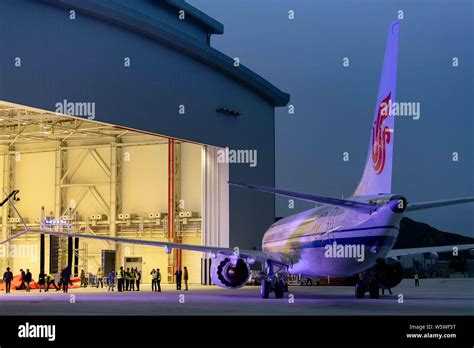
During this period, Boeing made it clear that, while alternative buyers were being considered for these aircraft, no sales were finalized. This underscored not just the logistical complications of rerouting high-spec aircraft, but also the deep-rooted anticipation within Boeing that China would eventually reopen the delivery gates.
Diplomatic Détente: The Road to Re-engagement
That long-anticipated shift appears to be underway. On May 12, U.S. and Chinese trade representatives agreed to roll back the bulk of tariffs for 90 days, providing a critical diplomatic breathing space. President Trump later announced that delegations would meet in London on June 9 to continue trade deal negotiations. While still fragile, this tentative détente has already begun yielding tangible economic results—chief among them the potential resumption of commercial aircraft deliveries.
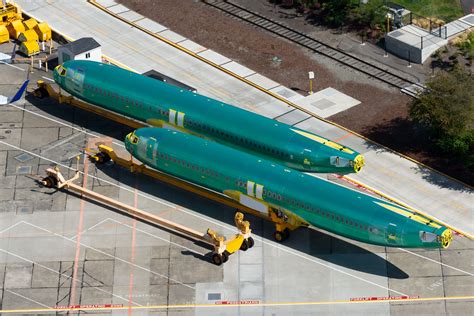
According to Boeing CEO Kelly Ortberg, Chinese airlines are expected to begin accepting new deliveries by mid-June, representing a significant step forward after months of paralysis. Boeing has disclosed that 41 of the 50 jets destined for Chinese carriers this year were already in production or pre-built, placing the company in a strong position to act quickly as the export channel reopens.
Commercial Stakes and Strategic Importance
The significance of restarting deliveries extends far beyond the balance sheets. Boeing’s presence in China has always been about more than aircraft—it is a linchpin of U.S. industrial diplomacy and a strategic hedge against the rising influence of Chinese aerospace ambitions, notably COMAC and the C919 project.
Re-engagement with China ensures Boeing’s relevance in a market projected to require over 8,000 new commercial jets in the next two decades. Any prolonged freeze would have invited long-term realignment, pushing Chinese carriers toward Airbus or domestic alternatives.
Moreover, the halt in deliveries caused significant disruption within the U.S. aerospace supply chain, especially among Tier 1 and Tier 2 suppliers that depend on Boeing’s production rhythm. These include manufacturers of avionics, landing gear, engines, and interiors—many of whom were already operating at reduced margins due to post-COVID volatility. A renewed flow of aircraft to China could reactivate paused production lines and restore financial confidence across the supplier base.
Unanswered Questions in Beijing
Despite all signals pointing to a delivery resumption, Beijing has not officially commented on why Boeing deliveries stopped or what conditions led to their return. Chinese authorities have previously alluded to the effects of “U.S.-imposed tariffs” on aviation supply chains but avoided specifics. Analysts interpret this silence as strategic ambiguity, allowing China to keep its trade position flexible while extracting maximum diplomatic concessions.
The Xiamen Airlines jet’s quiet return to the delivery pipeline is emblematic of this understated policy recalibration. With no formal announcement but clear movement on the ground, China may be signaling readiness to engage—on its own terms.
Boeing’s Calculated Patience
Boeing’s approach throughout the impasse has been marked by cautious pragmatism. Rather than liquidating assets or aggressively reselling aircraft to alternate buyers, Boeing held its position, banking on the eventual resumption of Chinese demand. That gamble may now be paying off.
Executives were acutely aware that reallocating jets meant for China to other customers would cause longer-term damage to its Chinese partnerships. The decision to wait, even at the cost of storage expenses and cash flow constraints, reveals the enduring strategic value Boeing places on the Chinese market.
Economic and Geopolitical Implications
With over $10 billion in aircraft orders tied up in the Chinese market, Boeing’s delivery freeze became a flashpoint in the broader economic contest between Washington and Beijing. The resumption of deliveries may now serve as a barometer of wider de-escalation efforts in the trade war, and potentially a harbinger of normalized industrial relations.
Airbus, which has seen increased Chinese orders during Boeing’s downturn, may now face intensified competition as Boeing reclaims market share. Given that air travel demand in China continues to rebound and that state-owned airlines are under pressure to expand capacity, the timing could not be more critical.
The shift also comes as China doubles down on domestic aerospace development, particularly with the COMAC C919 project recently receiving type certification. Boeing must now not only resume deliveries but also reinforce its long-term value proposition to stay competitive in a landscape where aerospace nationalism is increasingly prominent.
The Return Flight and What Comes Next
As the Xiamen Airlines 737 MAX crosses the Pacific, it symbolizes more than a resumed delivery. It marks the possible reopening of a high-stakes corridor that affects jobs, diplomacy, and global market equilibrium. With trade talks scheduled and aircraft already moving, the coming weeks will determine whether this is a fleeting opportunity or the start of a full restoration of U.S.–China aerospace cooperation.
Boeing’s strategy now will likely involve aggressive re-engagement, potentially including expanded production at its Zhoushan facility, renewed commitments on aftersales service, and increased localization of parts sourcing to insulate future deals from geopolitical shocks.
What remains certain is that every jet that lifts off toward China is carrying more than passengers or freight—it’s transporting the hopes of restored trust and mutual economic benefit.