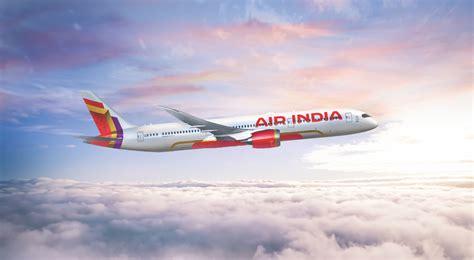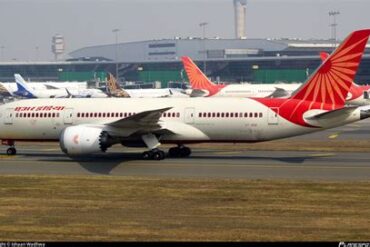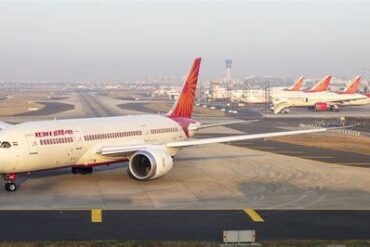
In a pivotal step toward restoring its global operations, Air India has confirmed the resumption of several international routes starting August 1, 2025, marking a significant move following a tragic incident that had prompted a temporary halt in services. The airline, now under the ownership of Tata Group, is gradually reinstating flights that were paused as part of a comprehensive fleet safety evaluation involving its Boeing 787 Dreamliner aircraft.
The resumption, however, does not signal a return to the status quo. Some adjustments, including frequency reductions and changes in airport destinations, reflect the airline’s recalibrated strategy for post-crisis recovery and sustainable international expansion.
Tragic Catalyst Behind the Pause
Air India’s global network came to an abrupt reevaluation earlier this year when flight AI171, a Boeing 787-8 Dreamliner, crashed shortly after takeoff from Ahmedabad, claiming the lives of nearly all on board and several on the ground. The tragedy prompted immediate investigations and grounded flights, severely disrupting international operations. The incident, while still under investigation, forced the carrier to scrutinize its fleet, operations, and safety mechanisms under immense public and regulatory pressure.
The crash sparked global scrutiny, with U.S. investigators reportedly threatening to withdraw from the probe due to concerns over transparency and cooperation. This intensified the need for Air India to demonstrate rigorous internal audits and a resolute commitment to safety. While the root cause of the crash remains officially undetermined, the airline has since completed extensive checks across its Dreamliner fleet.
August Relaunch: A Phased International Revival
According to the latest reports from Business Standard, Air India’s phased restoration will kick off on August 1, 2025, with full pre-pause international operations targeted by October 1, 2025. The airline is expected to operate 575 weekly international flights across 63 routes, once the schedule is fully restored. This phased approach reflects a cautious yet determined return to normalcy.
In a statement, the airline clarified:
“As the schedule reductions taken as part of the Safety Pause had been implemented until July 31 and the restoration to full operation is being phased, some services initially planned to operate between August 1 and September 30 will be removed from the schedule.”
This means that while a majority of suspended routes will resume, not all will return in their original form.
High-Impact Routes: Adjustments and Restorations
One of the most notable adjustments involves the Ahmedabad–London route. Before the crash, AI171 connected Ahmedabad to London Gatwick Airport five times weekly. When the service resumes later in 2025, it will operate only three times weekly, and crucially, will shift its destination to London Heathrow Airport, a move likely aimed at optimizing connectivity and operational safety.
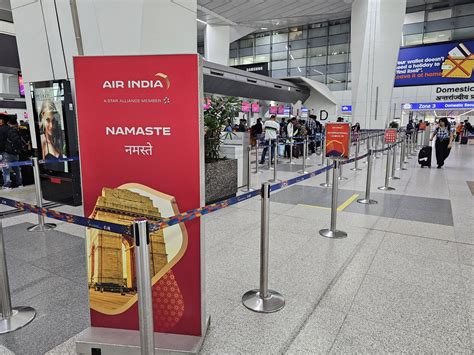
Additionally, Delhi-based flights to Zurich, Tokyo, and Seoul will resume fully, with the Zurich service seeing an increase in frequency, indicating a demand-driven strategy in reviving certain high-performing routes. These changes underscore a targeted approach—focusing resources on routes with the most strategic value while cutting or modifying others.
Some services originally scheduled to return between August and September will be deferred or canceled altogether, reinforcing the idea that Air India is prioritizing safety, aircraft readiness, and commercial feasibility over rapid reinstatement.
Fleet Recovery: Dreamliner Scrutiny and Vistara Integration
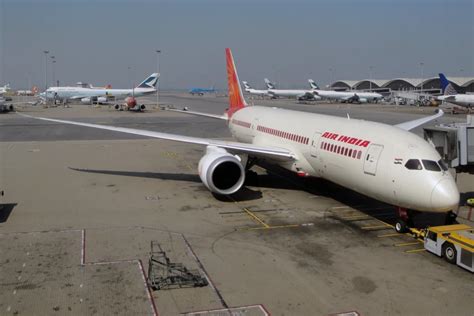
At the center of this transformation is the Boeing 787 Dreamliner—Air India’s long-haul workhorse. The crash of AI171 forced the airline to reevaluate its 787 fleet operations. Inspections, technical reviews, and procedural overhauls delayed numerous services, but Air India now signals confidence in its fleet’s airworthiness.
This confidence is bolstered by the integration of former Vistara Dreamliners into the fleet. These aircraft, already configured for international operations, have been crucial in helping Air India maintain connectivity and gradually reinstate services without compromising on capacity or safety.
Post-Crash Strategy: Safety Over Speed
Air India’s decision to slowly phase in international flights rather than rushing into full-scale operations is emblematic of a “safety over speed” doctrine. This approach is designed not only to reassure passengers and regulators but also to strengthen the airline’s long-term credibility and resilience.
Even as the airline awaits the final findings of the AI171 crash investigation, its readiness to restore service reflects the completion of rigorous technical and operational assessments. The Directorate General of Civil Aviation (DGCA) has reportedly monitored this process closely, ensuring that reintroduced flights meet stringent regulatory standards.
Airline Transformation: Tata Group’s Overhaul Continues
Beyond the current crisis, Air India is undergoing a multi-year transformation under the Tata Group, which acquired the carrier from the Indian government in 2022. This transition involves a sweeping rebranding initiative, fleet modernization, and a renewed focus on customer experience.
The airline is currently revamping:
- Cabin interiors across all classes
- Ground services at major hubs
- Digital booking systems and loyalty programs
- Brand identity, including new uniforms and aircraft liveries

The airline has also placed record-breaking orders for new aircraft, including Airbus A350s and Boeing 777Xs, signaling intent to reclaim its place as a dominant global player. These investments, however, will take years to bear fruit. In the short term, restoring flight frequency and regaining passenger trust remain top priorities.
A Critical Test of Leadership and Brand Recovery
The crisis sparked by AI171’s crash is proving to be a defining moment for CEO Campbell Wilson, who took over amid heightened expectations. With a background in airline operations and strategy, Wilson has emphasized transparency, internal reform, and a culture of accountability. His leadership now faces the ultimate test: rebuilding confidence without sacrificing pace or profitability.
For many observers, the true measure of success will not be in restored schedules alone, but in the airline’s ability to deliver consistently safe, reliable, and high-quality international service in the months and years ahead.
The Broader Context: Global Aviation Watches Closely
Air India’s situation mirrors challenges faced by airlines worldwide—balancing safety, fleet management, and financial pressure amid public scrutiny. The global aviation community continues to watch closely as Air India navigates this difficult chapter.
India’s national carrier plays an outsized role in connecting its diaspora, business community, and tourism sector to global destinations. Its recovery is therefore not just a matter of corporate survival but one of national interest and economic significance.
Looking Ahead: Can Air India Soar Again?
Despite the setbacks, Air India’s route restorations mark a decisive turning point. By prioritizing key markets such as Europe, East Asia, and North America, the airline signals a measured comeback tailored for resilience. However, the scars of the tragedy—and the operational fragilities it exposed—will not fade quickly.
Trust, once lost, is hard-earned. But with steady leadership, a clear transformation plan, and a return to safe operations, Air India’s international ambitions may yet take flight once more.
As the August relaunch begins, millions will watch not just where Air India flies, but how it flies—and whether it can truly transform from a troubled legacy brand into a world-class airline.