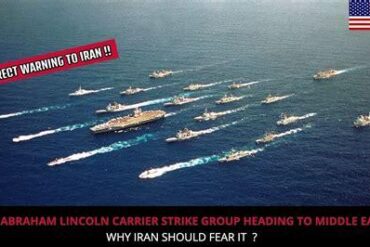
The question of whether the United States possesses enough weapons to sustain a prolonged conflict with Iran has shifted from theoretical debate to urgent strategic concern. Beneath confident political messaging lies a far more complex reality—one shaped by finite stockpiles, industrial bottlenecks, and competing global commitments. The recently announced five-day pause in U.S. strikes on Iran is not merely a tactical breather; it reflects deeper structural strains within America’s military readiness.
At first glance, official statements painted a picture of overwhelming strength. Senior leadership emphasized “virtually unlimited” supplies and the ability to sustain operations indefinitely. Yet, as analysts and defense experts dig deeper, a more nuanced—and frankly more constrained—picture emerges. High-intensity warfare against a capable regional adversary like Iran demands not just quantity, but precision, survivability, and rapid replenishment capacity.
The disconnect between political assurances and operational realities is where this story becomes particularly revealing. The United States remains the most powerful military force on Earth, but even that dominance has limits when confronted with simultaneous global obligations and modern warfare consumption rates.
The Strategic Meaning Behind the 5-Day Pause
The five-day halt in strikes against Iran is best understood not as hesitation, but as strategic recalibration under pressure. Warfare at this level is not simply about launching attacks—it is about sustaining them without compromising other theaters, particularly the Indo-Pacific, where tensions with China remain a top priority.
Behind the scenes, the pause likely serves several critical purposes. It allows commanders to assess munitions expenditure, reposition assets, and evaluate vulnerabilities exposed during the initial phase of operations. More importantly, it buys time for policymakers to reconcile a difficult truth: high-end weapons are being consumed faster than they can be replaced.
This is not unprecedented. Modern U.S. doctrine relies heavily on precision-guided munitions, stealth platforms, and advanced missile defense systems, all of which are extraordinarily effective—but also expensive and slow to produce. When used at scale, even the largest stockpiles begin to shrink at uncomfortable speeds.
What “Enough Weapons” Really Means in Modern War
The phrase “enough weapons” sounds straightforward, but in military terms, it is anything but simple. The United States does not fight wars using sheer volume alone. Instead, it relies on technological superiority and precision engagement, which dramatically increases effectiveness—but also logistical complexity.
For example, gravity bombs like JDAMs are relatively abundant and inexpensive. However, they require air superiority to be effective—something that cannot always be guaranteed in contested environments. In contrast, stand-off precision weapons, such as cruise missiles, allow strikes from safer distances but are significantly more limited in number.
This distinction matters. Political rhetoric often blends these categories, creating an impression of abundance that does not fully apply to the most critical, high-end systems actually used in frontline operations against Iran.
The Arsenal Deployed Against Iran: Power at a Cost
The scale and sophistication of U.S. military assets deployed in the Iran theater are staggering. From stealth bombers to missile defense systems, the campaign has showcased the full spectrum of American military capability.
Among the most prominent systems are:
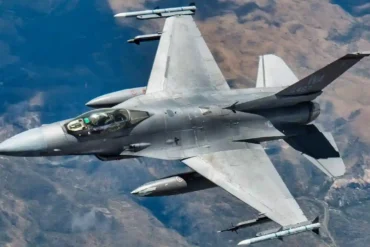
- F-35 and F-22 stealth fighters, designed for penetrating advanced air defenses
- B-2 and B-1 bombers, capable of delivering long-range precision strikes
- Tomahawk cruise missiles, launched from naval platforms
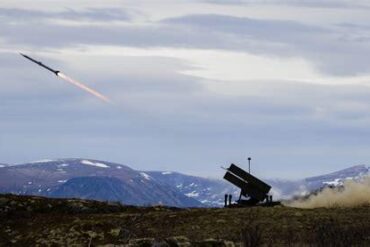
- Patriot and THAAD systems, essential for intercepting incoming threats
- MQ-9 Reaper drones, providing surveillance and strike capabilities
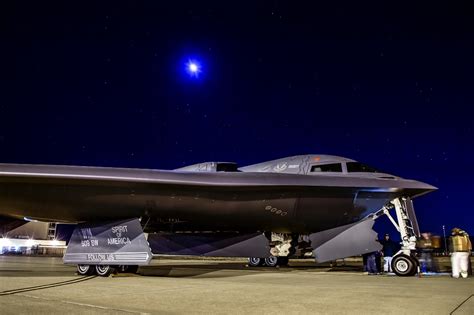
Each of these systems represents a technological marvel, but also a logistical burden. Their usage is not easily scalable. Every missile fired, every interceptor launched, and every sortie flown contributes to a growing strain on inventory levels and maintenance cycles.
The Hidden Weakness: Depleting High-End Munitions
The most pressing concern is not the availability of basic weapons, but the depletion of high-end precision munitions. These are the backbone of modern U.S. warfare—and they are being consumed rapidly.
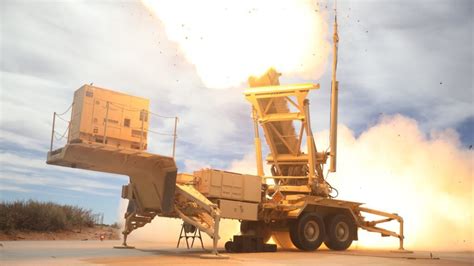
Reports indicate significant usage of Patriot and THAAD interceptors, with estimates suggesting that a substantial portion of available stock has already been expended. These systems are critical for defending U.S. forces and allies from missile threats, making their depletion particularly alarming.
The situation with Tomahawk missiles and air-launched precision weapons follows a similar pattern. These are not items that can be replenished overnight. Manufacturing timelines stretch into months or even years, creating a gap between consumption and replacement that widens during sustained conflict.
The Cost of War: Billions in Days
If the scale of weapons usage is eye-opening, the financial cost is equally staggering. Within just the first six days of operations, the United States reportedly spent over $11 billion. That figure underscores how quickly modern warfare can drain not just stockpiles, but also budgets.
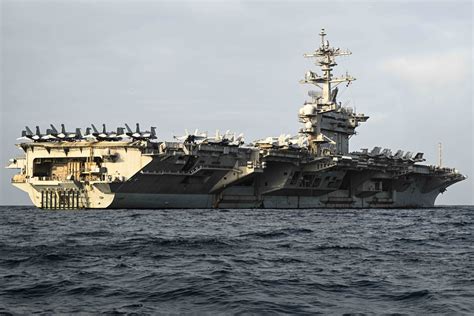
Operating a single carrier strike group costs millions per day. Each Patriot interceptor, priced at around $3 million, represents a significant investment every time it is used. Multiply that across dozens or hundreds of engagements, and the numbers escalate rapidly.
This financial dimension feeds directly into strategic decision-making. A pause in operations is not just about conserving weapons—it is also about managing the economic sustainability of the campaign.
Global Commitments Stretching U.S. Resources
The Iran conflict does not exist in isolation. The United States is simultaneously supporting Ukraine in its war against Russia, maintaining a presence in the Indo-Pacific, and fulfilling defense commitments worldwide.
These overlapping responsibilities have already depleted key stockpiles, including:
- 155mm artillery shells
- Stinger missiles
- Javelin anti-tank systems
The cumulative effect is a military stretched across multiple fronts, where every additional conflict increases the strain on available resources. This is where the Iran situation becomes particularly sensitive—because it risks diverting critical assets away from other strategic priorities.
The Defense Industrial Base: A Bottleneck in Plain Sight
Even more concerning than current stockpile levels is the ability—or inability—to replenish them quickly. The U.S. defense industrial base, while vast, is not optimized for rapid wartime production at scale.
Several structural challenges stand out:
- Supply chain constraints, especially for specialized components
- Limited manufacturing capacity for advanced systems
- Dependence on a small number of major contractors
- Labor disputes and workforce shortages
These factors combine to create what analysts describe as “structural manufacturing limits.” In simple terms, the system cannot quickly ramp up production to match the pace of modern high-intensity warfare.
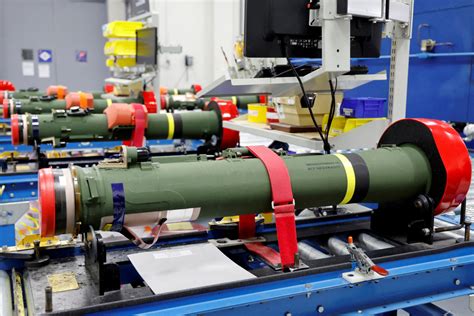
Even when political leadership pushes for increased output, reality intervenes. For instance, production of Patriot interceptors is measured in hundreds per year, while consumption in a major conflict can reach similar numbers in a matter of weeks.
The Big Five: Dominance and Limitations
The U.S. defense industry is heavily concentrated among five major companies: Lockheed Martin, RTX, Northrop Grumman, General Dynamics, and Boeing. These firms dominate contracts, innovation, and production.
While their expertise is unmatched, this concentration creates vulnerabilities. A monopsony-like market, where the government is the primary buyer, limits competition and flexibility. Expanding production is not as simple as adding new factories—it requires years of investment, skilled labor, and regulatory approvals.
This structure, efficient in peacetime, becomes a constraint in wartime when speed and scalability are critical.
Political Pressure and the $200 Billion Question
In response to growing concerns, the Pentagon is reportedly seeking an additional $200 billion in funding for the Iran conflict. The goal is clear: accelerate production, replenish stockpiles, and sustain operations without compromising other defense priorities.
However, funding alone cannot solve everything. Even with unlimited budgets, physical production limits remain. Factories cannot be built overnight, and skilled labor cannot be instantly expanded.
This creates a tension between strategic urgency and industrial reality, one that policymakers must navigate carefully.
Rebuilding the “Arsenal of Freedom”
Recognizing these challenges, the U.S. has begun taking steps to strengthen its defense industrial base. Initiatives such as the Munitions Acceleration Council aim to prioritize the production of critical weapons systems.
There are also plans to significantly increase defense spending in the coming years, with projections approaching $1 trillion annually. The ambition is to place the industrial base on a “wartime footing”, capable of sustaining prolonged conflicts.
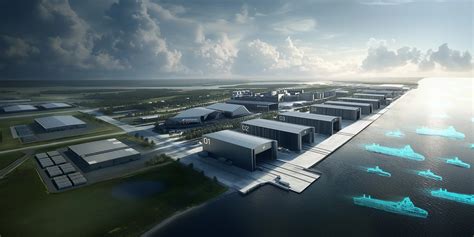
Yet even these efforts face a fundamental constraint: time. Expanding production capacity, securing supply chains, and stabilizing the workforce are processes measured in years, not months.
The Strategic Reality: Power With Limits
So, does America have enough weapons to fight Iran? The answer is both yes and no, depending on how the question is framed.
In the short term, the United States possesses overwhelming power to dominate the battlefield. Its technology, training, and global reach remain unmatched. But in a prolonged, high-intensity conflict, the limitations become increasingly apparent.
The five-day pause is a signal—not of weakness, but of strategic awareness. It reflects an understanding that modern warfare is as much about sustainability and industrial capacity as it is about firepower.
Conclusion: A War Measured in Endurance
The unfolding situation highlights a critical shift in how wars are fought and sustained. Victory is no longer determined solely by battlefield success, but by the ability to maintain momentum over time without exhausting resources.
The United States remains a military superpower, but even superpowers must contend with finite inventories, economic constraints, and industrial realities. The Iran conflict serves as a stark reminder that in the 21st century, endurance—not just power—defines strategic success.
And if there’s one takeaway that cuts through all the noise, it’s this: wars today are won as much in factories and supply chains as they are on the battlefield.