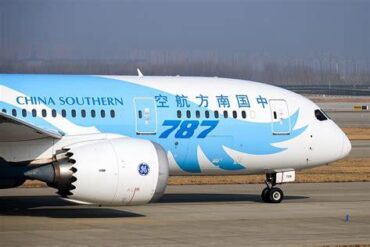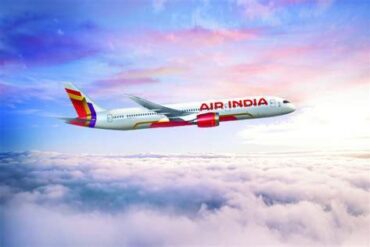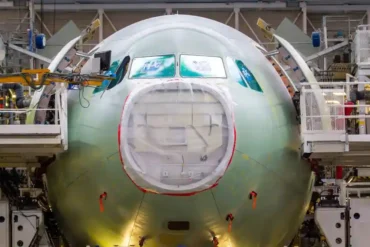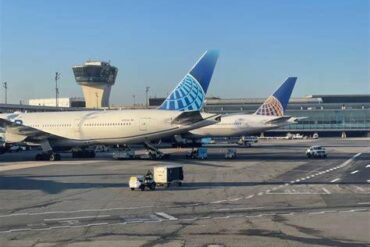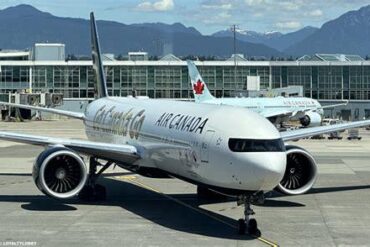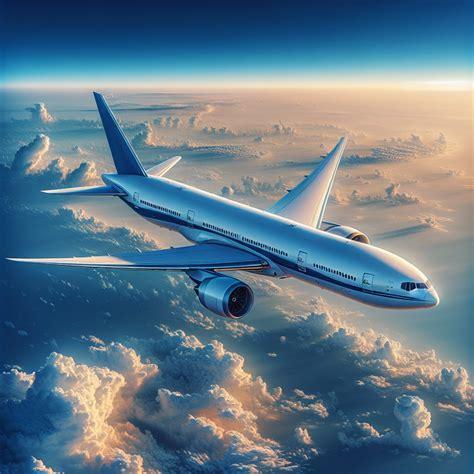
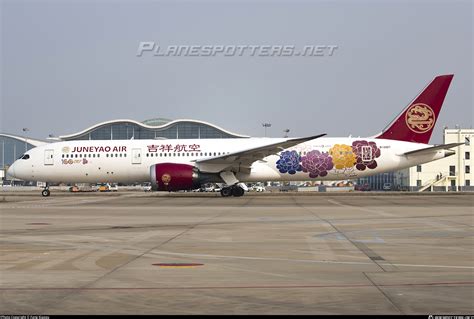
Boeing has resumed deliveries of its 787 Dreamliner to China, marking a pivotal moment in the easing of trade tensions between the world’s two largest economies. On June 14, Juneyao Airlines took delivery of a brand-new Boeing 787-9, the first such delivery to a Chinese carrier after a prolonged pause caused by escalating geopolitical friction. This transaction, occurring just two days after the Air India Flight 171 tragedy, places the spotlight back on Boeing—not only as a symbol of U.S. manufacturing strength but also as a company navigating through turbulence both economic and reputational.
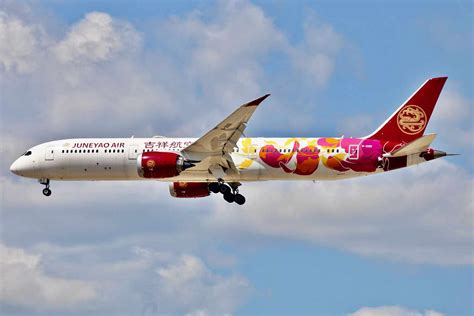
The Dreamliner delivered, bearing registration 693885, reflects more than a commercial exchange. It embodies a moment of reconciliation and cautious optimism. For Boeing, which has endured a litany of production halts, regulatory scrutiny, and reputation damage over the past five years, the Chinese market represents a crucial lifeline. As the largest exporter in the United States, Boeing relies on Chinese demand to bolster its long-term production schedules and sustain shareholder confidence. For China, receiving the aircraft hints at a strategic softening in trade posture, driven not only by market needs but perhaps also by diplomatic signaling.
Boeing and China: A Relationship Under Pressure
The relationship between Boeing and China has been complex, layered with geopolitical sensitivity, trade wars, and aviation politics. Following the Trump-era tariffs and the U.S.’s tougher stance on Chinese technology investments, Boeing found itself squeezed between policy and profit. Chinese regulators, notably the Civil Aviation Administration of China (CAAC), had paused deliveries of Boeing jets including the 737 MAX and 787 due to both safety concerns and broader diplomatic impasses.
But this new delivery signals a departure from that trend. Speaking at the Bernstein Conference, Boeing CEO Kelly Ortberg confirmed that China had shown willingness to resume accepting deliveries. Ortberg remarked that duties applied would be “the same as those for deliveries to U.S. airlines,” suggesting that tariffs, though politically charged, would not obstruct the resumption of commercial operations. His downplaying of economic barriers indicates that Boeing views the restrictions as transitory hurdles, rather than systemic roadblocks.

The Importance of the 787 Program in Boeing’s Strategy
The Boeing 787 Dreamliner, introduced in 2011, remains a flagship long-haul widebody jet for global airlines. Designed for fuel efficiency, passenger comfort, and extended range, the aircraft has become a preferred choice for long-haul routes, especially in the Asia-Pacific region.
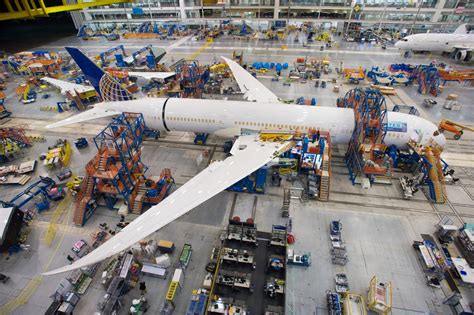
However, the Dreamliner has not been without issues. Boeing has faced production flaws, including quality control lapses and component misalignment. Regulatory scrutiny, particularly from the FAA, has slowed deliveries over the past three years. Yet with this delivery to Juneyao Airlines, Boeing is attempting to reassert the credibility of its widebody offerings and regain lost ground in international markets.
The timing, however, is delicate. The crash of Air India Flight 171, involving another Dreamliner variant, has reignited scrutiny over Boeing’s engineering and corporate safety culture. The juxtaposition of this tragedy with the new delivery to China underscores the tightrope Boeing walks between growth and accountability.
A Boost to Boeing’s Tumultuous Year
For Boeing, the resumption of deliveries to China couldn’t come at a more crucial moment. The company has faced an intense year, marked by safety-related scandals, including the infamous door plug blowout incident, which led the FAA to cap the monthly production of the 737 MAX at 38 units. Ortberg has since revealed ambitious plans to lift that cap to 42 by mid-year and possibly 47 by year-end.
These production goals are part of a broader effort to stabilize the supply chain, improve labor relations, and revitalize investor confidence. Since April, Boeing shares have rebounded over 40%, even as they dipped 8% last week following the Air India crash. Wall Street views China’s acceptance of the 787 as a strategic win, potentially laying the groundwork for future orders from the Chinese aviation sector, which is forecasted to need more than 8,000 new aircraft by 2042.
The Political and Economic Dimensions
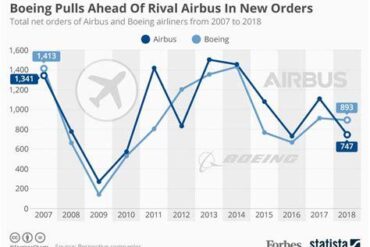
This delivery is not just a commercial victory but a political one. Boeing is America’s industrial ambassador, and each aircraft it delivers carries economic, symbolic, and geopolitical weight. In recent years, Airbus has aggressively pursued the Chinese market, even opening a final assembly line in Tianjin. By re-entering the Chinese supply chain, Boeing can counter Airbus’s growing influence and reinforce the United States’ relevance in Asia’s aviation growth story.
Moreover, this move coincides with broader trade developments between the U.S. and China, including renewed talks on semiconductor supply chains, tariff realignment, and climate cooperation. In that context, aviation serves as both a barometer and bridge—signaling warming ties and facilitating the people-to-people connections that underpin global diplomacy.
What’s at Stake for China?
For China, the decision to accept Boeing deliveries reflects both strategic necessity and economic pragmatism. Chinese carriers such as China Southern, Hainan Airlines, and Juneyao Airlines are experiencing a robust recovery in domestic and regional travel demand. To meet that demand, especially for international routes, they need modern, fuel-efficient jets like the 787.
At the same time, China is ramping up efforts to promote its homegrown aviation industry, particularly the COMAC C919. Yet the C919 is still in early operational phases, limited in scope and unproven in long-haul capacities. Until Chinese manufacturers can match Boeing’s global supply capabilities, foreign aircraft remain indispensable.
There’s also a diplomatic element. Accepting U.S. aircraft can be interpreted as a conciliatory gesture, potentially improving China’s standing in upcoming trade negotiations and lowering the temperature of political disputes. It also allows Chinese airlines to diversify their fleets, maintain schedule reliability, and signal to the global aviation community that China remains open for business.
Boeing’s Path Forward: Risk and Resilience
Despite this promising milestone, Boeing remains in a fragile state of recovery. Rebuilding its image in the wake of multiple aviation disasters, quality control scandals, and federal investigations is a multi-year endeavor. The pressure on Ortberg and his executive team is immense. They must ensure that each delivery, including the one to Juneyao Airlines, is a model of engineering excellence, compliance, and customer satisfaction.
The company is also under pressure to certify the 737 MAX 7 and MAX 10, expand its maintenance support network, and improve aftermarket service reliability—areas where Airbus has gained competitive advantage. Furthermore, Boeing faces internal obstacles: parts shortages, union tensions, and technological bottlenecks all continue to weigh down its turnaround strategy.
Conclusion: A Delivery With Global Implications
The delivery of the Boeing 787-9 to Juneyao Airlines is more than a transaction. It is a strategic inflection point, revealing how intertwined the aviation industry is with global trade dynamics. It illustrates how commerce can forge pathways even when diplomacy falters. For Boeing, it offers a fragile but crucial lifeline to regain momentum, while for China, it reflects a calculated openness to reengaging with a critical supplier.
The aviation world will watch closely to see whether this marks the start of a broader thaw or just a singular diplomatic courtesy. Either way, the skies between Seattle and Shanghai, and between Washington and Beijing, feel just a little less turbulent today.